
Growth
27 Ways to Become the Best Version of Yourself in 2027

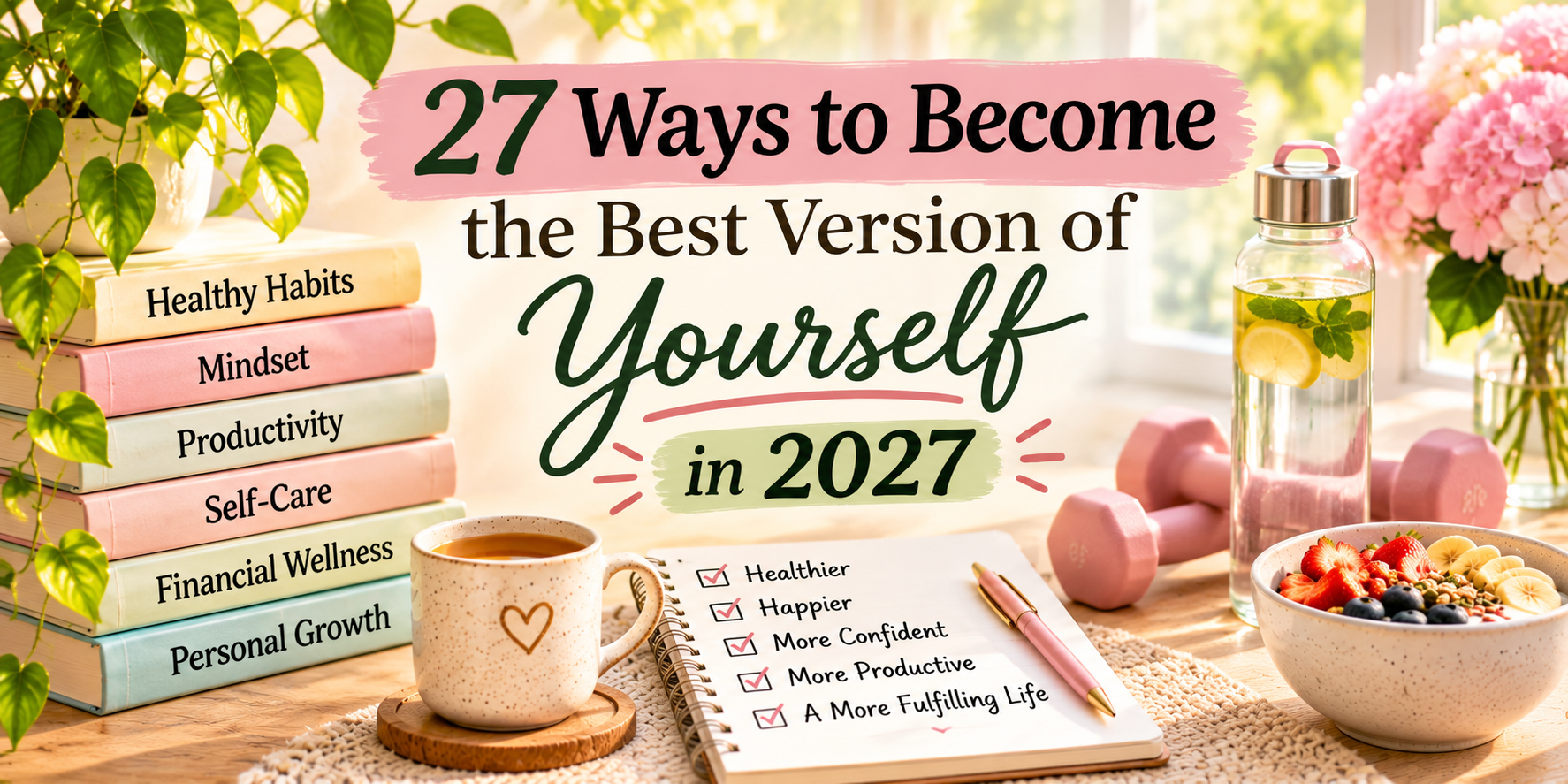
A new year often brings the urge to change everything. We make long lists of resolutions, promise ourselves that we will exercise regularly, read more books, become more productive, save money and finally make time for the things we keep postponing.
But becoming the best version of yourself does not mean becoming a completely different person. It means understanding who you are, recognising what needs to change and making small, intentional choices that help you grow.
As we step into 2027, I want to look beyond the usual New Year’s resolutions. Instead of setting unrealistic expectations, let’s focus on habits that support a healthier body, a calmer mind, stronger relationships, financial confidence and a more meaningful life.
Whether you want to improve yourself, build confidence, develop a positive mindset or simply feel more in control of your days, these 27 ways to become the best version of yourself in 2027 can help you get started.
You do not have to follow all 27 ideas at once. Choose the ones that matter most to you, begin with small steps and give yourself room to grow.
27 Ways to Become the Best Version of Yourself in 2027
1. Get to Know Yourself Better
Personal growth begins with self-awareness. Before deciding what you want to change, take some time to understand where you are right now. Think about what makes you happy, what drains your energy, what you value and what you want more of in your life.
Ask yourself a few honest questions: Am I happy with the way I spend my time? Which habits are helping me? What am I avoiding? What would I change if I were not worried about other people’s opinions?
You can use a life self-assessment checklist to reflect on different areas of your life, including health, relationships, career, finances and personal development.
2. Practise Self-Love Without Waiting for Approval
How often do you wait for someone else to appreciate you before feeling good about yourself? Self-love means recognising your worth even when nobody is praising you.
Wear the clothes you love, celebrate your small achievements, take care of your body and stop speaking to yourself in ways you would never speak to someone you care about. Accept that you can be a work in progress and still deserve kindness.
Self-love is not about believing you are perfect. It is about treating yourself with respect while you continue to learn and improve.
3. Build a Strong and Healthy Body
Your physical health influences your energy, mood, confidence and ability to enjoy everyday life. Make movement a regular part of your routine in a way that suits your fitness level and lifestyle.
You could combine strength training, walking, yoga, cycling, swimming or any activity you genuinely enjoy. Focus on building strength, improving mobility and developing stamina rather than chasing a particular appearance.
Start with realistic goals. If you are new to exercise, short sessions are a good beginning. Gradually increase your activity and allow your body enough time to recover.
4. Make Your Mental Health a Priority
We often pay attention to our physical health but ignore the thoughts and emotions that affect our everyday lives. Make 2027 the year you take your mental well-being seriously.
Learn to recognise stress, take breaks before you feel overwhelmed and make time for activities that help you feel grounded. Meditation, journaling, spending time outdoors and talking to someone you trust can all become part of a supportive routine.
If anxiety, low mood or emotional distress is affecting your daily life, consider seeking help from a qualified mental health professional. You do not have to manage everything on your own.
Explore more ideas in Lifegram’s Mindful Living Guide.
5. Create a Morning Routine That Works for You
A good morning routine does not have to begin at 5 AM. It should help you start your day with intention instead of immediately reacting to notifications, emails and other people’s demands.
Try waking up at a consistent time, drinking water, getting some natural light, stretching, meditating or writing down your priorities. Even 15 to 20 minutes of quiet time can make your morning feel less rushed.
Experiment with a few habits and keep the ones that genuinely improve your day. The best morning routine is one you can maintain.
6. Learn to Say No and Set Healthy Boundaries
You cannot give your time and energy to everyone and everything. Sometimes, becoming a better version of yourself means learning to say no without feeling guilty.
Set boundaries around your work hours, personal time, relationships and digital availability. You do not have to attend every event, accept every request or explain every decision.
Healthy boundaries are not about pushing people away. They help you protect your well-being and create relationships based on mutual respect.
7. Read More Books and Keep Learning
Reading is one of the simplest ways to expand your perspective. Books introduce you to new ideas, different cultures, unfamiliar experiences and ways of thinking that can challenge what you already believe.
Make a realistic reading goal for 2027. It could be one book every month, ten pages every evening or listening to an audiobook during your commute.
Explore Lifegram’s list of 100 best books to read in your lifetime and discover something beyond your usual genre. You can also find more recommendations in our collection of best self-help books.
8. Learn a Skill That Makes You More Independent
Personal development is not limited to reading motivational quotes or following a routine. Learning practical skills can make you more confident and independent.
Think about something you have wanted to learn for a long time. It could be cooking, swimming, managing money, public speaking, photography, a new language, coding or a creative skill.
Choose one skill and give it consistent attention. You do not need to become an expert in a month. The goal is to keep expanding what you can do.
9. Take Care of Your Finances
Financial well-being is an important part of a balanced life. When you understand where your money goes, you can make more intentional decisions and reduce some of the stress that comes from financial uncertainty.
Start by tracking your monthly income and expenses. Review subscriptions, plan your savings, pay attention to debt and learn the basics of investing. If possible, work towards building an emergency fund that suits your circumstances.
Set financial goals that are realistic for your income and responsibilities. If you need help getting started, read Lifegram’s money management tips for financial success.
10. Develop a Consistent Journaling Habit
Sometimes, the best way to understand your thoughts is to put them on paper. Journaling gives you a private space to reflect, process emotions, recognise patterns and record the little moments you might otherwise forget.
You do not need to write pages every day. Start with five minutes. Write about what went well, what challenged you, what you are grateful for and what you want to focus on tomorrow.
If you are new to journaling, begin with Lifegram’s complete guide to journaling. You can also try these morning journal prompts or explore how to start a gratitude journal.
If you enjoy guided reflection, take a look at the 365 Days of Self-Discovery journal prompts.
11. Spend Less Time Scrolling and More Time Living
Social media can be entertaining and useful, but endless scrolling can quietly take away time that you could spend on things that matter to you.
Notice how much time you spend on your phone and which apps consume most of it. Turn off unnecessary notifications, avoid checking your phone immediately after waking up and create screen-free periods during meals or before bedtime.
Use that time to read, exercise, cook, meet a friend, pursue a hobby or simply sit without needing constant stimulation.
12. Stop Comparing Your Journey With Others
It is easy to look at someone’s career, body, home, relationship or travel photographs and feel that you are falling behind. But you are comparing your everyday reality with a small, carefully selected part of someone else’s life.
Everyone has a different starting point, responsibilities, opportunities and challenges. Instead of measuring your progress against someone else’s milestones, compare yourself with who you were last year.
Celebrate your own progress, even when it looks different from what you imagined.
13. Make Time for People Who Matter
Success feels incomplete when you have nobody to share your experiences with. Make a conscious effort to nurture relationships with family, friends and people who make you feel valued.
Call someone you have not spoken to in a while. Plan a meal together. Listen without constantly checking your phone. Remember important dates and show appreciation through small gestures.
Strong relationships need time and attention. Do not wait for a special occasion to connect with the people you love.
14. Practise Active Listening
Good communication is not only about expressing your thoughts. It is also about giving others the space to express theirs.
When someone is speaking, try not to interrupt, prepare your response too quickly or turn every conversation towards your own experience. Ask thoughtful questions and listen to understand rather than simply waiting for your turn to talk.
Being a better listener can strengthen friendships, improve relationships and help you understand people more deeply.
15. Let Go of What You Cannot Control
Not everything will happen according to your plans. People may disappoint you, opportunities may not work out and situations may change without warning.
Instead of spending all your energy trying to control what is outside your influence, focus on what you can do next. You can control your effort, your choices, your response and the boundaries you set.
Letting go does not mean pretending that something did not hurt. It means giving yourself permission to move forward without allowing the past to define every decision you make.
16. Become More Compassionate and Helpful
Personal growth should not make us so focused on our own achievements that we forget the people around us. Compassion reminds us that everyone is dealing with something we may not know about.
Offer help when you can, volunteer for a cause you believe in, donate useful items, support a local initiative or simply be kind to someone who needs it.
You do not need to make grand gestures. Small acts of kindness can make a meaningful difference in someone’s day.
17. Make Time for Nature and Outdoor Experiences
Modern life can keep us indoors for most of the day. Make an effort to spend more time outside, whether that means walking in a park, gardening, hiking, visiting a lake or watching the sunrise.
Nature gives you an opportunity to slow down and step away from constant notifications and responsibilities. Even a short walk outdoors can become a refreshing part of your daily routine.
Try planning one outdoor activity every week. It does not have to be an elaborate trip. A quiet walk in a green space is a good place to begin.
18. Find a Hobby That Is Just for You
Not everything you do needs to be productive, profitable or connected to your career. Hobbies give you a chance to enjoy the process of doing something simply because it makes you happy.
Try painting, gardening, dancing, baking, photography, pottery, music or learning a new sport. If you do not know what you enjoy, experiment with different activities until something feels right.
Give yourself permission to be a beginner. You do not have to turn every interest into a side hustle.
19. Improve Your Sleep Routine
Sleep is an essential part of physical and mental well-being. When you regularly compromise on sleep, it can affect your concentration, mood, energy and ability to manage stress.
Try maintaining a consistent bedtime, creating a relaxing evening routine and reducing stimulating activities before sleep. Keep your bedroom comfortable and avoid making late-night scrolling a regular habit.
If sleep difficulties continue or affect your daily functioning, speak with a healthcare professional rather than relying only on lifestyle changes.
20. Build Better Eating Habits
Eating well does not mean following a restrictive diet or giving up every food you enjoy. It means creating a balanced pattern of eating that supports your energy, health and lifestyle.
Include a variety of vegetables, fruits, whole grains, protein sources and healthy fats in your meals. Pay attention to hunger and fullness, stay adequately hydrated and plan meals when a busy schedule makes it difficult to eat regularly.
Aim for consistency rather than perfection. If you have specific nutritional needs or a medical condition, seek advice from a qualified nutrition professional.
21. Make Travel and New Experiences a Priority
Travel can introduce you to new places, cultures, people and ways of living. It can also help you become more adaptable, independent and open-minded.
You do not need an expensive international holiday to experience something new. Explore a nearby town, take a solo day trip, visit a museum, try a local food trail or spend a weekend in nature.
Make room for experiences that help you step outside your usual routine. Sometimes, a change of surroundings gives you a fresh perspective on your own life.
22. Create a Clear Vision for Your Future
It is easier to move towards something when you have an idea of what you want. Take time to imagine the kind of life you want to create in the next year and beyond.
Think about your health, relationships, career, finances, personal interests and the experiences you want to have. Write down a few meaningful goals and identify the small actions that can move you closer to them.
You can also create a Vision Board for 2027 to bring your goals and intentions together in one place. Remember that a vision board is a reminder of your direction, not a substitute for action.
23. Simplify Your Home, Calendar and Digital Space
A cluttered environment can make everyday tasks feel more overwhelming. Simplifying your surroundings can help you create more space for the things that matter.
Start with one small area, such as your wardrobe, desk, kitchen shelf or phone gallery. Donate or recycle items you no longer need, organise important documents and remove digital clutter that distracts you.
You can also review your calendar. Stop filling every available hour and leave some room for rest, spontaneity and meaningful activities. Read more about decluttering your home to gain mental clarity.
24. Invest in Yourself and Your Personal Growth
One of the most valuable investments you can make is in your own growth. This could mean taking a course, attending a workshop, improving a professional skill, working with a mentor or learning something that makes you more confident.
Investing in yourself does not always require spending money. You can learn through books, free online resources, practice and conversations with people who have experience in an area that interests you.
Think about one area where you would like to grow in 2027 and take a practical step towards it. Explore these 15 powerful ways to invest in yourself for more ideas.
25. Practise Gratitude and Notice Small Wins
It is natural to focus on what is missing from our lives. But when we constantly look towards the next milestone, we can forget to appreciate what is already going well.
Make gratitude a simple daily practice. Write down three things you appreciate, acknowledge the people who support you and notice the small moments that bring you joy.
Gratitude does not mean ignoring difficult experiences or pretending everything is perfect. It simply helps you make space for the good alongside the challenges.
26. Take Small Steps Instead of Waiting for Motivation
Motivation can help you begin, but it does not always stay. That is why small, repeatable actions are often more useful than ambitious plans that are difficult to maintain.
If you want to read more, begin with five pages. If you want to exercise, start with a short session. If you want to save money, automate a manageable amount. If you want to journal, write a few lines.
Focus on making the habit easy enough to repeat. Over time, these small actions can create meaningful progress. Lifegram’s Kaizen guide to building better habits explores the idea of improving through small daily steps.
27. Give Yourself Permission to Start Again
There will be days when you lose focus, miss a workout, forget to journal, spend more than you planned or fall back into an old habit. That does not mean you have failed.
Personal growth is not a straight line. You will have good days, difficult days and days when all you can manage is the bare minimum. What matters is learning from the experience and returning to the habits that support you.
Do not wait for another Monday, another month or another January to begin again. You can make a fresh choice today.
How to Become the Best Version of Yourself in 2027: A Simple Action Plan
Reading about self-improvement is a good starting point, but change happens when you put an idea into practice. Instead of trying to adopt all 27 habits immediately, use this simple plan to build momentum.
- Choose three priorities: Select one habit for your physical health, one for your mental well-being and one for your personal or financial growth.
- Make each habit specific: Replace vague goals such as “be healthier” with an action such as “walk for 20 minutes after lunch three times a week.”
- Start small: Choose a version of the habit that feels manageable even on a busy day.
- Track your progress: Use a notebook, calendar or habit tracker to notice your consistency.
- Review every month: Reflect on what is working, what feels difficult and what needs to change.
- Celebrate progress: Acknowledge the small improvements instead of waiting for a major achievement.
If you enjoy structured planning, the Lifegram Daily Journal can help you organise your goals, reflect on your days and track habits throughout the year.
Frequently Asked Questions About Becoming the Best Version of Yourself
1. How can I become the best version of myself in 2027?
Start by understanding your priorities and choosing a few habits that support the life you want to create. Focus on your physical health, mental well-being, relationships, finances and personal development. Take small steps consistently instead of trying to change everything at once.
2. What are the best self-improvement habits to develop?
Some useful self-improvement habits include regular physical activity, reading, journaling, mindful reflection, learning new skills, managing money, maintaining healthy relationships and getting enough sleep. Choose habits that fit your circumstances and goals.
3. How do I improve myself every day?
Choose one small action each day that supports your goals. You could read a few pages, take a walk, practise a skill, prepare a balanced meal, write in your journal or spend quality time with someone you care about. Small actions become meaningful when you repeat them.
4. How do I stay consistent with personal growth goals?
Make your goals realistic, break them into manageable actions and track your progress. Build routines around existing parts of your day and avoid depending only on motivation. If you miss a day, begin again without treating it as a failure.
5. How can I become more confident and develop a positive mindset?
Build confidence by keeping small promises to yourself, recognising your strengths, learning from mistakes and gradually trying things outside your comfort zone. A positive mindset does not mean ignoring problems. It means developing the ability to approach challenges with perspective and self-belief.
6. What should I stop doing to become a better version of myself?
Consider reducing habits that consistently drain your time and energy, such as excessive scrolling, constant comparison, negative self-talk, overcommitting and postponing important tasks. Focus on replacing unhelpful patterns with healthier alternatives rather than expecting yourself to change overnight.
7. How long does it take to become the best version of yourself?
There is no fixed timeline for personal growth. Some changes may become noticeable within weeks, while others take months or years. The goal is not to reach a perfect final version of yourself but to keep learning, adapting and making choices that reflect your values.
8. Can I work on personal growth without spending money?
Absolutely. You can read books from a library, walk outdoors, practise journaling, learn from free educational resources, build healthy routines and strengthen relationships without spending much money. Personal growth is more about consistent effort than expensive programmes or products.
Make 2027 a Year of Meaningful Growth
Becoming the best version of yourself is not about creating a perfect life or meeting every expectation around you. It is about building a life that feels healthier, more meaningful and more aligned with what matters to you.
Some days you will make progress. On other days, you may need to slow down, rest or rethink your plans. Both are part of the process.
As you move through 2027, choose growth over comparison, consistency over perfection and meaningful experiences over unnecessary pressure. Keep learning, take care of your health, nurture your relationships and make time for the things that make you feel alive.
You do not need to become a completely different person this year. You only need to keep becoming a little more aware, confident and intentional with the life you already have.
Here’s to a healthier, happier and more fulfilling 2027!
Which of these 27 ideas would you like to work on first? Share your thoughts in the comments.













Hello there! Welcome to LIFEGRAM, a lifestyle blog about travel, growth, wellness, and all things worth writing!
-
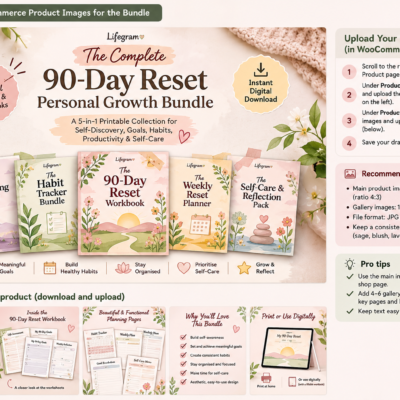 The Complete 90-Day Personal Growth Bundle | Printable Planners & Workbook
Original price was: $10.00.$5.00Current price is: $5.00.
-
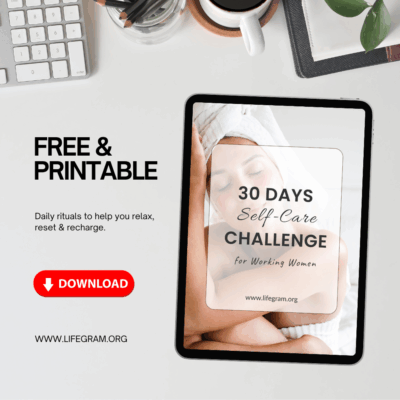 Download Your Free 30 Day Self Care Challenge PDF
Original price was: $20.00.$0.00Current price is: $0.00.
-
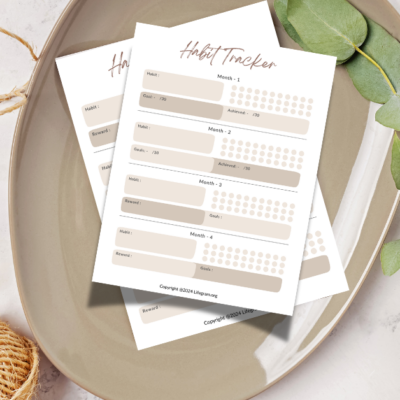 Create Any Habit with the Free Printable Habit Tracker
Original price was: $5.00.$0.00Current price is: $0.00.
-
 Daily Journal 2027: Your Year of Goals, Growth & Mindful Living
Original price was: $20.00.$1.99Current price is: $1.99.
-

 Journaling2 months ago
31 Best October Journal Prompts
-

 Journaling4 weeks ago
30 Best November Journal Prompts
-

 Journaling3 months ago
30 Best September Journal Prompts
-

 Lifestyle3 days ago
Vision Board 2027: Ideas, Examples & How to Create One for Your Dream Life
-
 Lifestyle1 day ago
27 Things to Do in 2027 to Create a Healthier, Happier and More Fulfilling Life