
Growth
Low-Pressure Goals for the New Year (When You Don’t Want Resolutions)


Tired of strict New Year resolutions? Learn how to set low-pressure goals for the new year that support mental health, habits, and sustainable growth.
Every January, we are encouraged to set big goals, strict resolutions, and ambitious plans. But what if you don’t feel ready for that kind of pressure?
If the idea of New Year resolutions feels overwhelming, exhausting, or unrealistic, you are not alone. This guide to low-pressure goals for the new year is for anyone who wants to grow gently, mindfully, and sustainably — without burnout.
Why Traditional New Year Resolutions Often Don’t Work
New Year resolutions usually fail because they are based on sudden motivation rather than realistic change. They often rely on discipline without considering emotional energy, mental health, or life circumstances.
- They are too rigid
- They rely on willpower alone
- They don’t adapt to real life
- They create guilt when you fall behind
This is why many people are now choosing intentional, low-pressure goals instead of strict resolutions.
What Are Low-Pressure Goals?
Low-pressure goals focus on direction rather than perfection. Instead of forcing yourself into drastic change, they encourage small, meaningful shifts that feel supportive rather than demanding.
Low-pressure goals are:
- Flexible and forgiving
- Based on values, not comparison
- Adaptable to changing energy levels
- Focused on consistency, not intensity
This approach aligns closely with mindful living and sustainable personal growth.
How to Set Low-Pressure Goals for the New Year
1. Focus on How You Want to Feel
Instead of asking, “What do I want to achieve?”, ask:
- How do I want to feel this year?
- More calm? More present? More balanced?
This mindset shift creates goals that support emotional well-being, not just productivity.
👉 Related guide: How to set SMART goals for yourself
2. Choose Fewer Goals (One Is Enough)
You don’t need a long list. One or two meaningful focus areas are enough for an entire year.
Examples:
- Move your body regularly
- Build a consistent journaling habit
- Eat more mindfully
- Protect your mental energy
👉 Explore 12 Meaningful habits to adopt in 2026
3. Break Goals Into Gentle Daily or Weekly Actions
Instead of setting big outcomes, focus on small actions you can repeat.
- 5 minutes of journaling
- A short walk or stretch
- One balanced meal
- One intentional pause in your day
Consistency matters more than scale.
Examples of Low-Pressure Goals for January
- Write a few lines in your journal most days
- Create a simple morning or evening routine
- Focus on one nourishing habit this month
- Reduce mental clutter instead of adding more goals
If you’re unsure where to begin, guided tools can help you stay consistent without overwhelm.
👉 Try the Free Printable Habit Tracker to build gentle, repeatable habits.
Why Low-Pressure Goals Are Better for Mental Health
Low-pressure goals reduce anxiety, self-criticism, and burnout. They encourage self-trust and adaptability – both essential for long-term well-being.
According to guidance from Harvard Health Publishing, sustainable behavior change is more likely when goals are realistic, flexible, and aligned with emotional health.
This approach fits naturally with mindfulness and self-reflection practices.
Use Journaling to Support Low-Pressure Goals
Journaling helps you:
- Reflect without judgment
- Notice patterns and progress
- Reconnect with your intentions
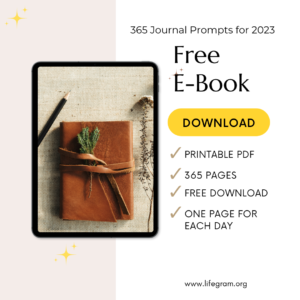
If you want a simple structure, the
Daily Journal (Printable) is designed to support gentle reflection and clarity – without pressure.
You may also enjoy reflective writing prompts from our journaling collection: January Journal Prompts
Frequently Asked Questions
Are low-pressure goals effective?
Yes. Low-pressure goals are more sustainable because they adapt to real life and reduce burnout, making consistency easier.
How many goals should I set for the new year?
One or two focus areas are enough. Depth and consistency matter more than quantity.
What if I fall off track?
Low-pressure goals allow you to restart without guilt. You simply return to your intention when you’re ready.
Is this approach suitable for productivity?
Yes. Many people find they are more productive when goals are realistic and aligned with their energy.
Final Thoughts: A Softer Way to Begin the Year
You don’t need a dramatic transformation this year. Growth can be quiet, gentle, and deeply meaningful.
Low-pressure goals permit you to move forward at your own pace – with clarity, compassion, and intention.
At Lifegram, we believe personal growth should support your life, not exhaust it.












Hello there! Welcome to LIFEGRAM, a lifestyle blog about travel, growth, wellness, and all things worth writing!
-
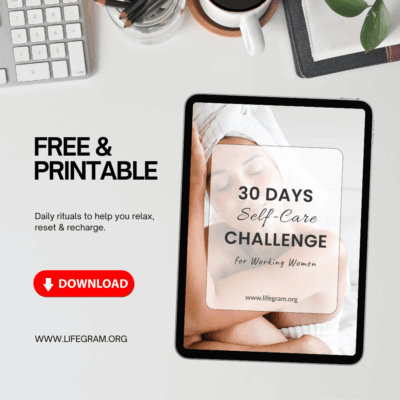 Download Your Free 30-Day Self-Care Challenge PDF
Original price was: $20.00.$0.00Current price is: $0.00.
Download Your Free 30-Day Self-Care Challenge PDF
Original price was: $20.00.$0.00Current price is: $0.00.
-
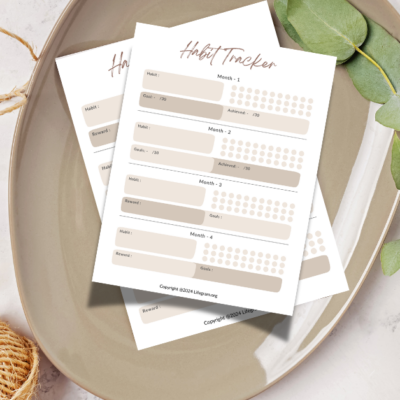 Create Any Habit with the Free Printable Habit Tracker
Original price was: $5.00.$0.00Current price is: $0.00.
Create Any Habit with the Free Printable Habit Tracker
Original price was: $5.00.$0.00Current price is: $0.00.
-
 Start Journaling: Download Your Daily Journal for 2026
Original price was: $20.00.$1.99Current price is: $1.99.
Start Journaling: Download Your Daily Journal for 2026
Original price was: $20.00.$1.99Current price is: $1.99.
-
 Organize Your Week: Download Weekly Planner Now!
Original price was: $5.00.$0.00Current price is: $0.00.
Organize Your Week: Download Weekly Planner Now!
Original price was: $5.00.$0.00Current price is: $0.00.