The Complete Guide to Journaling: How to Start a Journal, What to Write & Build a Daily Habit
Your complete guide to journaling: learn how to start a journal, what to write, use journal prompts, and build a simple daily journaling habit.
You bought the notebook. You have the pen. You even decided that this is finally the year you’re going to journal consistently.
Then you open the first blank page and have absolutely no idea what to write.
So you stare at the page for a few minutes, write the date, maybe add “Today I feel…”, and suddenly your mind goes completely blank.
Sound familiar?
If you’ve ever wanted to start journaling but felt intimidated by the blank page, you’re not alone. One of the biggest misconceptions about journaling is that you need to be naturally good at writing, deeply introspective, creative, or incredibly disciplined to make it work.
You don’t.
Journaling doesn’t require beautiful handwriting, elaborate layouts, expensive notebooks, or pages of profound thoughts. At its heart, journal writing is simply a way to slow down, put your thoughts into words, and create a little space to understand yourself better.
My Journey With Journaling
My relationship with journaling didn’t begin with a perfectly organized notebook or an elaborate morning routine.
It started much more simply.
There were times when my mind felt crowded with thoughts, unfinished tasks, worries, ideas, plans, and questions. I would think about something repeatedly without actually reaching any clarity. Sometimes I didn’t even know exactly what was bothering me. I just knew that my mind felt busy.
Writing became a way to slow that noise down.
At first, I thought journaling meant sitting down and writing pages about my day. I quickly realized that wasn’t necessary. Some days I wrote several pages. Other days, I wrote just three lines. Sometimes I answered a question. Sometimes I wrote a gratitude list. And sometimes I simply emptied whatever was going around in my head onto the page.
Over time, journaling became less about writing well and more about paying attention to my own thoughts, emotions, habits, and experiences.
That shift made all the difference.
I also started experimenting with different forms of journaling. Morning journaling helped me think about how I wanted to approach the day, while evening journaling gave me a chance to slow down and reflect. Gratitude journaling helped me notice small moments I might otherwise overlook, while free writing became useful when I simply needed to get thoughts out of my head.
I’ve also used journaling during stressful periods. In fact, I wrote separately about how I use journaling to reduce stress, including some of the simple prompts and routines that became part of my own practice.
And when I want a little more structure in the morning, I turn to these morning journal prompts to help me reflect, set intentions, and begin the day with more clarity.
Journaling Doesn’t Have to Look a Certain Way
One reason people struggle to build a journaling habit is that they have a picture in their head of what a “real journal” should look like.
Maybe it looks like a beautiful bullet journal filled with perfect handwriting, colourful stickers, carefully drawn trackers, and inspirational quotes.
There is absolutely nothing wrong with that if you enjoy it.
But it isn’t a requirement.
Your journal can be messy.
It can contain spelling mistakes, unfinished sentences, random thoughts, questions, lists, complaints, dreams, goals, gratitude, observations, or even a single sentence.
You don’t have to make your journal Instagram-worthy.
You just have to make it honest enough to be useful to you.
Your journal doesn’t need to impress anyone. It needs to give you a place to be honest with yourself.
That is one of the biggest lessons I’ve learned from journaling.
What Makes Journaling So Valuable?
Think of your mind as a room that you keep filling throughout the day.
Work deadlines go in. Conversations go in. Ideas go in. Worries go in. Things you need to remember go in. Small disappointments go in. Exciting plans go in.
Eventually, the room can start to feel crowded.
Journaling gives you a place to put some of those thoughts down.
When you write, you can begin to notice patterns that are difficult to see when everything stays inside your head. You may discover what is actually stressing you, what keeps distracting you, what you genuinely want, what you need to let go of, or what has been making you happier than you realized.
For me, that is where the real value of journaling lies.
It isn’t about filling pages.
It is about creating a moment of self-reflection.
Journaling Is More Than Writing About Your Day
When people hear the word journaling, they often imagine writing something like:
“Dear Diary, today I went to work, had lunch, came home, watched TV, and went to bed.”
And while you can absolutely write about your day, journaling can be so much more than a daily recap.
You can use a journal to:
- Reflect on your thoughts and emotions
- Process a difficult day
- Explore your goals and priorities
- Practice gratitude
- Understand your habits
- Plan your day
- Celebrate small wins
- Work through overthinking
- Record meaningful memories
- Explore your values and beliefs
- Reflect on relationships
- Track personal growth
- Capture creative ideas
- Prepare for a new chapter of life
For example, you could spend five minutes answering a question such as “What do I need more of in my life right now?”
Or you could write down three things you’re grateful for.
You could make a list of everything currently occupying your mind.
You could write about something that happened today and how it made you feel.
Or you could simply write:
“I don’t know what to write today, but I know my mind feels busy.”
And then see where that sentence takes you.
The Blank Page Is Not the Problem
Here’s something I wish I had understood when I first started:
You don’t need to know what you’re going to write before you start writing.
Sometimes the first sentence is simply a doorway.
Once you write it, another thought appears. Then another. Before you know it, you’ve written half a page about something you didn’t even realize was on your mind.
This is also why gratitude journaling can be such an easy place for beginners to start. Instead of facing a completely blank page, you have a simple direction: notice and write down the things you appreciate.
And if you need more guidance, journal prompts can remove much of the pressure of figuring out what to write. I’ve created 50 morning journal prompts for exactly this reason, covering areas such as clarity, productivity, self-love, habits, mindset, and personal growth.
You Don’t Need to Journal for an Hour
Another common reason people struggle with journaling is that they make the habit too difficult from the beginning.
They decide they will journal for 30 minutes every morning, write three pages every night, or complete a complicated journaling routine every single day.
Then life happens.
You wake up late.
You have a busy morning.
You travel.
You don’t feel motivated.
And suddenly the journal sits untouched for two weeks.
I’ve learned that consistency becomes much easier when the habit is small enough to fit into real life.
Sometimes five minutes is enough.
Sometimes one page is enough.
Sometimes three honest sentences are enough.
The goal isn’t to create a perfect journaling streak. The goal is to create a practice you can realistically return to.
What This Journaling Guide Will Help You Do
If you’re completely new to journaling, this guide is designed to take you from “I have no idea what to write” to having a simple journaling practice that feels natural and sustainable.
We’ll explore:
- What journaling actually is and why it can be useful
- The potential benefits of keeping a journal
- How to start journaling as a complete beginner
- What to write in a journal when you have nothing to say
- Different types of journaling and how to choose one
- Morning and evening journaling ideas
- How journaling can support stress management and self-reflection
- How to use journaling for personal growth and goal setting
- Journal prompts for different stages and situations in life
- How to turn journaling into a daily habit
- Common journaling mistakes beginners make
- A simple 30-day journaling challenge to help you get started
You don’t have to follow every method in this guide.
Think of it as a menu rather than a rulebook.
Try different approaches. Keep the ones that feel useful. Ignore the ones that don’t. Your journaling practice should eventually become something that fits your personality, your schedule, and your life.
Start With One Page
If you’re reading this with a brand-new notebook sitting beside you, don’t wait for the perfect moment.
Open it.
Write today’s date.
And answer this one question:
What is on my mind right now?
Don’t worry about grammar. Don’t worry about making it interesting. Don’t worry about filling the entire page.
Just start.
Because the hardest part of journaling isn’t writing.
It’s giving yourself permission to begin without knowing exactly where the words will take you.
Why Journal? Understanding the Benefits of Journaling
So, why should you spend time writing in a journal when life is already busy?
It is a fair question.
At first glance, journaling can look like one more habit to add to an already crowded day. But the value of journaling isn’t really about the number of pages you fill. It is about creating a small pause in your day where you can step back, slow down, and pay attention to what is happening inside your mind.
For me, that pause has become one of the most valuable parts of the practice.
When you regularly put your thoughts into words, you may begin to notice patterns in the way you think, feel, react, and make decisions. A journal can become a private space where you can be completely honest without worrying about how your thoughts sound to someone else.
And that is where many of the benefits of journaling begin.
1. Journaling Creates Space for Self-Reflection
Most of us spend our days moving from one thing to another.
We answer messages, attend meetings, complete tasks, take care of responsibilities, scroll through social media, make plans, and think about everything we need to do next.
There isn’t always much time left to ask ourselves a simple question:
How am I actually doing?
Journaling creates a space for that question.
Writing about your experiences can help you slow down enough to examine your thoughts, emotions, choices, and priorities. Instead of simply moving through the day, you get an opportunity to reflect on it.
You might begin to notice questions such as:
- What has been making me feel energized lately?
- What has been draining my energy?
- What am I avoiding?
- What do I actually want right now?
- What keeps coming up in my thoughts?
- What is working well in my life?
- What would I like to change?
This kind of self-reflection through journaling can be especially useful when you feel stuck or uncertain because writing gives your thoughts somewhere to go.
If you’re interested in going deeper with self-reflection, you can also use the Life Self-Assessment Checklist as a companion exercise. It can help you step back and look at different areas of your life more intentionally.
2. Journaling Can Help Clear a Busy Mind
Have you ever gone to bed physically tired but mentally wide awake?
Your body wants to rest, but your mind is replaying a conversation, remembering tomorrow’s tasks, worrying about something that happened earlier, and suddenly thinking about something completely unrelated.
This is one situation where writing can be surprisingly helpful.
Instead of trying to hold every thought in your head, you can write it down.
You don’t have to solve every problem while journaling. Sometimes simply putting your thoughts on paper makes them feel more organized and easier to examine.
A simple brain dump journal can be enough:
- Write down everything currently occupying your mind.
- Don’t organize or edit your thoughts.
- Keep writing until you feel like you’ve emptied your mental to-do list.
- Look back and identify what actually needs your attention.
This is one reason journaling can work well alongside a mindful lifestyle. Rather than automatically reacting to every thought, you create a little distance between the thought and your response.
If creating more mental space is something you’re working on, you may also enjoy these 7 rules for gaining mental clarity.
3. Journaling May Support Stress Management
Journaling isn’t a replacement for professional mental health support, and it shouldn’t be treated as a cure for stress or emotional difficulties.
However, writing can be a useful self-care practice when you’re dealing with everyday stress and want a private way to process what you’re experiencing.
Sometimes stress becomes harder to understand because several small things are happening at once. Writing can help you separate those thoughts and identify what is actually bothering you.
For example, instead of thinking:
“Everything is overwhelming.”
You might write:
“I’m feeling overwhelmed because I have three unfinished tasks, I haven’t had time to rest, and I’m worried about tomorrow’s meeting.”
That is a very different starting point.
Once the thought becomes specific, you can decide what is within your control and what isn’t.
I have written more about my own experience with this in How I Use Journaling to Reduce Stress, including practical prompts that can help when your thoughts feel particularly busy.
4. Journaling Can Help You Understand Your Emotions
Sometimes we know that we’re upset, frustrated, anxious, disappointed, or tired without understanding exactly why.
Journaling gives you an opportunity to explore those feelings instead of immediately pushing them aside.
You might begin with a simple sentence:
“Right now, I feel…”
Then keep writing.
You may discover that the emotion you’re experiencing today is connected to something that happened earlier in the week, an unmet need, a difficult conversation, or even something you have been avoiding.
This doesn’t mean every journal entry needs to become a deep emotional investigation. Sometimes simply naming what you feel is enough.
There is no requirement to turn every difficult emotion into a lesson.
Sometimes you can simply acknowledge it and move on.
5. Journaling Encourages Mindfulness
Journaling and mindfulness naturally complement each other.
Mindfulness is about bringing attention to the present moment and observing your experience with greater awareness. Journaling gives you a practical place to record and explore that awareness.
For example, instead of automatically writing:
“Today was a bad day.”
A mindful journal entry might explore the experience more carefully:
“I noticed that I felt irritated during the afternoon. I had skipped lunch, spent several hours on my phone, and was rushing between tasks. I felt calmer after taking a short walk.”
The second entry contains an observation.
You are noticing what happened, how you felt, what may have influenced it, and what changed.
That is mindfulness in practice.
If you are new to mindfulness, you can start with the Complete Guide to Mindful Living, which includes simple everyday practices for becoming more present and intentional.
You can also explore these benefits of mindfulness meditation if you want to understand how mindfulness can fit into a broader self-care routine.
6. Journaling Can Help You Recognize Patterns
One journal entry gives you a snapshot.
Several months of journal entries can give you a pattern.
This is one of the reasons I find journaling so interesting.
You may repeatedly write about the same issue without realizing how often it appears. Perhaps you’re constantly saying you don’t have enough time, but your journal shows that you spend hours doing things that don’t actually matter to you.
Or perhaps you keep writing about feeling energized after spending time outdoors, connecting with friends, exercising, reading, or practicing yoga.
Your journal can become a record of those patterns.
Over time, you can look back and ask:
- What situations repeatedly affect my mood?
- What habits make me feel better?
- What consistently drains my energy?
- What do I keep postponing?
- What activities make me feel most like myself?
- What have I learned about myself?
This is where journaling moves beyond simply recording your day and becomes a tool for personal growth and self-awareness.
7. Journaling Can Support Personal Growth
Personal growth isn’t always about making dramatic changes.
Often, it starts with noticing.
When you regularly reflect on your actions, habits, thoughts, and goals, you create more opportunities to make intentional choices.
You might use your journal to reflect on questions such as:
- What kind of person do I want to become?
- What habits are helping me move forward?
- What habit would I like to change?
- What did I learn from a recent mistake?
- What am I proud of this week?
- What would I do differently next time?
This is why journaling can work beautifully alongside goal setting, habit building, and other personal growth practices.
Instead of only asking, “What do I want to achieve?”, you can also ask, “Who do I need to become to make that possible?”
8. Journaling Gives You a Record of Your Life
There is another benefit of journaling that doesn’t get discussed enough.
Your journal becomes a record of you.
Not just the major milestones, but the ordinary days too.
The book you couldn’t stop thinking about.
The walk that unexpectedly made you feel better.
The small goal you finally accomplished.
The trip you never wanted to forget.
The lesson you learned from a difficult experience.
The version of yourself who was trying to figure things out.
When you read old journal entries months or years later, you may notice something powerful: you have changed.
Sometimes we are so focused on where we want to go that we forget to notice how far we’ve already come.
What Does Science Say About Journaling?
Research on expressive writing has explored how putting thoughts and experiences into words may influence emotional and psychological well-being.
One influential area of research has focused on expressive writing, where people write about meaningful or difficult experiences. Studies have explored potential effects on areas such as emotional processing, stress, and well-being.
However, it is important to keep the evidence in perspective. Journaling is not a universal solution, and different people may respond differently to different forms of writing.
The value of journaling may also depend on how you use it. A reflective journal, gratitude journal, goal journal, and expressive writing practice can serve very different purposes.
For a research-based overview of expressive writing, you can explore the work published by the American Psychological Association and related psychological research.
The goal isn’t to journal because science says you “should.”
The goal is to find out whether writing helps you slow down, reflect, organize your thoughts, and understand your experiences more clearly.
Journaling and Mindful Living Work Well Together
Journaling doesn’t have to exist as a completely separate habit.
You can connect it with the practices you’re already trying to build.
If you practice mindfulness, your journal can help you reflect on what you noticed.
If you’re working on your habits, you can use your journal to track what is working.
If you’re trying to manage a busy schedule, you can use it to organize your thoughts and priorities.
If you’re working toward personal goals, you can use it to reflect on your progress.
If you’re practicing gratitude, you can record the small things that made your day better.
In other words, journaling can become the thread that connects several areas of personal growth.
That is one reason I don’t think of journaling as simply “writing in a notebook.”
I think of it as creating a regular conversation with yourself.
How Much Journaling Is Enough?
There is no universal amount of journaling that everyone needs to do.
You might journal for 20 minutes on a quiet Sunday morning.
You might write for five minutes before work.
You might write three sentences before bed.
Or you might only reach for your journal when something important is happening in your life.
All of these can be valid approaches.
The most useful journaling routine is usually the one you can actually maintain.
Don’t turn journaling into another productivity metric that makes you feel guilty when you miss a day.
The purpose of journaling is to create more awareness in your life, not another reason to judge yourself.
How to Start Journaling: A Simple Beginner’s Guide
Now that we’ve talked about why journaling can be valuable, let’s get to the question most beginners actually want answered:
How do you start journaling?
The good news is that you don’t need a complicated system.
You don’t need to buy an expensive journal, learn a special writing technique, or create a detailed morning routine before you begin.
You simply need something to write on, something to write with, and a few minutes to yourself.
The rest can develop naturally.
Step 1: Choose a Journal You Actually Want to Use
Let’s start with the notebook.
There is something strangely motivating about a fresh notebook. The clean pages make you feel like you’re about to become a completely organized and intentional version of yourself.
But don’t spend too much time searching for the “perfect” journal.
Choose something that feels comfortable and practical.
You can use:
- A simple notebook
- A lined journal
- A blank sketchbook
- A guided journal
- A digital journaling app
- A notes app on your phone
- A printable journal
The best journal is the one you will actually open.
If you’re someone who enjoys having a little structure, a guided journal can make getting started easier because you don’t have to face a completely blank page every day.
I’ve also created a Daily Journal with space for planning, reflection, habits, memories, and other everyday areas of life if you prefer a more structured approach.
Step 2: Decide What You Want Journaling to Do for You
Before creating a daily journaling routine, ask yourself one simple question:
Why do I want to journal?
Your answer can help determine the type of journaling that will work best for you.
Maybe you want to:
- Understand yourself better
- Reduce mental clutter
- Reflect on your day
- Manage everyday stress
- Practice gratitude
- Work toward personal goals
- Build better habits
- Become more mindful
- Capture memories
- Explore your creativity
There is no wrong answer.
And your reason can change over time.
You might start journaling for productivity and eventually discover that you enjoy using your journal more for self-reflection. Or you may begin with gratitude journaling and later experiment with goal setting or free writing.
Step 3: Start With Just Five Minutes
If you’re trying to build a daily journaling habit, start smaller than you think you need to.
Five minutes is enough.
You don’t need to write three pages every morning. You don’t need to fill an entire notebook every month. And you definitely don’t need to feel guilty if you miss a day.
Start with a habit that feels almost too easy to fail at.
For example:
- Write for five minutes after your morning coffee.
- Write three sentences before going to bed.
- Answer one journal prompt each morning.
- Write down three things you’re grateful for.
- Do a quick brain dump whenever your mind feels crowded.
Once the habit becomes familiar, you can naturally spend more time with it if you want to.
Step 4: Pick a Consistent Time
Journaling doesn’t have to happen at a particular time of day.
Some people love writing first thing in the morning. Others prefer journaling at night when the day’s distractions have settled down.
You can also journal during your lunch break, after exercise, while having your afternoon tea, or whenever you have a quiet moment.
The important thing is to connect journaling with something that already happens in your routine.
For example:
Coffee → Journal → Start the day
or
Brush teeth → Journal → Go to bed
This creates a simple habit cue and removes some of the decision-making involved in remembering to journal.
Step 5: Don’t Worry About Writing Well
This is important.
Your journal is not an essay.
You don’t need perfect grammar. You don’t need beautiful sentences. You don’t need to sound wise or philosophical.
Write the way you think.
Write fragments.
Make lists.
Repeat yourself.
Change your mind halfway through a sentence.
Write something that makes absolutely no sense to anyone else.
That’s okay.
The journal is for you.
What Should You Write in a Journal?
This is probably the second biggest question beginners have after “How do I start journaling?”
And there isn’t one correct answer.
You can write about anything that helps you reflect, understand, plan, process, remember, or express yourself.
Here are some ideas to get you started.
Write About Your Day
The simplest place to begin is by recording what happened.
But instead of only listing events, try adding your thoughts and observations.
For example:
“Today was busy, but the conversation I had with my friend in the afternoon stayed with me. I realized how much I enjoy conversations where I don’t have to pretend everything is fine.”
Now you’re not simply recording what happened. You’re reflecting on what it meant to you.
Write About How You Feel
Try starting with:
“Right now I feel…”
Then continue without judging the answer.
You don’t have to justify your emotions or immediately fix them.
Sometimes identifying an emotion is the first step toward understanding it.
Write a Brain Dump
When your mind feels overloaded, don’t try to organize your thoughts before writing them down.
Just write everything.
Your unfinished tasks.
Your worries.
The email you need to send.
The idea you don’t want to forget.
The conversation you keep replaying.
The book you want to read.
Anything taking up mental space can go onto the page.
Once everything is outside your head, you can decide what actually needs your attention.
Write About Your Goals
Your journal can also be a place to think through your goals.
Instead of simply writing:
“I want to exercise more.”
Try exploring the goal:
- Why is this important to me?
- What would make it easier?
- What usually gets in the way?
- What is one small step I can take today?
- How will I know that I’m making progress?
This turns journaling into a practical tool for goal setting and personal growth.
Write About What You’re Grateful For
Gratitude journaling is another beginner-friendly approach.
You can keep it incredibly simple.
Write down three things you’re grateful for today.
They don’t have to be extraordinary.
- A good cup of coffee
- A quiet morning
- A meaningful conversation
- A comfortable bed
- A walk outside
- A good book
If you’d like to explore this approach in more detail, read How to Start a Gratitude Journal for a simple way to create your own gratitude practice.
Write About Something You Learned
One of my favorite journal prompts is surprisingly simple:
“What did I learn today?”
The answer doesn’t have to be academic.
You might have learned something about another person, yourself, a habit, a relationship, or the way you react to a particular situation.
Over time, these small observations can become a record of your personal growth.
What If You Have Nothing to Write About?
This happens to everyone.
You sit down with your journal and think:
“Nothing happened today.”
That’s okay.
You don’t have to wait for an interesting event before you can journal.
Try writing about something you noticed.
What were you thinking about while making breakfast?
What emotion appeared repeatedly today?
What are you looking forward to?
What are you avoiding?
What made you smile?
What are you currently worried about?
What do you wish you had more time for?
And if nothing comes to mind, write exactly that:
“I don’t know what to write today.”
Then keep going.
Often, the act of writing is enough to unlock the next thought.
12 Types of Journaling You Can Try
Journaling doesn’t have to mean one specific thing. There are many different types of journaling, and you can experiment with several before deciding what works best for you.
1. Daily Journaling
Daily journaling involves writing regularly about your experiences, thoughts, feelings, plans, or observations.
This is probably the most flexible form of journaling because you can change what you write depending on what you need that day.
2. Morning Journaling
Morning journaling is done at the beginning of the day and can help you reflect on your priorities, intentions, thoughts, and goals before the day becomes busy.
If you’re looking for inspiration, explore these 50 morning journal prompts for ideas you can use in your own routine.
3. Evening Journaling
Evening journaling allows you to slow down and reflect on the day.
You might write about what went well, what was difficult, what you learned, what you’re grateful for, or what you want to approach differently tomorrow.
4. Gratitude Journaling
Gratitude journaling focuses on noticing and recording things you appreciate.
It can be as simple as writing three things you’re thankful for each day.
5. Reflective Journaling
Reflective journaling focuses on examining your experiences more deeply.
You might explore what happened, how you responded, what you learned, and what you would like to do differently next time.
6. Goal Journaling
Goal journaling combines reflection with planning. You can use it to define goals, break them into smaller actions, track progress, and reflect on what is working.
7. Habit Journaling
A habit journal helps you become more aware of behaviors you want to build, maintain, or change.
You can track habits such as reading, movement, meditation, hydration, sleep routines, or screen time.
8. Mindfulness Journaling
Mindfulness journaling focuses on observing your present experience without immediately judging it.
You might record what you noticed through your senses, how your body felt, what thoughts appeared, or what emotions were present.
This pairs naturally with the everyday practices in the Lifegram Complete Guide to Mindful Living.
9. Stress Journaling
Stress journaling gives you a private space to explore what’s contributing to everyday stress and what responses or habits seem to help.
For a more detailed look at this approach, read How I Use Journaling to Reduce Stress.
10. Narrative Journaling
Narrative journaling involves exploring your experiences by writing them as stories. Instead of simply listing what happened, you can examine the meaning you attach to an experience and how you see yourself within that story.
I’ve explored this approach in A Fresh Take on Journaling: How to Start Narrative Journaling.
11. Creative Journaling
Creative journaling combines writing with creative expression.
You might include drawings, sketches, mind maps, photographs, collages, quotes, lists, or anything else that helps you express an idea or experience.
There are no rules about what a creative journal has to look like.
12. Self-Discovery Journaling
Self-discovery journaling uses questions and prompts to help you explore your values, interests, beliefs, relationships, goals, fears, strengths, and aspirations.
This can be particularly useful when you’re going through a transition or simply want to understand yourself better.
Which Type of Journaling Should You Choose?
You don’t have to choose just one.
In fact, your journaling style can change depending on what is happening in your life.
On a calm morning, you might use a few gratitude prompts.
During a stressful week, you might prefer a brain dump.
At the end of a month, you might reflect on your goals and habits.
During a major life transition, you might use self-discovery or narrative journaling.
The best approach is the one that meets you where you are.
| Your Goal | Journaling Style to Try |
|---|---|
| Clear your mind | Brain dump journaling |
| Start your day intentionally | Morning journaling |
| Reflect on your day | Evening journaling |
| Notice the good in everyday life | Gratitude journaling |
| Understand your emotions | Reflective journaling |
| Work toward goals | Goal journaling |
| Build better habits | Habit journaling |
| Become more present | Mindfulness journaling |
| Process everyday stress | Stress journaling |
| Explore your experiences | Narrative journaling |
| Express yourself creatively | Creative journaling |
| Understand yourself better | Self-discovery journaling |
There Is No Perfect Way to Journal
This is probably the most important thing to remember as you begin.
You don’t need to copy someone else’s journaling routine.
You don’t need to write every morning.
You don’t need a particular notebook.
You don’t need to follow the same format every day.
And you don’t have to become a “perfect journaler.”
Your journal should adapt to your life rather than becoming another obligation you have to keep up with.
Some days you may write a page.
Some days you may write one sentence.
Some days you may skip it completely.
Then you can simply begin again.
Consistency isn’t about never missing a day. It’s about returning to the practice.
And once you stop worrying about doing journaling perfectly, the blank page becomes much less intimidating.
How to Use Journaling in Everyday Life
Now that you know how to start journaling and have explored the different types of journals you can keep, the next question is:
How can you actually make journaling part of your everyday life?
This is where journaling becomes more than an occasional activity.
You can use a journal differently depending on the time of day, your mood, your goals, or what is happening in your life.
Some days you may want to start your morning with a few intentional thoughts. Other days, you may need to empty your mind before going to sleep. When life feels stressful, your journal can become a place to sort through your thoughts. And when you’re working toward a personal goal, it can help you slow down and reflect on your progress.
There isn’t one perfect journaling routine.
The idea is to create a practice that supports the life you’re actually living.
Morning Journaling: Start Your Day With Intention
There is something different about writing in the morning.
Your day hasn’t completely taken over yet. Your inbox may still be quiet. Your phone might not have started demanding your attention. You have a few moments to think about yourself before you start responding to everyone else.
That makes morning journaling a wonderful way to begin the day.
But morning journaling doesn’t have to mean waking up at 5 AM and writing three pages before sunrise.
You can make it incredibly simple.
Give yourself five to ten minutes and answer one or two questions.
Morning Journal Prompts to Try
- How do I feel this morning?
- What is most important to me today?
- What would make today feel meaningful?
- What do I want to focus on today?
- What am I looking forward to?
- What might distract me today?
- What do I need to remind myself of today?
- How can I take better care of myself today?
- What is one small thing I can accomplish today?
- What intention do I want to carry throughout the day?
If you want more ideas, I’ve put together 50 Morning Journal Prompts to Start Your Day With Clarity and Intent. You can choose one prompt each morning instead of trying to answer a long list.
A Simple 5-Minute Morning Journaling Routine
If you’re new to morning journaling, try this simple structure:
- One minute: Write down how you’re feeling.
- Two minutes: Write about what is on your mind.
- One minute: Identify your most important priority.
- One minute: Write one intention for the day.
That’s it.
You don’t need a complicated routine for journaling to become useful.
Evening Journaling: Reflect Before You End the Day
If morning journaling helps you decide how you want to approach the day, evening journaling gives you a chance to look back at it.
It can become a gentle transition between a busy day and a quieter evening.
Instead of simply asking, “What did I do today?”, try asking:
- What went well today?
- What was difficult?
- How did I feel throughout the day?
- What did I learn?
- What am I grateful for?
- Was there a moment when I felt especially present?
- What would I like to do differently tomorrow?
- What can I let go of before going to sleep?
Evening journaling doesn’t need to become a detailed analysis of everything that happened.
Sometimes one good question is enough.
A Simple Evening Journal Template
If you don’t know what to write at night, try this four-part format:
- Today I felt…
- Something that went well was…
- Something I learned was…
- Tomorrow I want to…
This gives you space for reflection without turning journaling into another long task at the end of the day.
Journaling for Stress: When Your Mind Feels Overwhelmed
Some days, journaling isn’t about goals or gratitude.
Sometimes you simply need somewhere to put everything that’s happening in your head.
This is where journaling for stress can become particularly useful as a personal reflection practice.
When you’re stressed, your thoughts can feel tangled together. One worry leads to another, and suddenly you’re thinking about ten different things at once.
Writing can help you slow down and separate those thoughts.
Try This Stress Journaling Exercise
Take a blank page and divide it into three sections:
1. What Is Bothering Me?
Write everything that is currently causing tension, worry, frustration, or mental clutter.
2. What Is Within My Control?
Look through your list and identify the things you can actually influence.
3. What Is One Small Step I Can Take?
Choose one realistic action rather than trying to solve everything at once.
This exercise doesn’t magically make problems disappear.
What it can do is help turn a vague feeling of “everything is too much” into a clearer picture of what is actually happening.
I’ve shared more about this approach in How I Use Journaling to Reduce Stress, including practical ways to use writing when your mind feels overwhelmed.
Journaling for Overthinking
Overthinking often involves having the same thought repeatedly without reaching a useful conclusion.
You replay the conversation.
You imagine different outcomes.
You wonder whether you made the right decision.
Then you think about it again.
A journal can give you a place to examine the thought rather than endlessly carrying it around.
Try asking:
- What exactly am I worried about?
- What evidence do I have?
- What am I assuming?
- Is this something I can control?
- What would I tell a friend in this situation?
- What is the most realistic outcome?
- What action, if any, can I take?
The purpose isn’t to force yourself to stop thinking.
It’s to slow the thought down enough to examine it.
Journaling for Personal Growth
Journaling can also become a powerful companion for personal growth and self-improvement.
Growth requires awareness.
You need to notice what you’re doing before you can decide what you want to change.
Your journal can help you create that awareness.
Instead of simply writing down your goals, use your journal to explore the person behind those goals.
Questions for Personal Growth Journaling
- What am I currently proud of?
- What have I learned about myself recently?
- What habit is helping me the most?
- What habit is holding me back?
- What am I avoiding?
- Where am I spending too much energy?
- What deserves more of my attention?
- What kind of person am I trying to become?
- What would I do differently if I trusted myself more?
- What is one small change I can make this week?
These questions are particularly useful because they move journaling beyond simply recording what happened.
They encourage you to think about why things happen, what you can learn, and what you want to do next.
If you’re working on becoming a more intentional version of yourself, you may also enjoy 26 Ways to Become the Best Version of Yourself.
Use Journaling to Track Your Habits
Journaling can also help you become more aware of your everyday habits.
You don’t need a complicated habit tracker.
At the end of each day, ask yourself:
- Did I move my body today?
- Did I get enough time to rest?
- Did I spend some time away from screens?
- Did I eat in a way that made me feel good?
- Did I make time for something I enjoy?
- Did I practice any form of mindfulness?
- Did I spend time with people who matter to me?
The point isn’t to create a perfect scorecard.
Instead, you’re looking for patterns.
Maybe you notice that you feel more energetic on days when you go for a walk.
Maybe your mood is better when you get enough sleep.
Maybe you feel mentally scattered after spending hours on social media.
These observations can become useful information about your own life.
Combine Journaling With Mindfulness
If you’re already interested in mindful living, journaling can fit naturally into your routine.
You don’t need to meditate for 30 minutes before you journal.
Instead, try using your journal to record what you notice in the present moment.
For example:
- What can I see right now?
- What can I hear?
- What sensations do I notice in my body?
- What emotions are present?
- What thoughts keep appearing?
- What am I paying attention to right now?
This can turn a few minutes of writing into a simple mindfulness journaling practice.
If you want to explore the broader idea, visit the Complete Guide to Mindful Living for more practical ways to bring mindfulness into everyday life.
Journaling When Life Is Changing
Some of the most meaningful times to journal are periods of transition.
A new job.
A move.
A relationship changing.
Starting something you’ve never done before.
Ending a chapter of your life.
Entering a new stage of adulthood.
During these periods, life can feel exciting and uncertain at the same time.
Journaling gives you somewhere to document that transition while you’re actually living through it.
Try questions such as:
- What am I leaving behind?
- What am I moving toward?
- What am I excited about?
- What am I afraid of?
- What do I need during this transition?
- What do I hope my future self remembers about this moment?
Years later, these entries can become some of the most meaningful pages in your journal.
Journaling for Gratitude and Everyday Joy
Not every journal entry needs to focus on problems, goals, or self-improvement.
Sometimes it’s valuable simply to notice what is good.
That’s where gratitude journaling comes in.
Write down three small things that made your day better.
They can be completely ordinary.
- A delicious meal
- A kind message
- A beautiful sunset
- A productive morning
- A funny conversation
- Time spent with someone you love
- A peaceful moment alone
Gratitude journaling isn’t about pretending that everything is perfect.
It’s about making room to notice positive experiences alongside everything else happening in your life.
If you want to build this practice from scratch, start with How to Start a Gratitude Journal.
Your Journal Can Change With You
This is one of my favorite things about journaling.
Your journal doesn’t have to stay the same forever.
Maybe you begin with morning journal prompts because you want more clarity at the start of your day.
A few months later, you may find yourself writing more about personal growth.
During a stressful period, you may use your journal as a place for brain dumps and reflection.
Later, you may become more interested in gratitude, creativity, memories, or future goals.
Your journaling practice can evolve as your life evolves.
There is no need to put yourself into one category.
Use the journal you need today.
Tomorrow, you can use it differently.
Journal Prompts: What to Write When You Don’t Know Where to Start
Let’s come back to that blank page.
You have your journal. You’ve chosen a time to write. You’ve decided that you want to make journaling part of your life.
And then you sit down and think:
“What am I supposed to write?”
This is where journal prompts can make things much easier.
A journal prompt is simply a question, sentence, idea, or starting point that gives your thoughts somewhere to begin.
You don’t have to answer the prompt perfectly.
You don’t even have to stay on the topic.
The prompt is simply an invitation to start writing.
Once you begin, your thoughts may naturally take you somewhere completely different.
Why Use Journal Prompts?
Free writing can be wonderful, but it isn’t always easy for beginners.
When you’re staring at a completely blank page, having a question in front of you removes some of the pressure.
Instead of asking:
“What should I write about?”
You can ask:
“What is something I need to let go of right now?”
That’s much easier to respond to.
Journal prompts can also help you explore topics you might not think about during your normal routine, including your values, relationships, goals, emotions, habits, dreams, and personal growth.
Journal Prompts for Self-Discovery
Self-discovery journal prompts are designed to help you learn more about yourself.
They can be particularly useful when you’re going through a transition, feeling stuck, or simply curious about why you think and behave the way you do.
Try questions such as:
- What matters most to me at this stage of my life?
- What makes me feel most like myself?
- What am I currently learning about myself?
- What values do I want to live by?
- What would I do if I wasn’t afraid of failing?
- What parts of my life feel authentic?
- Where am I compromising too much?
- What do I wish other people understood about me?
- What is something I have outgrown?
- What kind of life feels meaningful to me?
These questions aren’t designed to produce immediate answers.
Some may take several journal entries before you begin to understand what you really think.
Journal Prompts for Personal Growth
If you’re using journaling as a tool for personal growth, focus on questions that encourage awareness rather than perfection.
- What did I learn from a recent mistake?
- What habit would I like to improve?
- What am I proud of this week?
- What is currently challenging me?
- What could I approach differently?
- Where am I making progress?
- What is one small step I can take today?
- What would my future self thank me for doing today?
The goal isn’t to constantly find something wrong with yourself.
Personal growth journaling should also give you a place to recognize your progress.
Don’t only document what needs fixing.
Document what is already working.
Journal Prompts for Self-Love
Journaling can also create space for a kinder relationship with yourself.
Instead of constantly focusing on what you haven’t accomplished, try reflecting on your strengths, needs, experiences, and qualities.
Some self-love journal prompts to try include:
- What do I appreciate about myself today?
- What is something difficult I handled well?
- What makes me unique?
- What do I need more of right now?
- How can I be kinder to myself this week?
- What expectations am I putting on myself?
- What would I say to a friend who felt the way I feel today?
- What is something about myself that I am learning to accept?
Self-love journaling doesn’t mean pretending that everything about your life is perfect.
It means creating space to acknowledge yourself with the same patience and compassion you might offer someone else.
Journal Prompts for Gratitude
Gratitude journaling is one of the simplest ways to begin if you’re completely new to journaling.
You can start with three things you’re grateful for, but you can also make the practice more specific.
- What made me smile today?
- Who made my day better?
- What ordinary thing am I grateful for?
- What part of my morning did I enjoy?
- What is something I often take for granted?
- What memory am I grateful for?
- What is something my body allowed me to do today?
If you’d like to build a dedicated gratitude practice, read How to Start a Gratitude Journal.
Journal Prompts for Goals and Motivation
Your journal can also become a place where you turn vague goals into clearer intentions.
Instead of simply writing, “I want to get healthier,” explore the goal.
- Why is this goal important to me?
- What would achieving it change?
- What is one small action I can take today?
- What usually gets in my way?
- What support do I need?
- What progress have I already made?
- How do I want to feel while working toward this goal?
This approach makes goal journaling less about creating a perfect plan and more about understanding what you genuinely want and how you can move toward it.
Journal Prompts for Overthinking
When your mind keeps returning to the same thought, writing can give you a structured way to examine it.
Try asking:
- What exactly am I worried about?
- What facts do I actually know?
- What am I assuming?
- What part of this situation can I control?
- What part do I need to accept?
- What would I tell someone I love if they were experiencing this?
- What is the smallest useful action I can take?
The purpose of these prompts isn’t to force yourself to stop thinking.
It’s to move from repetitive thinking toward clearer reflection.
Use Monthly Journal Prompts to Keep Your Practice Fresh
One challenge with maintaining a long-term journaling habit is that the same questions can eventually start feeling repetitive.
This is why monthly journal prompts can be so useful.
A new month gives you a natural opportunity to approach your journal from a slightly different perspective.
Here at Lifegram, I’ve created monthly collections of prompts that you can use whenever you need fresh inspiration:
- 31 Best March Journal Prompts for Self Growth and Productivity
- 30 Best April Journal Prompts for Self-Discovery and Personal Growth
- May Journal Prompts
- 30 Best June Journal Prompts
- 31 Best July Journal Prompts
- 31 Best August Journal Prompts for Self-Discovery and Goal Setting
You don’t need to wait for the beginning of a month to use them.
Pick a collection, choose a question that catches your attention, and start writing.
How to Make Journaling a Daily Habit
Knowing how to journal is one thing.
Actually doing it consistently is another.
If you want to build a daily journaling habit, make the practice as easy as possible to repeat.
1. Start Small
Begin with five minutes rather than committing to a long journaling session every day.
A small habit is easier to maintain, especially when you’re just getting started.
2. Keep Your Journal Visible
Don’t hide your journal inside a drawer where you won’t see it.
Keep it somewhere you naturally spend time, such as beside your bed, on your desk, or next to your morning coffee.
3. Connect Journaling to an Existing Habit
Use an existing routine as your reminder.
For example:
- After morning coffee, write for five minutes.
- After breakfast, answer one journal prompt.
- After your evening skincare routine, write three sentences.
- Before turning off the light, record one thing you’re grateful for.
4. Don’t Aim for Perfection
Missing one day doesn’t mean you’ve failed.
Missing a week doesn’t mean you have to abandon the habit either.
Open the journal and start again.
A sustainable journaling habit is built by returning, not by being perfect.
5. Give Yourself Permission to Journal Differently
Your journaling routine doesn’t need to look identical every day.
Some days you may want to write freely.
Other days you may want a prompt.
Some days you may write about your goals.
Other days you may simply record what happened.
Flexibility makes journaling easier to maintain over the long term.
How Often Should You Journal?
There is no magic number of journal entries you need to write each week.
If daily journaling works for you, wonderful.
If three times a week feels more realistic, that’s fine too.
You can even use a flexible approach where you journal whenever you feel the need to reflect.
If you’re trying to build a consistent journaling routine, however, starting with a few minutes each day can make the habit easier to remember.
Think consistency, not perfection.
Common Journaling Mistakes to Avoid
Journaling is simple, but beginners often make the process more complicated than it needs to be.
Mistake 1: Trying to Write Too Much
You don’t have to fill an entire page.
Three meaningful sentences can be more useful than three pages of writing you forced yourself to produce.
Mistake 2: Comparing Your Journal to Someone Else’s
Someone else’s beautifully decorated journal doesn’t mean your simple notebook is inadequate.
Your journal is a personal tool, not a competition.
Mistake 3: Expecting Every Entry to Be Deep
Not every day contains a life-changing realization.
Sometimes you simply had a normal Tuesday.
That’s okay.
Mistake 4: Turning Journaling Into Another Productivity Task
Journaling should not become another box you have to check every day.
If you start feeling guilty because you missed an entry, step back and make the habit smaller.
Mistake 5: Only Journaling When Something Is Wrong
Your journal can absolutely help you process difficult experiences, but it doesn’t have to become a place where you only record problems.
Write about ordinary days, small joys, things you’re learning, people you appreciate, places you’ve visited, books you’ve enjoyed, and moments you want to remember.
Mistake 6: Editing Yourself Too Much
If you’re constantly worrying about how your writing sounds, you’re missing part of the freedom that journaling can offer.
Let the writing be messy.
Let it be honest.
Let it be yours.
When You Don’t Feel Like Journaling
This will happen.
Even if journaling becomes one of your favorite habits, there will be mornings when you don’t want to write.
There will be evenings when you’re too tired.
There will be busy weeks when your journal stays closed.
Don’t turn that into a reason to quit.
Instead, make the habit smaller.
Write one sentence.
Answer one question.
Write down one thing you’re grateful for.
Or simply write:
“I didn’t feel like journaling today, and that’s okay.”
Sometimes maintaining a habit means changing the size of the habit rather than abandoning it completely.
A Simple Journaling Formula You Can Use Anytime
If you want one flexible formula that works on almost any day, try this:
- Notice: What am I thinking or feeling right now?
- Reflect: Why might I be feeling this way?
- Learn: What is this experience teaching me?
- Choose: What do I want to do next?
You can complete this in five minutes or spend much longer exploring each question.
It works in the morning, at night, during a stressful day, or whenever you need a moment to reconnect with yourself.
And if you need more structured prompts, your journal can always become the starting point for a deeper reflection practice.
30-Day Journaling Challenge: Build a Journaling Habit One Day at a Time
If you’ve been wanting to start journaling but haven’t been able to make it stick, try taking the pressure off.
You don’t need to promise yourself that you’ll journal every day for the rest of your life.
Just try it for 30 days.
This 30-day journaling challenge is designed to help you develop a simple, realistic journaling habit without making the process complicated.
Each day gives you one question or small exercise. Some prompts are reflective, some focus on gratitude, some encourage personal growth, and others simply help you notice what’s happening in your life.
Spend five to ten minutes with each prompt.
And remember, you don’t have to write a perfect answer.
Week 1: Start Getting to Know Yourself
The first week is about getting comfortable with putting your thoughts on paper.
Day 1: Where Am I Right Now?
Describe your life as it feels today. What is taking up most of your attention?
Day 2: How Am I Feeling?
Write about how you genuinely feel today without trying to make the answer sound positive or negative.
Day 3: What Matters Most to Me?
Think about the people, experiences, values, and activities that matter most to you.
Day 4: What Gives Me Energy?
List the activities, people, places, and experiences that leave you feeling energized.
Day 5: What Drains My Energy?
What situations, habits, commitments, or environments consistently leave you feeling mentally or physically drained?
Day 6: What Am I Proud Of?
Write about something you’ve accomplished or handled well, even if it seems small.
Day 7: What Did I Learn This Week?
Reflect on one thing you discovered about yourself during your first week of journaling.
Week 2: Gratitude, Mindfulness and Everyday Awareness
Week two is about slowing down and noticing the ordinary moments that can easily disappear in a busy routine.
Day 8: Three Things I’m Grateful For
Write down three things you’re grateful for today.
Day 9: A Small Moment I Enjoyed
Think of one ordinary moment that made your day a little better.
Day 10: What Do I Notice Right Now?
Describe what you can see, hear, feel, smell, or otherwise notice around you.
Day 11: Who Made My Day Better?
Write about someone who positively affected your day and why their presence mattered.
Day 12: What Am I Taking for Granted?
Think about something ordinary in your life that you might appreciate more if you paid closer attention to it.
Day 13: When Did I Feel Most Present?
Describe a moment when you were fully engaged rather than distracted or thinking about what came next.
Day 14: My Week in Reflection
What moments stood out this week? What made you feel calm, happy, connected, or grateful?
For more inspiration, explore the Complete Guide to Mindful Living and learn how simple mindfulness practices can become part of everyday life.
Week 3: Personal Growth and Self-Reflection
By the third week, you may find that writing feels a little more natural. Now you can use your journal to explore your goals, habits, challenges, and personal growth.
Day 15: What Am I Learning About Myself?
What have your recent experiences taught you about your personality, needs, habits, or priorities?
Day 16: What Habit Would I Like to Change?
Choose one habit you’d like to improve and explore why it matters to you.
Day 17: What Is Holding Me Back?
Think about a goal or change you’ve been postponing. What might be getting in your way?
Day 18: What Would I Do If I Trusted Myself More?
Write without judging the answer. What would you try, change, or say?
Day 19: What Does Success Mean to Me?
Forget about other people’s definitions of success. What does a meaningful life look like to you?
Day 20: What Am I Ready to Let Go Of?
Write about a habit, expectation, belief, relationship pattern, or thought that no longer serves you.
Day 21: What Progress Have I Made?
Look back over the past few months and identify changes you’ve made, even if they seem small.
If personal growth is one of your main reasons for journaling, you can also explore Lifegram’s Life Self-Assessment Checklist for a broader reflection on different areas of life.
Week 4: Your Future, Goals and Intentions
The final week shifts your attention toward the person you’re becoming and the life you want to create.
Day 22: What Do I Want More Of?
Think beyond material things. What experiences, feelings, relationships, habits, or qualities do you want more of?
Day 23: What Do I Want Less Of?
What is taking up too much of your time, energy, or attention?
Day 24: What Is One Goal That Matters to Me?
Choose one meaningful goal and explain why it matters.
Day 25: What Is One Small Step I Can Take?
Break your goal down into the smallest useful action you can take.
Day 26: What Would My Future Self Thank Me For?
Imagine yourself one year from now. What decision or habit would that version of you be grateful you started today?
Day 27: What Kind of Person Am I Becoming?
Think about the qualities, habits, values, and choices that are shaping the person you are becoming.
Day 28: Write a Letter to Your Future Self
Write a letter describing where you are today, what you’re hoping for, what you’re learning, and what you don’t want to forget.
If you enjoy this exercise, read How to Write a Letter to Your Future Self for more ideas.
Day 29: What Have I Discovered Through Journaling?
Look back through your entries and identify a few patterns, insights, or recurring thoughts you’ve noticed.
Day 30: What Do I Want My Journaling Practice to Become?
Reflect on the past 30 days. What did you enjoy? What helped you most? What would you like to continue?
What Happens After the 30-Day Journaling Challenge?
The end of the challenge doesn’t have to mean the end of your journaling practice.
In fact, this is where the real habit can begin.
By now, you may have discovered that you prefer morning journaling, evening reflection, gratitude lists, goal setting, free writing, or a combination of different approaches.
Keep what works.
Let go of what doesn’t.
You can continue journaling every day, a few times a week, or whenever you feel the need to reflect.
You can also use fresh prompts whenever your journal starts feeling repetitive.
Lifegram’s 365 Journal Prompts for Self-Discovery gives you a full year of questions to explore different areas of your life.
The goal isn’t to fill a notebook as quickly as possible.
The goal is to create a space you can return to whenever you need to slow down and reconnect with yourself.
Frequently Asked Questions About Journaling
What is journaling?
Journaling is the practice of writing down your thoughts, feelings, experiences, observations, goals, ideas, or reflections. It can be structured or completely free-form and can be used for self-reflection, personal growth, planning, gratitude, creativity, and everyday awareness.
How do I start journaling as a beginner?
Start with a notebook or digital journal and spend five minutes writing. You can begin by describing how you feel, recording what happened during your day, writing a gratitude list, or answering a simple journal prompt. Don’t worry about writing perfectly. The easiest way to start journaling is simply to begin.
What should I write in a journal?
You can write about your thoughts, emotions, goals, habits, relationships, experiences, challenges, gratitude, plans, memories, or anything else that feels meaningful. If you don’t know what to write, use a journal prompt such as “What is on my mind right now?”
How long should I journal each day?
There is no required amount of time. Five to ten minutes can be enough to establish a journaling habit. Some people prefer longer sessions, while others write only a few sentences. Choose an amount of writing that fits realistically into your routine.
Is it better to journal in the morning or at night?
Both can be useful. Morning journaling can help you set intentions and identify priorities, while evening journaling can help you reflect on the day. The best time to journal is the time that fits naturally into your routine and that you can maintain consistently.
What if I have nothing to write about?
Try a journal prompt, make a gratitude list, describe how you’re feeling, or do a simple brain dump. You can even start by writing, “I don’t know what to write today.” Often, writing one sentence is enough to get your thoughts moving.
Can journaling help with stress?
Journaling can be a useful self-reflection and self-care practice for everyday stress. Writing may help you organize your thoughts and identify what is contributing to a stressful situation. However, journaling should not be considered a replacement for professional mental health care when that support is needed.
You can read How I Use Journaling to Reduce Stress for practical ideas and prompts.
Is journaling the same as keeping a diary?
Not exactly. A diary often focuses on recording daily events and experiences, while journaling can include many other forms of writing such as goal setting, gratitude, self-reflection, creative writing, mindfulness, habit tracking, and personal growth.
Do I have to journal every day?
No. Daily journaling can help some people establish a routine, but you don’t have to journal every day for it to be meaningful. The best journaling schedule is one that feels sustainable for you.
What is the best journal for beginners?
The best journal for a beginner is one that feels comfortable and easy to use. A simple notebook works perfectly well. If you prefer more structure, a guided or printable journal can provide prompts, planning pages, and reflection exercises.
Want More Structure? Try a Lifegram Journal
You don’t need a special journal to begin.
A simple notebook is enough.
But if you enjoy having structure, prompts, planning pages, and dedicated spaces for reflection, a guided journal can make the process easier.
Lifegram Daily Journal
The Lifegram Daily Journal is designed for people who want more structure in their everyday journaling practice.

It includes space for daily and monthly planning, habits, memories, important dates, reading, food, exercise, hydration, reflection, last-year review, next-year goals, and other areas of everyday life.
It’s a practical option if you want your journal to combine planning, reflection, and personal growth.
365 Journal Prompts for Self-Discovery
If the hardest part of journaling for you is deciding what to write, the 365 Journal Prompts collection can give you a question to explore every day.

Instead of staring at a blank page, you can simply choose the day’s prompt and start writing.
One question. A few minutes. A little more self-awareness.
Final Thoughts: Your Journal Is a Place to Come Back to Yourself
When I think about journaling now, I don’t think about perfect pages, expensive notebooks, or writing something profound every day.
I think about the pause.
The few quiet minutes when I can step away from everything happening around me and ask myself what is actually going on inside.
Sometimes I use that time to plan.
Sometimes I reflect.
Sometimes I write about something I’m grateful for.
Sometimes I work through a difficult thought.
And sometimes I simply write whatever comes to mind.
That is the beauty of journaling.
There is no single right way to do it.
You can journal in the morning or at night. You can write one sentence or several pages. You can use prompts or write freely. You can focus on gratitude, mindfulness, personal growth, goals, memories, emotions, or whatever feels relevant to your life right now.
The important thing is that you give yourself permission to begin.
If you’ve been staring at a blank notebook wondering what to write, don’t wait for the perfect thought.
Write one sentence.
Ask yourself one question.
Tell the page what is on your mind.
And then come back tomorrow.
Because journaling isn’t really about filling pages.
It’s about creating a space where you can listen to yourself.
And sometimes, that’s exactly what we need.
“`


Hello there! Welcome to LIFEGRAM, a lifestyle blog about travel, growth, wellness, and all things worth writing!


-
 Download Your Free 30-Day Self-Care Challenge PDF
Original price was: $20.00.$0.00Current price is: $0.00.
-
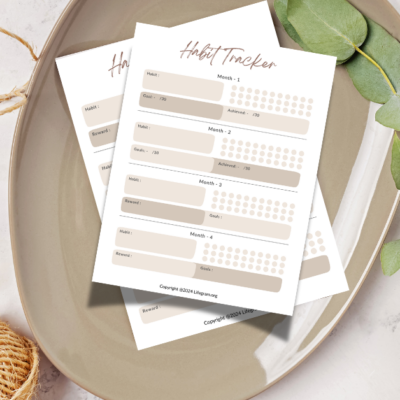 Create Any Habit with the Free Printable Habit Tracker
Original price was: $5.00.$0.00Current price is: $0.00.
-
 Daily Journal 2027: Your Year of Goals, Growth & Mindful Living
Original price was: $20.00.$1.99Current price is: $1.99.
-
 Organize Your Week: Download Weekly Planner Now!
Original price was: $5.00.$0.00Current price is: $0.00.