
Growth
15 Powerful Ways to Invest in Yourself – An Ultimate Guide


Discover 15 practical ways to invest in yourself for personal growth, success, and happiness. Learn habits, mindset shifts, and daily routines to improve your life.
At some point in life, you realize that the most valuable investment you can ever make is not in money, assets, or anything external.
It is in yourself.
Your mindset.
Your habits.
Your skills.
For a long time, I believed growth required big changes. A perfect routine. A strict plan. A complete reset.
But the truth is different.
Real growth comes from small, consistent actions.
If you are someone who wants to improve your life, build better habits, and become more confident and disciplined, this complete guide will help you understand how to invest in yourself in simple and practical ways.
Why Investing in Yourself Is Important
When you invest in yourself, everything around you improves.
You think better.
You act better.
You make better decisions.
It improves your confidence, your productivity, and your overall quality of life.
Most people wait for the right time to start.
But the right time is always now.
15 Powerful Ways to Invest in Yourself (Complete Guide)
1. Invest in Your Physical Health
Investing in your physical health is one of the best decisions you can make because your body is the foundation for everything you do. When you feel healthy, you have more energy, improved focus, better productivity, and greater confidence to achieve your goals.
Taking care of your physical health does not mean following strict diets or spending hours in the gym. Start by making small, sustainable changes such as walking daily, eating balanced meals with enough protein, drinking plenty of water, getting quality sleep, and including strength training or yoga in your weekly routine.
You can track your progress by maintaining a fitness journal, monitoring your daily steps, taking monthly progress photos, or simply noticing improvements in your energy, strength, and overall well-being.
If you’re looking for beginner-friendly ways to stay active, explore my guide on Low-Impact Workouts Everyone Needs To Try To Support Wellness, which shares simple exercises that are gentle on your joints while helping you build a healthier lifestyle.
2. Invest in Learning New Skills
Learning new skills is one of the smartest ways to invest in yourself because it helps you grow personally and professionally while boosting your confidence. Every new skill you learn expands your knowledge, keeps your mind active, and opens doors to new opportunities that can improve your career, hobbies, or daily life.
The best way to start is by choosing one skill that genuinely interests you, setting aside 15–30 minutes each day to practice, and focusing on steady progress instead of perfection.
You can track your growth by setting monthly learning goals, maintaining a learning journal, completing small projects, or earning certifications as milestones. Remember, every expert was once a beginner.
Learn how small, consistent actions through the Kaizen method can help you build new skills and create lasting personal growth.
3. Invest in Your Mindset
Your mindset is one of the greatest investments you can make because it influences how you think, feel, and respond to every situation in life. A growth mindset helps you overcome challenges, build confidence, reduce self-doubt, and stay focused on your goals even when progress feels slow.
I have learned that mindset work is not about being positive all the time. It is about becoming aware of your thoughts, replacing limiting beliefs with empowering ones, and choosing progress over perfection.
You can start by practicing gratitude, journaling, reading personal development books, and spending time with people who inspire you.
To track your progress, reflect on your thoughts each week, notice how you handle setbacks, and keep a journal of your wins, lessons, and personal growth.
If you would like to dive deeper into building a positive mindset, read my guide on becoming the best version of yourself.
4. Invest in Reading
Reading is one of the simplest yet most powerful ways to invest in yourself because every book has the potential to teach you something new, shift your perspective, or inspire positive change.
I have found that reading not only improves knowledge but also enhances creativity, focus, vocabulary, and decision-making skills. Whether you enjoy self-improvement, biographies, psychology, or fiction, every book adds something valuable to your life.
The best way to start is to set aside just 10–20 minutes each day and choose books that genuinely interest you. Keep a book by your bedside, listen to audiobooks during your commute, or replace a few minutes of social media scrolling with reading.
You can track your progress by maintaining a reading journal, setting a monthly reading goal, writing down key takeaways, or joining a book club for accountability.
If you’re looking for your next great read, explore my curated list of the best Life-Changing Books to Read and discover even more inspiring recommendations in Best 21 Books to Read Before You Die.
5. Invest in Self-Discipline
Self-discipline is the bridge between your goals and your achievements. It helps you stay committed even when motivation fades, making it one of the most valuable investments you can make in yourself.
I have learned that success is rarely about talent alone. It is about showing up consistently, making intentional choices, and following through on your commitments every day.
You can start building self-discipline by creating a simple daily routine, setting realistic goals, eliminating distractions, keeping promises to yourself, and focusing on one habit at a time instead of trying to change everything overnight.
Track your progress using a habit tracker or journal, celebrate small milestones, and reflect on your consistency each week rather than chasing perfection.
Read the practical ways to strengthen your discipline 75 Hard Challenge Guide to Build Mental Toughness and Discipline.
6. Invest in Mental Health
Your mental health is just as important as your physical health because it affects the way you think, feel, make decisions, and handle everyday challenges.
When your mind is healthy, you are better equipped to manage stress, build meaningful relationships, and stay focused on your personal and professional goals.
Start by creating small daily habits that support your emotional well-being, such as practicing mindfulness, journaling, meditating, spending time in nature, taking breaks from social media, and getting enough sleep.
Remember that taking care of your mental health is not a luxury but a necessity. You can track your progress by maintaining a mood journal, reflecting on your stress levels each week, and noticing improvements in your emotional resilience and overall happiness.
7. Invest in Building Good Habits
Your daily habits shape your future far more than occasional bursts of motivation. The small actions you repeat every day eventually become part of your lifestyle and determine the results you achieve.
Instead of trying to change everything at once, focus on building one habit at a time. Start with something simple, such as drinking more water, walking daily, reading for ten minutes, or preparing healthy meals.
Once that habit becomes automatic, gradually add another. This approach makes long-term success much more achievable. Track your habits using a journal, printable habit tracker, or calendar, and celebrate small wins to stay motivated.
8. Invest in Your Environment
Your environment has a powerful influence on your habits, productivity, and mindset. A clean, organized, and inspiring space makes it easier to stay focused, while clutter and constant distractions can drain your energy without you realizing it.
Investing in your environment means creating spaces that support your goals rather than work against them. Start by decluttering one small area at a time, organizing your workspace, surrounding yourself with books or inspiring quotes, limiting digital distractions, and spending more time with people who encourage your growth.
You can track your progress by noticing how productive, focused, and peaceful you feel after making these changes.
9. Invest in Self-Reflection
Personal growth begins with self-awareness, and self-reflection is one of the best ways to understand yourself better. Taking a few minutes to reflect each day helps you recognize your strengths, learn from your mistakes, celebrate your progress, and make better decisions moving forward.
You can begin by asking yourself simple questions like, “What went well today?”, “What could I improve?”, or “What am I grateful for?” Writing your thoughts in a journal makes the process even more meaningful.
Track your growth by reviewing your journal regularly and noticing patterns in your thoughts, emotions, and habits over time.
If you would like to deepen your self-reflection practice, explore my guide on How to Write a Letter to Your Younger Self
Download 365 Journal Prompts to build a consistent journaling habit.

10. Invest in Consistency
Consistency is what turns small actions into meaningful results. Anyone can feel motivated for a day or two, but lasting success belongs to those who continue showing up even when they do not feel like it.
Whether your goal is improving your health, learning a new skill, reading more books, or building a business, consistency will always outperform perfection.
Start by setting realistic daily goals, creating a routine, and focusing on progress rather than flawless execution. Even if you can only take one small step each day, keep moving forward. Track your consistency with a habit tracker, weekly reviews, or monthly progress check-ins, and celebrate every milestone along the way.
11. Invest in Time Management
Time is one of the few resources that you can never get back, which is why learning to manage it wisely is one of the best investments you can make in yourself.
Good time management helps you reduce stress, improve productivity, and create a healthier work-life balance. Instead of feeling busy all day, you learn to focus on what truly matters.
Start by planning your day the night before, identifying your top three priorities, using a planner or digital calendar, breaking large tasks into smaller ones, limiting distractions, and scheduling time for rest as well.
Track your progress by reviewing how you spend your time each week, checking off completed tasks, and identifying activities that waste your valuable hours.
12. Invest in Financial Awareness
Financial awareness is not about becoming wealthy overnight. It is about making informed decisions with your money so you can build a secure and stress-free future.
Understanding your income, expenses, savings, and spending habits gives you confidence and helps you achieve your personal goals.
Start by creating a simple monthly budget, tracking your expenses, building an emergency fund, avoiding unnecessary purchases, reading books or articles about personal finance, and setting realistic savings goals.
You can track your progress by reviewing your budget every month, monitoring your savings, reducing unnecessary expenses, and celebrating financial milestones along the way.
Investing in your financial knowledge today will give you greater financial freedom and peace of mind tomorrow.
13. Invest in Communication Skills
Strong communication skills can improve every area of your life, from personal relationships to career opportunities. The ability to express your thoughts clearly, listen actively, and communicate with confidence helps you build trust and stronger connections with others.
You can begin by practicing active listening, reading regularly to improve your vocabulary, participating in conversations without fear of making mistakes, asking thoughtful questions, and learning to communicate with empathy.
Remember that communication is just as much about listening as it is about speaking. Track your progress by seeking feedback, noticing how confidently you express your ideas, and reflecting on your conversations each week.
14. Invest in Rest and Recovery
Many people believe that being productive means working constantly, but real growth happens when you give your mind and body enough time to recover. Rest is not a sign of laziness. It is an essential part of maintaining your physical health, mental clarity, creativity, and overall well-being.
Start by creating a consistent rest schedule, aiming for seven to eight hours of quality sleep, taking short breaks during work, limiting screen time before bed, practicing relaxation techniques, and making time for activities that help you recharge.
15. Invest in Self-Belief
Self-belief is the foundation of every achievement because you cannot expect others to believe in your dreams if you do not believe in yourself first.
Every successful journey begins with the confidence to take the first step, even when the outcome is uncertain. Building self-belief does not mean thinking you are perfect. It means trusting that you can learn, improve, and overcome challenges through consistent effort.
Start by celebrating small wins, replacing negative self-talk with encouraging thoughts, setting realistic goals, stepping outside your comfort zone, and reminding yourself of how far you have already come.
Final Thoughts
If there is one lesson I have learned over the years, it is this: investing in yourself is never a waste of time, money, or effort. Unlike material things that lose value over time, the knowledge you gain, the habits you build, the confidence you develop, and the experiences you collect stay with you for life.
When I look back at my own journey, I don’t remember the days when everything was perfect. I remember the small decisions that slowly changed my life. Choosing to pursue my yoga teacher training in Kerala and Rishikesh, starting Lifegram to share what I learn, reading books that challenged my thinking, committing to regular workouts, becoming a certified nutritionist, journaling consistently, and stepping outside my comfort zone through solo travel.
None of these happened overnight. They were built one small step at a time.
You don’t have to invest in all fifteen areas today.
Start with one.
Maybe it’s reading ten pages a day. Maybe it’s taking a daily walk, learning a new skill, writing in a journal, or believing in yourself a little more than you did yesterday.
Small actions may seem insignificant in the moment, but they have a remarkable way of shaping your future. Every positive choice you make today is a gift to your future self.
So, ask yourself one simple question:
What is one investment I can make in myself today that my future self will thank me for?
Write it down, take the first step, and stay consistent.
Remember, the best project you will ever work on is you. And every day you choose to grow is a day you move closer to becoming the person you are meant to be.
Frequently Asked Questions (FAQs)
1. What does it mean to invest in yourself?
Investing in yourself means dedicating your time, energy, and resources to improve your physical health, mental well-being, skills, knowledge, mindset, and personal growth. It helps you become more confident, productive, and prepared for future opportunities.
2. Why is investing in yourself important?
Investing in yourself helps you build confidence, develop valuable skills, improve your health, strengthen relationships, and create a better quality of life. It is one of the few investments that continues to provide lifelong returns.
3. What are the best ways to invest in yourself?
Some of the best ways include improving your physical and mental health, reading books, learning new skills, managing your time wisely, building good habits, practicing self-reflection, strengthening communication skills, and believing in yourself.
4. How can I start investing in myself with little or no money?
You don’t need a large budget to invest in yourself. You can start by reading free books from the library, taking online courses, exercising at home, journaling, practicing meditation, listening to podcasts, and learning through free educational resources.
5. How much time should I invest in myself every day?
Even 20 to 30 minutes each day can make a significant difference over time. Consistency is more important than spending several hours occasionally.
6. What skills should I learn to invest in myself?
The best skills depend on your goals, but communication, financial literacy, emotional intelligence, digital skills, leadership, time management, and problem-solving are valuable for almost everyone.
7. How do I stay consistent with my personal growth journey?
Set realistic goals, focus on one habit at a time, track your progress, celebrate small wins, and remember that progress is more important than perfection.
8. Can investing in yourself improve your career?
Yes. Learning new skills, improving communication, building confidence, and developing leadership qualities can increase your career opportunities and professional growth.
9. How do I measure my personal growth?
You can measure your progress by keeping a journal, reviewing your goals regularly, tracking habits, reflecting on challenges you’ve overcome, and noticing improvements in your confidence, relationships, and overall well-being.
10. What is the most valuable investment you can make in yourself?
The most valuable investment is developing a growth mindset. When you continuously learn, improve your habits, and take care of your physical and mental health, every other area of your life benefits.














Hello there! Welcome to LIFEGRAM, a lifestyle blog about travel, growth, wellness, and all things worth writing!
-
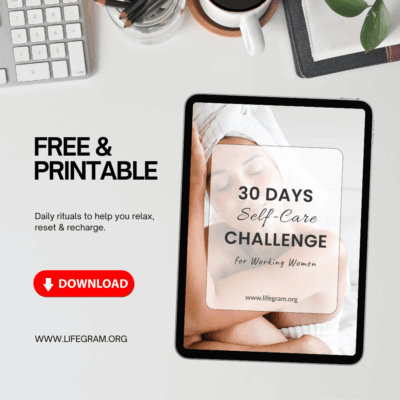 Download Your Free 30-Day Self-Care Challenge PDF
Original price was: $20.00.$0.00Current price is: $0.00.
Download Your Free 30-Day Self-Care Challenge PDF
Original price was: $20.00.$0.00Current price is: $0.00.
-
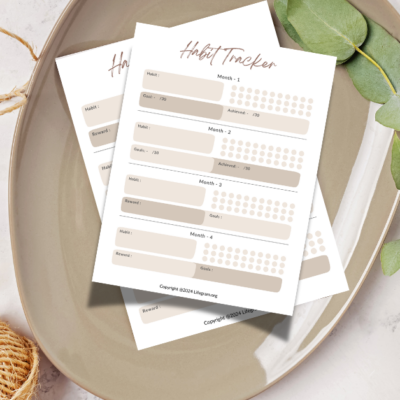 Create Any Habit with the Free Printable Habit Tracker
Original price was: $5.00.$0.00Current price is: $0.00.
Create Any Habit with the Free Printable Habit Tracker
Original price was: $5.00.$0.00Current price is: $0.00.
-
 Start Journaling: Download Your Daily Journal for 2026
Original price was: $20.00.$1.99Current price is: $1.99.
Start Journaling: Download Your Daily Journal for 2026
Original price was: $20.00.$1.99Current price is: $1.99.
-
 Organize Your Week: Download Weekly Planner Now!
Original price was: $5.00.$0.00Current price is: $0.00.
Organize Your Week: Download Weekly Planner Now!
Original price was: $5.00.$0.00Current price is: $0.00.