Lifestyle
20 Practical Ways to Lose Fat (Not Just Weight): A Nutritionist’s Personal Guide

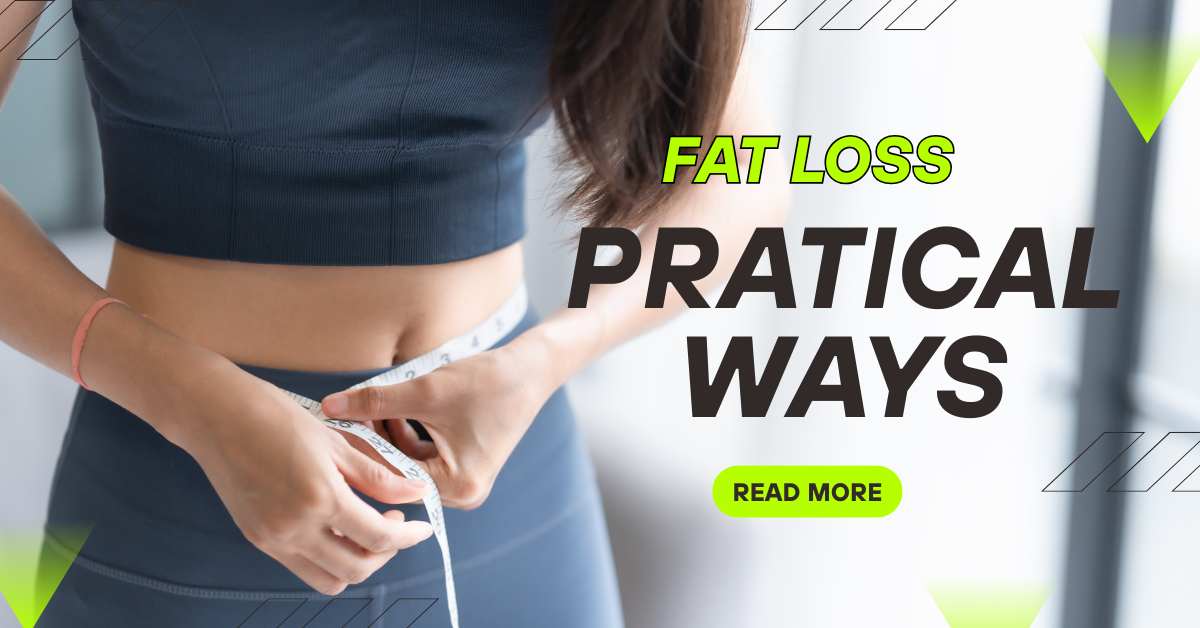
Learn the real difference between fat loss and weight loss. As a nutritionist and yoga teacher, I am sharing 20 practical ways to lose fat that worked for me. How can you adopt them sustainably with a positive mindset, habits, and consistency?
Fat Loss vs Weight Loss: Why This Difference Matters
Before we talk about fat loss, we need to clear one major confusion. Weight loss and fat loss are not the same thing. Weight loss simply means the number on the scale goes down. That weight can come from water, muscle, or even dehydration. Fat loss, on the other hand, means you are reducing excess body fat while preserving muscle, strength, and energy.
As a nutritionist and gym enthusiast, I have seen people lose weight quickly but feel weaker, tired, and unhealthy. I have also seen people whose weight barely changes, yet their body shape, confidence, and strength transform completely. That is fat loss.
Fat loss is slower, but it is sustainable. It improves hormones, metabolism, digestion, and mental health. The 20 practices below are focused on fat loss, not crash weight loss.
20 Practical Ways to Lose Fat That Worked For Me:
1. Start Your Day with Hydration
This was the first habit I consciously built. I noticed that on days I skipped water in the morning, I felt sluggish and craved sugar. Drinking water after waking up helps rehydrate the body, supports digestion, and prepares your metabolism for the day.
I personally start my day with one or two glasses of plain lukewarm water. Sometimes I add pink salt or lemon, but consistency matters more than additions. Many people confuse thirst with hunger, which leads to overeating later. If you forget, keep a bottle near your bed. If you miss a day, simply restart the next morning without guilt.
2. Focus on Protein at Every Meal
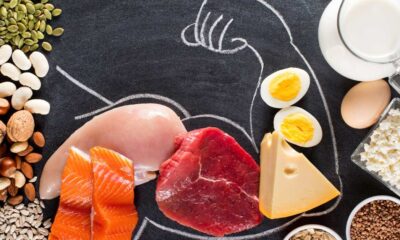
Protein changed my body composition more than any workout ever did. When I started prioritizing protein, my cravings reduced and my muscle tone improved. Protein helps preserve lean muscle, which is essential for fat loss.
You do not need protein supplements at the beginning of your fat loss journey. Eggs, paneer, tofu, dals, yogurt, and legumes work perfectly. Start by adding protein in every meal instead of removing carbs. The challenge most people face is under-eating protein. If you miss a meal, do not compensate later. Just focus on the next meal. Fat loss is built meal by meal.
Once you fix your meal, you can later introduce supplements based on your dietary requirements. I personally consume whey protein isolate to complete my protein intake and prevent muscle loss.
3. Eat Slowly and Mindfully
This habit came to me through yoga, not nutrition textbooks. When we eat slowly, digestion improves and the brain receives fullness signals on time. Eating fast leads to overeating, bloating, and poor fat metabolism.
I make it a rule to sit down, eat without screens, and chew properly. Even one mindful meal a day makes a difference. The challenge is modern distractions. If you forget, pause mid-meal and slow down. Mindful eating supports fat loss without calorie counting.
4. Strength Train to Lose Fat, Not Weight
Many people fear weights, especially women. But strength training is one of the most powerful fat loss tools. Muscle increases resting metabolism and improves insulin sensitivity.
As someone who lifts weights regularly, I can say this confidently. Strength training reshaped my body far more than cardio alone. You do not need daily workouts. Two to four sessions a week are enough. If you skip a week, restart gently. Muscle memory works in your favor.
5. Walk More Than You Think You Need
Walking is underrated. It is gentle on joints, reduces stress, and supports fat oxidation. On days I do not train, walking keeps my body active and my mind calm. Being a full-time corporate junkie, I was hardly able to complete my 5k steps daily. But then I took a challenge with one of my friends and started tracking the steps. Now I try to complete my 10k steps daily to maintan the consistency on that 10k Challenge.
Aim for daily movement instead of intense workouts only. Walk after meals if possible. The challenge is consistency, not intensity. Missed walks do not cancel progress. Resume the next day.
6. Manage Stress to Release Stored Fat
Stress and fat loss are deeply connected. High stress increases cortisol, which promotes fat storage, especially around the abdomen.
Yoga taught me that calmness is not luxury, it is necessity. Breathing practices, meditation, journaling, or quiet walks help regulate stress hormones. If stress spikes, do not punish your body with extreme dieting. Support it. Fat loss happens in a calm nervous system.
You can now download for FREE 365 journal prompt ideas for your personal growth.

7. Sleep Like It Is Part of Your Fat Loss Plan
Sleep affects hunger hormones, insulin sensitivity, and recovery. I learned this the hard way. Poor sleep stalled my fat loss even when diet and workouts were on point.
Aim for consistent sleep timing. Quality matters more than perfection. If sleep is disturbed, focus on improving routines instead of forcing early mornings. Fat loss thrives on rest.
8. Reduce Sugar Without Becoming Fearful
Sugar is not evil, but excess sugar disrupts fat metabolism. I reduced sugar gradually, not overnight. This made it sustainable. Initially, I cut down on white sugar in my tea and coffee, and then finally replaced it with monk fruit sweetener.
Emotional eating is the biggest challenge. If you overconsume sugar one day, do not spiral. Resume normal meals. Fat loss is about trends, not single days.
9. Eat Enough Fiber Daily
Fiber supports gut health and keeps you full naturally. When my fiber intake improved, digestion and fat loss improved together.
Vegetables, fruits, seeds, and whole grains are key. Increase fiber slowly to avoid bloating. If digestion feels off, adjust portions. Gut health plays a major role in fat loss. Try to complete 25-30 gm of fibre in your daily diet. Sometimes, when it seems that you missed your fibre, you can take 1-2 tsp of isabgol/psyllium husk.
10. Stop Chasing the Scale
The scale measures weight, not fat. I stopped weighing myself frequently and started noticing energy, strength, and clothes fit.
Fat loss often shows in inches, posture, and confidence before scale changes. If the scale discourages you, step away from it. Trust body signals more than numbers.
11. Eat Consistently, Not Perfectly
Perfection leads to burnout. Consistency leads to fat loss. I aim for balance, not extremes.
Missed workouts or indulgent meals do not define progress. Resume your habits at the next opportunity. Fat loss is built through repetition, not punishment.
12. Balance Carbs Instead of Eliminating Them
Carbs are not the enemy. Poor carb quality and timing are. I use carbs to fuel workouts and recovery.
Choose whole food sources and adjust portions based on activity. If energy drops, carbs may be too low. Fat loss works best when the body feels nourished.
13. Hydrate Throughout the Day
Hydration supports fat metabolism and digestion. I keep water visible to remind myself to sip.
If cravings hit, I drink water first. Dehydration often mimics hunger. Restart hydration anytime without guilt. If you think you forgot to drink water, you can set a water reminder initially or keep a water reminder bottle near you to keep yourself hydrated.
14. Use Yoga for Hormonal Balance
Yoga supports fat loss by calming the nervous system and improving digestion. It complements gym training beautifully.
Even 15 minutes of stretching or breathing helps. Consistency matters more than duration.
15. Plan Meals, Do Not Overthink Them
Planning reduces decision fatigue. I keep meals simple and repetitive.
If planning fails one week, do not abandon it completely. Restart with basics.
This is a sample 7-day meal plan that I usually follow, you can adjust your food according to your daily calorie budget and food choices.
16. Build Muscle to Burn Fat at Rest
Muscle tissue burns more calories even at rest. This is why strength training is essential.
Progress slowly and focus on form. Fat loss improves as muscle increases.
17. Reduce Alcohol Frequency
Alcohol slows fat metabolism and disrupts sleep. Reducing frequency helped my recovery.
Enjoy occasionally without guilt. Resume habits the next day.
18. Track Habits, Not Calories
I track hydration, protein, movement, and sleep. This keeps focus on behaviors.
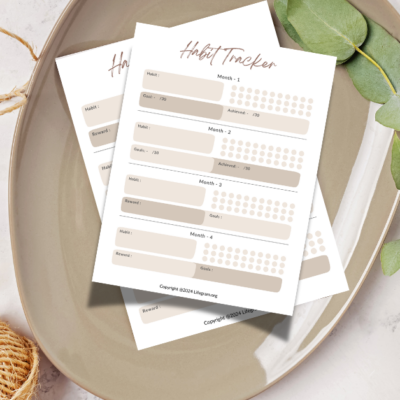
Calories fluctuate daily. Habits create fat loss. I have created a FREE habit tracker that you can use to track your progress.

19. Be Patient with Plateaus
Plateaus are normal. They do not mean failure.
Review sleep, stress, and consistency instead of cutting food further.
20. Trust Your Body
Your body wants balance, not extremes. When supported, fat loss happens naturally.
Kindness creates consistency. Consistency creates fat loss.
More Frequently Asked Questions About Fat Loss
Is fat loss possible without losing muscle?
Yes, fat loss without muscle loss is absolutely possible and should be the goal. This requires adequate protein intake, strength training, proper sleep, and avoiding extreme calorie restriction. As a nutritionist, I always emphasize preserving muscle because muscle supports metabolism and long-term fat loss.
Why am I not losing fat even though I am eating less?
Eating too little can slow down metabolism and increase stress hormones, which can block fat loss. In many cases, the body goes into survival mode. Fat loss improves when the body feels nourished, rested, and safe rather than deprived.
Does fat loss happen evenly from the whole body?
No, fat loss does not happen evenly. Genetics and hormones decide where fat is lost first. For most people, belly and hip fat are the last to go. Spot reduction is a myth, but overall fat loss will eventually reduce stubborn areas.
Can women lose fat without heavy workouts?
Yes, women can lose fat without extreme workouts. Strength training, walking, yoga, and proper nutrition are enough. Overtraining can increase stress and negatively affect fat loss, especially for women.
How does stress affect fat loss?
Chronic stress raises cortisol levels, which promotes fat storage, especially around the abdomen. This is why stress management through yoga, meditation, and proper rest is essential for sustainable fat loss.
Is belly fat harder to lose than overall fat?
Belly fat often feels harder to lose because it is closely linked to stress, sleep, and insulin resistance. Improving lifestyle habits usually helps reduce belly fat over time.
Can fat loss happen without cardio?
Yes, fat loss can happen without traditional cardio. Strength training, walking, yoga, and daily movement can effectively support fat loss when combined with proper nutrition.
How important is protein for fat loss?
Protein is extremely important for fat loss. It preserves muscle, supports metabolism, reduces cravings, and improves satiety. Low protein intake is one of the most common reasons fat loss stalls.
Why does fat loss slow down after a few weeks?
Fat loss slows down as the body adapts. This is normal. Reviewing sleep, stress, protein intake, and training intensity often helps restart progress without drastic changes.
Can fat loss be permanent?
Yes, fat loss can be permanent when achieved through habits rather than extreme diets. Sustainable routines create results that last.
Disclaimer: This post contains a few affiliate links. If you click any of them and make a purchase, I might earn a small commission at no extra cost to you. Just know that I truly appreciate your support if you choose to do so.








Hello there! Welcome to LIFEGRAM, a lifestyle blog about travel, growth, wellness, and all things worth writing!

-
 Download Your Free 30-Day Self-Care Challenge PDF
Original price was: $20.00.$0.00Current price is: $0.00.
Download Your Free 30-Day Self-Care Challenge PDF
Original price was: $20.00.$0.00Current price is: $0.00.
-
 Create Any Habit with the Free Printable Habit Tracker
Original price was: $5.00.$0.00Current price is: $0.00.
Create Any Habit with the Free Printable Habit Tracker
Original price was: $5.00.$0.00Current price is: $0.00.
-
 Start Journaling: Download Your Daily Journal for 2026
Original price was: $20.00.$1.99Current price is: $1.99.
Start Journaling: Download Your Daily Journal for 2026
Original price was: $20.00.$1.99Current price is: $1.99.
-
 Organize Your Week: Download Weekly Planner Now!
Original price was: $5.00.$0.00Current price is: $0.00.
Organize Your Week: Download Weekly Planner Now!
Original price was: $5.00.$0.00Current price is: $0.00.
-

 Journaling3 months ago
31 Best January Journal Prompt Ideas 2026 for Self-Discovery
-

 Journaling2 months ago
February Journal Prompts for Self-Discovery, Growth, and Goal Clarity
-

 Journaling1 month ago
31 Best March Journal Prompts for Self Growth and Productivity
-

 Lifestyle3 months ago
10 Healthy Lifestyle Habits for Busy People (Simple Daily Wellness Routine)
-

 Journaling5 days ago
30 Best April Journal Prompts For Self-Discovery & Personal Growth
-

 Quotes2 months ago
50+ Inspiring Rhonda Byrne Quotes
-

 Travel2 months ago
Pondicherry Solo Trip Experience: When a Vision Board Turned Into Reality
-

 Travel3 months ago
My Vietnam Travel Diary: A Journey of Places, People, and Quiet Connections