The Complete Personal Growth Guide: How to Improve Yourself and Build a Better Life
Explore this personal growth guide for practical tips on self-improvement, confidence, better habits, mindfulness, and meaningful goals.
Have you ever felt that you want more from life, not necessarily more money, success, or recognition, but more clarity, confidence, happiness, and a stronger sense of who you are?
Perhaps you want to develop healthier habits, stop comparing yourself to others, manage your emotions better, become more confident, or finally make progress toward goals that matter to you. You know you want to improve, but you may not know where to begin.
This is where personal growth begins.
Personal growth is the ongoing process of understanding yourself, developing new skills, improving your habits, and making intentional choices that help you become the person you want to be.
It is not about changing everything about yourself overnight or trying to live up to someone else’s definition of success. It is about learning, reflecting, and making small, meaningful improvements over time.
Your personal growth journey might begin with reading a few pages of a book, spending five minutes journaling, learning to set boundaries, practicing mindfulness, or taking one small step toward a long-held goal.
These actions may seem ordinary, but when you practice them consistently, they can help you build a more intentional and fulfilling life.
In this complete guide to personal growth, you will learn what personal growth means, why it matters, and how self-improvement can become a realistic part of your everyday life. We will explore practical ways to develop self-awareness, build positive habits, strengthen your mindset, and create a personal development journey that works for you.
If you are looking for ways to improve yourself, become the best version of yourself, and create lasting positive change, this guide will help you get started without overwhelming yourself with unrealistic expectations.
Remember, you do not need to have your entire life figured out before you begin. You only need the willingness to understand where you are today and take one small step toward where you want to be.
What Is Personal Growth?
Personal growth is the continuous process of learning about yourself, improving your abilities, developing healthier habits, and becoming more aware of your thoughts, emotions, values, and choices. It is also known as personal development or self-improvement.
Think of personal growth as getting to know yourself a little better with each passing day. You begin to recognize what motivates you, what drains your energy, which habits support your well-being, and which patterns may be holding you back. With this awareness, you can make more intentional decisions about the life you want to build.
Personal growth does not always involve making dramatic changes. Sometimes, it means learning to respond calmly instead of reacting immediately. Sometimes, it means accepting that you need rest rather than pushing yourself to do more. It might mean learning a new skill, becoming more financially responsible, improving a relationship, or finding the courage to try something unfamiliar.
There is no single path to personal development because every person has different experiences, responsibilities, challenges, and goals.
Understanding the Different Areas of Personal Growth
Personal growth involves more than career success or productivity. It includes several areas of life that influence how you think, feel, act, and relate to the world around you.
- Emotional growth: Learning to recognize your feelings, manage difficult emotions, and respond to challenges with greater awareness.
- Mental growth: Developing a willingness to learn, question assumptions, solve problems, and consider new perspectives.
- Physical growth: Building habits that support your energy and well-being, such as regular movement, balanced nutrition, and sufficient rest.
- Social growth: Improving communication, building meaningful relationships, listening to others, and setting healthy boundaries.
- Spiritual and values-based growth: Exploring what gives your life meaning, understanding your values, and making choices that feel aligned with them.
- Professional growth: Developing useful skills, becoming more confident in your work, and exploring opportunities to learn and progress.
- Financial growth: Improving your relationship with money through budgeting, thoughtful spending, saving, and long-term planning.
These areas often overlap. For example, improving your emotional awareness may help you communicate better in relationships. Building healthier daily habits may give you more energy to work toward your career goals. Learning to manage your finances may reduce some of the uncertainty you feel about the future.
You do not need to improve every area of your life at the same time. Start by identifying the areas that need your attention most and choose one or two realistic changes to focus on.
Personal Growth Is Not About Becoming Perfect
One common misunderstanding about self-improvement is that you must constantly work on yourself to become worthy, successful, or happy. This can turn personal development into another source of pressure.
But personal growth is not about fixing every perceived flaw. It is about understanding yourself, accepting where you are, and recognizing where change could make your life more meaningful.
You can be proud of yourself and still have goals. You can accept your current circumstances and still want something different. You can take a break without abandoning your ambitions.
Realistic self-improvement leaves room for mistakes, rest, uncertainty, and changing priorities. Progress may be slow, and some periods of life will be more challenging than others. What matters is developing the ability to learn from your experiences and continue moving forward at a sustainable pace.
If you want to explore practical ways to make positive changes, read our guide to 26 ways to become the best version of yourself. You can use these ideas to identify habits and choices that fit your current goals.
Personal Growth, Self-Improvement, and Personal Development: What Is the Difference?
These terms are often used interchangeably, and they share many similarities. However, there is a useful distinction between them.
- Personal growth focuses on how you evolve as a person through experiences, self-awareness, learning, and changing perspectives.
- Self-improvement focuses on taking deliberate steps to improve a specific area of your life, such as confidence, communication, discipline, or time management.
- Personal development is the broader process of setting goals, building skills, developing habits, and creating opportunities for growth in different areas of life.
For example, recognizing that you often avoid difficult conversations is an aspect of self-awareness and personal growth. Practicing how to communicate your needs clearly is self-improvement. Creating a long-term plan to strengthen your communication and relationship skills is part of personal development.
All three work together. Understanding yourself helps you identify what needs to change, while practical action allows you to turn that understanding into progress.
How to Begin Your Personal Growth Journey
You do not need an elaborate personal development plan to begin. Start by asking yourself a few honest questions:
- What is working well in my life right now?
- Which area of my life needs more attention?
- What habit would make my everyday life better?
- What have I been avoiding that I need to address?
- What is one small change I can realistically make this week?
Writing down your answers can help you identify priorities instead of trying to change everything at once. If you would like a more structured way to reflect, use our Life Self-Assessment Checklist for Personal Growth and Balanced Living. It can help you review different areas of your life, recognize what needs attention, and decide where to begin.
You can also explore our complete guide to journaling to learn how regular writing can support self-reflection, clarify your goals, and help you notice patterns in your thoughts and behavior.
Why Personal Growth Matters
Personal growth matters because the way you think, the habits you practice, and the choices you make influence your everyday experiences. While you cannot control every circumstance in your life, you can learn to understand yourself better, respond to challenges more thoughtfully, and make decisions that align with your values.
Without reflection, it is easy to repeat the same routines, follow expectations that no longer fit, or spend years working toward goals that do not genuinely matter to you. Personal development creates an opportunity to pause, evaluate your direction, and decide what you want to do differently.
It is not about becoming a completely different person. It is about developing the awareness and skills that help you live with greater intention.
1. Personal Growth Helps You Understand Yourself Better
Self-awareness is an important part of personal development. The more you understand your values, emotions, strengths, weaknesses, and recurring patterns, the easier it becomes to make choices that reflect who you are and what matters to you.
For instance, you may discover that you often agree to commitments because you are worried about disappointing others. Recognizing this pattern gives you an opportunity to practice setting boundaries and communicating your needs more clearly.
Self-awareness can also help you identify your strengths and use them more effectively instead of focusing only on what you believe you lack.
2. It Encourages Better Habits and Consistency
Many meaningful changes in life come from small actions repeated over time. Reading regularly, exercising, planning your day, reflecting on your experiences, or setting aside time to learn a new skill can gradually become part of your lifestyle.
Personal growth encourages you to look beyond short bursts of motivation and build routines you can maintain even when life gets busy. You do not have to transform your entire schedule. Start with a habit that feels manageable and build from there.
For practical inspiration, explore our guide to 7 rules of life to gain mental clarity, which covers simple ways to approach overthinking, declutter your mind, and become more intentional about everyday life.
3. It Can Help You Develop Greater Confidence
Confidence often develops through experience. When you try something unfamiliar, practice a skill, or follow through on a commitment, you give yourself evidence that you can learn and improve.
You may not feel confident before taking the first step. However, small experiences of progress can help you trust your ability to handle new situations.
Personal growth also teaches you to recognize that making mistakes does not mean you are incapable. It means there is something you can learn, adjust, or approach differently next time.
4. It Helps You Respond to Challenges More Thoughtfully
Life rarely follows a perfectly predictable path. You may face disappointment, unexpected changes, difficult conversations, professional setbacks, or periods when your plans no longer make sense.
Personal development cannot prevent these experiences, but it can help you build skills that make navigating them easier. Reflecting on your reactions, considering different perspectives, and identifying what is within your control can help you respond with greater intention rather than acting entirely on impulse.
Over time, you may become better at learning from setbacks, adjusting your expectations, and choosing practical next steps when things do not go as planned.
5. It Supports More Meaningful Relationships
The way you understand yourself often affects how you interact with other people. When you become more aware of your emotions, communication habits, and boundaries, you may find it easier to express yourself clearly and listen without immediately becoming defensive.
Personal growth can also help you recognize unhealthy patterns, take responsibility for your actions, and appreciate the people who contribute positively to your life.
Healthy relationships still require effort from everyone involved. Personal development simply gives you more opportunities to understand your own role and make thoughtful choices about how you treat others.
6. It Helps You Set Goals That Reflect Your Values
It is easy to pursue goals because they look impressive or because other people expect them from you. But achievement does not always lead to fulfillment when your goals are disconnected from your values.
Personal growth encourages you to ask why a particular goal matters to you. Do you genuinely want that career path, lifestyle, or routine? Does it support the kind of life you want to create, or are you pursuing it mainly because of comparison or outside pressure?
These questions can help you distinguish between goals that genuinely matter and expectations you may have accepted without reflection. You can then direct your time and energy toward priorities that feel more meaningful.
7. It Encourages Lifelong Learning
Personal growth reminds you that learning does not end when you leave school or reach a particular stage of your career. You can continue developing new skills, exploring interests, improving your communication, and discovering different ways to approach familiar problems.
Sometimes, growth means reading a book or taking a course. At other times, it means listening carefully to feedback, learning from a mistake, or being willing to reconsider an opinion.
Remaining curious can help you adapt to changing circumstances and discover opportunities you might otherwise overlook.
8. It Helps You Create a More Intentional Life
When you make time for self-reflection, you become more aware of how you spend your time, what receives your attention, and whether your daily choices support your priorities.
You may realize that your schedule is full but leaves little room for rest. You might notice that constant distractions make it difficult to focus on important goals. Or you may discover that certain routines no longer suit the person you are becoming.
This awareness gives you an opportunity to make adjustments. You can simplify your commitments, create healthier boundaries, spend more time on meaningful activities, and let go of habits that no longer serve you.
If intentional living is something you want to explore further, read The Complete Guide to Mindful Living. It offers practical ideas for bringing more awareness and purpose into your everyday routines.
9. It Encourages You to Take Responsibility for Your Progress
You cannot control every opportunity, obstacle, or outcome. However, you can often influence how you prepare, what you learn, how you respond, and which actions you take next.
Personal growth helps you shift your attention from wishing that everything were different to identifying the steps available to you right now.
This does not mean blaming yourself for circumstances beyond your control. It means recognizing where you have choices and using them as thoughtfully as possible.
10. It Helps You Appreciate Your Progress
When you focus only on the distance between your current life and your ideal future, it can feel as though you are never doing enough. Personal growth encourages you to recognize progress as well as identify areas for improvement.
Perhaps you are communicating more openly, managing your time more thoughtfully, becoming more consistent with a habit, or learning to treat yourself with greater kindness. These changes matter, even when they are not immediately visible to others.
Keeping a record of your experiences can help you notice how far you have come. You could write a few lines in a journal each evening, review your goals weekly, or complete a personal life assessment every few months.
If you want to make reflection part of your routine, explore our Daily Journal. It includes space for planning, tracking habits, recording memories, and reflecting on different parts of your life.
Make Personal Growth a Practice, Not a Race
One of the most important things to remember is that personal growth is not a competition. You do not need to reach a particular milestone by a certain age, match someone else’s achievements, or make visible progress every day.
Your journey will depend on your circumstances, priorities, resources, and experiences. Some seasons will be focused on learning and taking action. Others may require you to rest, reconsider your direction, or simply maintain the habits that support you.
Start with curiosity rather than criticism. Choose one area you want to understand or improve, identify a small step you can take, and give yourself room to learn along the way.
Personal growth begins when you stop expecting yourself to have everything figured out and start paying attention to the choices you can make today.
How to Start Your Personal Growth Journey
Starting your personal growth journey can feel exciting, but it can also feel overwhelming. You might have a long list of things you want to improve, from building confidence and developing better habits to improving your health, managing your time, or finding more direction in life.
The challenge is knowing where to begin.
The good news is that you do not need to change your entire life at once. The most effective way to begin personal development is to understand your current situation, identify what matters most to you, and take small steps toward meaningful change.
Whether you are beginning your self-improvement journey for the first time or trying to reconnect with goals you have put aside, these steps can help you create a realistic starting point.
Step 1: Understand Where You Are Right Now
Before deciding where you want to go, take time to understand where you are today. Personal growth begins with self-awareness, which means recognizing your strengths, challenges, emotions, habits, values, and current priorities.
Instead of judging yourself for what you have not achieved, look at your life with curiosity. What is going well? What feels difficult? Which areas need more attention? What would you like to change?
Consider reflecting on these questions:
- What am I most satisfied with in my life right now?
- What has been making me feel stressed, frustrated, or unfulfilled?
- Which habits are helping me move forward?
- Which habits or routines are making life more difficult?
- What do I wish I had more time or energy for?
- What is one thing I would like to improve over the next three months?
You can write your answers in a notebook or use a structured reflection exercise. Our Life Self-Assessment Checklist can help you review different areas of your life and identify where you would like to focus your personal development efforts.
Step 2: Identify Your Personal Values
Your values are the principles and priorities that influence what matters to you. They might include freedom, family, creativity, learning, health, financial security, kindness, meaningful work, or personal independence.
Understanding your values can make it easier to set personal growth goals that feel meaningful rather than goals you pursue simply because someone else considers them important.
For example, if you value health and balance, creating a sustainable exercise routine may matter more to you than following an extreme fitness plan. If you value creativity, setting aside time to write, paint, or explore new ideas may be an important part of your growth journey.
Try completing these sentences in your journal:
- The things that matter most to me are…
- I feel most like myself when…
- I want to spend more of my time…
- I want my everyday choices to reflect…
- One thing I would like to stop doing just to please others is…
Your answers do not need to be perfect or permanent. Your priorities may change as you gain new experiences. The goal is to develop a clearer understanding of what you want your life to stand for.
Step 3: Choose One Area of Personal Growth
When you think about self-improvement, you may want to change several things at once. You might want to read more, exercise regularly, improve your finances, become more confident, learn a new skill, and develop a calmer mindset.
Trying to work on everything simultaneously can make it difficult to remain consistent. Instead, choose one area of personal growth that would make a meaningful difference in your life right now.
For example:
- If you feel mentally overwhelmed, focus on mindfulness, journaling, or simplifying your schedule.
- If you struggle with consistency, begin with one small daily habit.
- If you want to improve your career, choose a skill you can practice each week.
- If your relationships need attention, work on communication and healthy boundaries.
- If you feel disconnected from your goals, spend time reflecting on your values and priorities.
Choosing a focus does not mean ignoring other areas of your life. It simply gives your attention a clear direction and makes it easier to recognize progress.
Step 4: Set Realistic Personal Development Goals
Once you know which area you want to improve, turn that intention into a specific goal. A vague goal such as “I want to become a better person” may feel inspiring, but it does not tell you what to do next.
A more useful goal describes an action you can take and a way to track your progress.
For example:
- Instead of “I want to read more,” try “I will read for ten minutes before bed on four evenings each week.”
- Instead of “I want to be healthier,” try “I will take a 20-minute walk three times this week.”
- Instead of “I want to understand myself better,” try “I will spend five minutes journaling at the end of each day.”
- Instead of “I want to improve my career,” try “I will spend 30 minutes learning one relevant skill every Saturday.”
These goals give you something concrete to practice. They also make it easier to adjust your plan when your schedule or circumstances change.
Start with a goal that feels achievable with the time, energy, and resources you have available. You can increase the challenge later as the routine becomes more familiar.
Step 5: Build Small Habits Around Your Goal
Personal growth becomes easier to maintain when you connect your goals to everyday actions. Instead of waiting for motivation to appear, create a simple routine that reminds you to take the next step.
If you want to become more mindful, you could spend two minutes noticing your breathing before opening your phone in the morning. If you want to develop a reading habit, leave your book beside your bed. If you want to reflect more often, keep your journal somewhere easy to reach.
Small actions can help reduce the effort required to begin. You do not need to feel motivated every day, but you can make it easier to follow through when you do have the opportunity.
For more ideas, explore our guide to mindful living, which explains how to bring more awareness and intention into ordinary daily routines.
Step 6: Make Time for Reflection
Personal growth is not only about taking action. It is also about understanding what you are learning from your experiences.
Regular reflection helps you notice what is working, what needs adjustment, and how your priorities may be changing. Without it, you may continue following a routine simply because you started it, even when it no longer supports your goals.
Set aside a few minutes at the end of the day or week to ask yourself:
- What went well this week?
- What challenged me, and what did I learn from it?
- Which actions helped me feel more focused or fulfilled?
- What would I like to do differently next week?
- What small progress can I acknowledge?
If you enjoy writing, journaling can be a practical tool for this process. Read The Complete Guide to Journaling for ideas on getting started, choosing what to write, and developing a consistent reflection practice.
You can also explore our 365 Journal Prompts if you prefer having a question to guide your reflection each day.
Step 7: Learn to Be Patient With Yourself
One of the most important parts of starting a personal growth journey is accepting that change takes time. You may follow your new routine for a week and then miss a few days. You may work toward a goal and discover that your original plan needs to change.
These experiences do not mean you have failed. They are opportunities to understand what works for you and what needs to be adjusted.
Instead of expecting yourself to be consistent all the time, focus on returning to your practice after interruptions. Instead of criticizing yourself for making a mistake, ask what you can learn from it.
Your personal growth journey does not need to be perfect to be worthwhile. It needs to be realistic enough for you to keep returning to it.
15 Areas of Personal Growth to Focus On
Personal growth is not limited to one part of your life. You can develop your mindset, improve your relationships, strengthen your habits, learn new skills, and become more intentional about how you spend your time.
Understanding the different areas of personal growth can help you identify which parts of your life need attention and where you would like to make progress.
You do not need to work on all 15 areas at once. Read through the list and choose one or two that feel most relevant to your current circumstances.
1. Self-Awareness
Self-awareness is the ability to recognize your thoughts, emotions, values, strengths, limitations, and behavioral patterns. It helps you understand why you respond to situations in certain ways and whether your choices reflect the person you want to become.
To develop self-awareness, pay attention to your reactions throughout the day. Notice which situations energize you, which ones create tension, and which habits repeatedly influence your decisions.
Try this: At the end of each day, write down one thing you learned about yourself.
2. Emotional Growth
Emotional growth involves becoming more aware of your feelings and learning to respond to them thoughtfully. It does not mean avoiding sadness, frustration, anger, or disappointment. It means learning to recognize these emotions without automatically allowing them to determine your actions.
For example, when a conversation upsets you, emotional awareness can help you pause, understand what bothered you, and decide how to respond instead of reacting immediately.
Try this: When you experience a strong emotion, name what you are feeling and ask yourself what might have contributed to it.
3. Mental Growth and Learning
Mental growth involves expanding your knowledge, developing problem-solving skills, and remaining open to new ideas. It can include reading, learning a language, taking a course, exploring a creative hobby, or questioning assumptions you have held for years.
You do not need to become an expert in every subject. The aim is to remain curious and willing to learn from different experiences and perspectives.
Try this: Spend 10 minutes a day reading, learning, or practicing a skill that interests you.
4. Physical Well-Being
Your physical well-being can influence your energy, concentration, mood, and ability to participate in everyday life. Personal growth in this area involves building realistic routines around movement, rest, nutrition, and other habits that support your health.
Instead of pursuing an extreme routine, look for changes you can maintain. This might mean taking regular walks, stretching between work sessions, preparing balanced meals, or establishing a more consistent sleep schedule.
Try this: Choose one manageable habit that supports your physical well-being and practice it consistently this week.
5. Social Skills and Communication
Strong communication skills can help you express your thoughts, understand other people, resolve disagreements, and build more meaningful connections.
Social growth may involve learning to listen without interrupting, asking better questions, communicating your needs clearly, or becoming more comfortable in unfamiliar social situations.
Try this: During your next conversation, focus on listening carefully before planning what you want to say.
6. Relationships and Healthy Boundaries
Personal growth in relationships means understanding how you contribute to your connections with family, friends, partners, and colleagues. It includes developing trust, communicating honestly, recognizing unhealthy patterns, and respecting both your needs and the needs of others.
Healthy boundaries are an important part of this process. They help you recognize what you can reasonably offer and communicate what you are comfortable with.
Try this: Identify one situation where you need to communicate a preference, ask for support, or set a clearer boundary.
7. Confidence and Self-Esteem
Confidence can grow as you gain experience, develop skills, and learn to trust your ability to handle challenges. Self-esteem relates to how you evaluate and value yourself.
Developing both does not require you to feel positive about yourself every moment. It means learning to recognize your strengths, accept that you have limitations, and avoid defining your entire worth by a single mistake or outcome.
Try this: Write down three things you appreciate about yourself that have nothing to do with external approval or achievement.
8. Growth Mindset
A growth mindset is the belief that abilities and skills can develop through learning, practice, useful feedback, and effort. It encourages you to see challenges as opportunities to learn rather than automatic evidence that you are not capable.
This does not mean that effort guarantees success or that every obstacle can be overcome through a positive attitude. It means remaining open to learning, adapting your approach, and improving where possible.
Try this: When something feels difficult, ask yourself, “What can this experience teach me?”
9. Habits and Self-Discipline
Your daily habits influence how you use your time, care for yourself, and make progress toward your goals. Developing better habits involves creating routines that support your priorities and making it easier to follow through on your intentions.
Self-discipline is not about forcing yourself to work constantly. It also involves protecting your time, managing distractions, and choosing sustainable actions even when immediate motivation is low.
Try this: Choose one habit that takes five minutes or less and connect it to a routine you already follow.
10. Time Management and Productivity
Time management involves deciding how to use your available time in a way that reflects your priorities. It can help you balance responsibilities, personal interests, relationships, rest, and long-term goals.
Rather than filling every hour with tasks, focus on identifying what matters most. You may need to simplify your schedule, reduce distractions, plan your day, or learn to say no to commitments that do not fit your priorities.
Try this: Each morning, identify the three tasks that matter most and give yourself permission to focus on them before adding more to your list.
11. Career and Professional Development
Professional growth involves developing the knowledge, skills, and experience that support your career or chosen field. It may include improving communication, learning new technology, building leadership skills, seeking feedback, or exploring a different professional direction.
Career development can also involve understanding what you want from work. Salary and advancement may matter, but so can flexibility, creativity, meaningful contribution, and a healthy work-life balance.
Try this: Identify one skill that could help you in your current role or future career and schedule time to practice it.
12. Financial Awareness
Financial growth involves developing a clearer understanding of your money and making choices that support your needs and goals. This can include tracking expenses, creating a budget, saving regularly, learning about financial planning, and becoming more thoughtful about spending.
Financial progress looks different for everyone. Your income, responsibilities, resources, and financial commitments will influence the steps available to you.
Try this: Review your recent spending and identify one practical change that could help you manage your money more intentionally.
13. Mindfulness and Inner Awareness
Mindfulness involves paying attention to your present experience with greater awareness and less automatic judgment. It can help you notice your thoughts, surroundings, emotions, and everyday experiences instead of moving through your day entirely on autopilot.
Mindfulness does not require you to meditate for long periods or maintain a perfectly calm mind. You can practice it while eating, walking, listening to someone, or taking a few conscious breaths between tasks.
Try this: Spend two minutes noticing your breathing and the sensations around you without trying to change anything.
For more practical exercises, visit our complete guide to mindful living.
14. Creativity and Self-Expression
Creativity allows you to explore ideas, express yourself, and approach familiar situations in new ways. It may involve writing, photography, drawing, music, cooking, gardening, or experimenting with a hobby you have always wanted to try.
You do not need to be naturally talented or produce something impressive for creativity to be worthwhile. The process of experimenting and expressing yourself can be valuable on its own.
Try this: Set aside 15 minutes this week to do something creative without worrying about the final result.
15. Purpose, Values, and Meaning
Personal growth also involves exploring what makes life meaningful to you. Your sense of purpose may come from relationships, creative work, learning, contributing to your community, caring for others, or pursuing goals that reflect your values.
You do not need to discover one grand purpose that explains your entire life. Meaning can develop through the small choices you make and the people, activities, and commitments you value.
Try this: Ask yourself, “What would I like to make more room for in my life, and why does it matter to me?”
How to Choose Which Area of Personal Growth to Work On
After exploring these 15 areas of personal development, you may recognize several that you would like to improve. That is normal, but you do not need to tackle them all at once.
Use the following questions to help you choose a starting point:
- Which area is creating the greatest challenge in my everyday life?
- Which improvement would make other parts of my life easier?
- Which change feels meaningful and realistic right now?
- What can I begin practicing without completely changing my routine?
Choose one area and commit to a small action for the next seven days. At the end of the week, review how it went and decide whether to continue, adjust, or try something different.
Remember, personal growth is not about becoming exceptional in every area of life. It is about making thoughtful progress in the areas that matter most to you.
How to Develop a Growth Mindset
The way you think about your abilities can influence how you respond to challenges, feedback, mistakes, and new experiences. If you believe that your abilities are fixed, a difficult task may feel like a test of whether you are capable. If you approach it with a growth mindset, the same task can become an opportunity to learn.
A growth mindset is the understanding that many abilities and skills can develop through practice, effective strategies, feedback, and experience. The concept is associated with psychologist Carol Dweck’s research on how beliefs about ability can influence learning and motivation.
Developing a growth mindset does not mean pretending that everything is easy or believing that you can achieve absolutely anything through effort alone. Your circumstances, available resources, opportunities, and support also matter.
Instead, a growth mindset encourages you to focus on what you can learn, what you can influence, and how you might approach a challenge differently.
1. Notice Your Fixed-Mindset Thoughts
A fixed-mindset thought often sounds like a final judgment about your abilities. You might think, “I am terrible at this,” “I will never be confident,” or “I am just not a disciplined person.”
These thoughts can make temporary difficulties feel like permanent limitations. The first step toward changing this pattern is to notice when you are treating a challenge as proof that you cannot improve.
You do not have to force yourself to think positively. Simply recognize the thought and consider whether it tells the whole story.
Practice: When you catch yourself making a negative judgment about your abilities, write it down and ask, “Is this a fact, or is it how I feel about the situation right now?”
2. Add the Word “Yet”
One simple way to encourage a growth-oriented perspective is to add the word “yet” to statements about skills you have not developed.
- “I do not understand this” becomes “I do not understand this yet.”
- “I am not good at speaking confidently” becomes “I am still learning how to speak confidently.”
- “I cannot maintain a routine” becomes “I have not found a routine that works consistently for me yet.”
This small language shift reminds you that your current ability does not necessarily determine your future ability. It also encourages you to look for the next practical step rather than stopping at a negative conclusion.
3. Focus on Learning Instead of Perfection
When perfection becomes the goal, you may avoid trying new things because you are afraid of making mistakes. You might postpone starting a project until you feel fully prepared or abandon a habit when you miss a day.
A growth mindset changes the focus from getting everything right to learning through the process.
For example, if you begin journaling and find it difficult to write every day, experiment with shorter entries or different times of day. If a new skill feels confusing, break it into smaller parts and practice one at a time.
Practice: At the end of each week, identify one thing you learned rather than measuring the week only by what you accomplished.
4. Treat Mistakes as Information
Mistakes can feel uncomfortable, especially when you care deeply about a goal. However, they can also provide useful information about your preparation, strategy, expectations, or current skills.
Instead of interpreting every setback as failure, ask what happened and what you can learn from it.
For example, if you repeatedly miss your morning routine, the problem may not be a lack of discipline. Your routine may be too ambitious, your bedtime may be inconsistent, or your mornings may already be too busy.
Reviewing the situation can help you identify a more realistic approach.
Practice: After a setback, ask yourself three questions: What happened? What can I learn? What will I try differently next time?
5. Become More Comfortable With Challenges
Growth often requires you to do things that feel unfamiliar. You may need to ask for feedback, learn a new skill, have an honest conversation, or attempt something you have been avoiding.
You do not have to choose the most intimidating challenge available. Start with manageable situations that stretch your abilities without overwhelming you.
For example, if you want to become more confident speaking in groups, begin by sharing an idea in a small meeting. If you want to improve your writing, commit to writing a short paragraph regularly before attempting a large project.
Practice: Choose one small action this week that feels slightly outside your comfort zone and take it at a pace that feels manageable.
6. Learn to Receive Feedback
Feedback can help you identify blind spots and improve your skills, but it can also feel personal. Developing a growth mindset means learning to separate useful information from the feeling of being criticized.
You do not need to accept every opinion as correct. Instead, listen carefully, consider whether the feedback is specific and relevant, and decide what you can learn from it.
Practice: When you receive constructive feedback, pause before responding and ask yourself whether there is one useful point you can apply.
7. Stop Comparing Your Progress With Everyone Else
Comparing yourself with other people can make your personal growth journey feel discouraging. You may see someone else’s achievements without understanding the time, resources, support, or challenges behind them.
A growth mindset encourages you to learn from others without treating their progress as evidence that you are falling behind.
Instead of asking why someone else is further ahead, ask what their experience might teach you and what progress looks like within your own circumstances.
Practice: At the end of the week, compare your actions with your own previous efforts. What have you learned, practiced, or handled differently?
8. Surround Yourself With Opportunities to Learn
Your environment can influence how easy it is to learn and develop new habits. Spend time with people who encourage curiosity, seek out resources that help you build useful skills, and make space for activities that challenge you in constructive ways.
This does not mean you need to change your entire social circle. You might begin by reading a book, following a useful educational resource, joining a learning community, or asking someone experienced for guidance.
Practice: Choose one resource, person, or activity that could help you learn something relevant to your current goal.
9. Use Reflection to Strengthen Your Growth Mindset
Journaling can help you identify the beliefs and assumptions that influence your behavior. Writing about difficult experiences gives you an opportunity to examine what happened, recognize your reactions, and consider a different approach.
Try these growth mindset journal prompts:
- What is something I find difficult but would like to learn?
- When did I give up too quickly, and what could I try differently?
- What mistake taught me something valuable?
- What belief about myself might be limiting my progress?
- What would I attempt if I focused on learning rather than looking capable?
- What small improvement have I made recently?
For more structured reflection, explore our morning journal prompts and guide to using journaling to reduce stress.
A Simple Daily Growth Mindset Exercise
You can practice a growth-oriented mindset in just a few minutes each day. Use this simple exercise whenever you face a challenge or feel discouraged.
- Notice: Identify the thought that is making the situation feel difficult.
- Question: Ask whether the thought is a fact or an assumption about your abilities.
- Reframe: Consider what you can learn or what might be possible with practice or support.
- Act: Choose one small, realistic step you can take next.
- Reflect: Review what the experience taught you, regardless of the outcome.
Developing a growth mindset takes practice. You may still feel frustrated, uncertain, or disappointed when something is difficult. The aim is not to eliminate these feelings, but to become more willing to learn from them and adjust your approach.
Remember: You do not have to believe you can do everything. You only need to remain open to learning what you can do, what you need help with, and how you might improve over time.
Building Better Daily Habits for Personal Growth
Personal growth is shaped not only by major decisions but also by the small actions you repeat in everyday life. The way you begin your morning, manage distractions, care for your body, reflect on your experiences, and spend your free time can influence how you feel and how consistently you work toward your goals.
This is why building better daily habits is an important part of self-improvement. Instead of relying entirely on motivation, you can create routines that make positive actions easier to repeat.
However, you do not need a perfect morning routine, a packed schedule, or a long list of self-improvement tasks. The most useful habits are the ones that support your priorities and fit into your actual life.
1. Start Your Day With Intention
The first few minutes of your day can provide an opportunity to pause before responding to messages, notifications, and other demands.
Rather than immediately checking your phone, try giving yourself a little time to notice how you feel and decide what matters most that day.
Your morning routine might include drinking water, opening the curtains, stretching, writing a short journal entry, or identifying your main priority.
You do not need to do all of these things. Choose one or two actions that help you begin the day in a way that feels supportive.
Try this: Before opening social media in the morning, spend two minutes deciding how you want to approach your day.
For more inspiration, explore our 50 Morning Journal Prompts to Start Your Day With Clarity and Intent.
2. Practice Daily Journaling
Journaling is a simple habit that can support self-awareness, goal-setting, and personal reflection. It gives you a place to record your thoughts, explore your feelings, and recognize patterns in your everyday experiences.
You do not have to write several pages or answer complicated questions. A few sentences can be enough to help you pause and think more clearly about what is happening in your life.
Try writing about one thing you learned, one challenge you faced, or one action you want to take tomorrow.
Try this: Set a timer for five minutes and write freely without worrying about grammar or making your entry sound impressive.
If you want help creating a routine, read our complete guide to journaling. You can also explore our Daily Journal for structured planning, habit tracking, and reflection.
3. Read Something That Helps You Learn
Reading can expose you to new ideas, different perspectives, and practical ways to approach challenges. You might choose books about personal development, psychology, creativity, mindfulness, relationships, or a skill you want to learn.
The goal is not to finish as many books as possible. It is to make learning a regular part of your life and give yourself time to think about what you discover.
Try this: Read for five to ten minutes each day and write down one idea you would like to remember or apply.
4. Move Your Body Regularly
Movement can be a useful part of a balanced self-care routine. Walking, stretching, dancing, cycling, yoga, or another activity you enjoy can help you create time away from screens and reconnect with your body.
You do not need an intense workout every day to build a healthier routine. Choose activities that fit your current ability, circumstances, and preferences.
Try this: Add a short walk or a few minutes of stretching to a part of your day when you are usually sitting for a long time.
5. Learn to Manage Your Attention
Distractions can make it harder to focus on tasks that matter to you. Frequent notifications, constant switching between activities, and endless scrolling can also leave you feeling as though your attention is being pulled in several directions.
Improving your attention does not mean avoiding technology altogether. It means becoming more deliberate about when and how you use it.
Try turning off unnecessary notifications, keeping your phone away while working, or setting aside a specific time to check messages.
Try this: Choose one important task and work on it for 15 minutes without checking your phone or switching to another activity.
If your mind often feels crowded with unfinished tasks and competing thoughts, our guide to gaining mental clarity offers additional ideas to help you create more space for focused thinking.
6. Make Time for Mindfulness
Mindfulness can help you become more aware of what you are doing and experiencing in the present moment. You can practice it during ordinary activities without setting aside a separate meditation session.
For example, pay attention to the taste of your breakfast, notice the sounds around you while walking, or take a few slow breaths before moving from one task to another.
These small pauses can remind you to slow down and notice your experience rather than moving through every activity automatically.
Try this: Choose one routine activity each day and give it your full attention for a few minutes.
For more ideas, read The Complete Guide to Mindful Living and explore the practical benefits of mindfulness meditation.
7. Practice Gratitude
Personal growth is not only about identifying what needs to change. It is also about recognizing what is already meaningful in your life.
A gratitude practice gives you an opportunity to notice people, experiences, opportunities, and ordinary moments you appreciate. It does not require you to ignore difficulties or pretend that everything is going well.
You might feel grateful for a supportive conversation, a quiet morning, a meal you enjoyed, or the opportunity to learn from a challenging experience.
Try this: Write down three things you appreciated today and briefly explain why each one mattered to you.
If you would like to develop this practice, explore How to Start a Gratitude Journal.
8. Set One Clear Priority Each Day
It is easy to spend an entire day responding to other people’s requests and completing small tasks without making progress on something important to you.
Choosing a daily priority can help you direct your attention toward an action that supports your personal or professional goals.
Your priority does not have to be a major achievement. It could be making an important phone call, practicing a skill, finishing a task you have been postponing, or spending time with someone you care about.
Try this: Each morning, complete the sentence, “If I make progress on one important thing today, I want it to be…”
9. Take Breaks Without Feeling Guilty
Self-improvement is sometimes confused with constant productivity. You may feel that every spare moment should be used to learn something, exercise, work toward a goal, or improve yourself in some way.
However, rest is also an important part of a sustainable routine. Taking breaks can give you time to recharge, enjoy your surroundings, connect with others, and return to your responsibilities with more energy.
Rest does not have to be earned through exhaustion. It can be a regular part of how you care for yourself.
Try this: Schedule a short break during a busy day and spend it doing something restorative rather than automatically reaching for your phone.
10. Review Your Day Before Going to Bed
An evening reflection can help you process your experiences and prepare for the next day. Instead of replaying every mistake or worrying about everything you have not completed, use a few minutes to notice what happened and decide what deserves your attention tomorrow.
You could ask yourself:
- What went well today?
- What challenged me?
- What did I learn about myself?
- What can I let go of for tonight?
- What is one thing I want to prioritize tomorrow?
Try this: Spend three to five minutes reflecting on your day before bed. Keep the practice simple enough that you can return to it even when you are tired.
11. Keep Track of Your Habits
Tracking your habits can help you see whether your everyday actions match your intentions. It also gives you a way to recognize consistency that you might otherwise overlook.
You can use a notebook, calendar, checklist, or simple habit tracker. Choose only a few habits that matter to your current goals rather than monitoring every part of your life.
For example, you might track reading, movement, journaling, or time spent learning a new skill.
Remember that tracking is a tool for awareness, not a reason to criticize yourself. Missing a day can help you understand what makes a habit difficult and how to make it more realistic.
Try this: Track one habit for seven days and review what helped you follow through and what got in the way.
12. End the Day With a Small Win
When you are working toward long-term goals, it can be difficult to recognize progress because the results may not be immediately visible.
Taking a moment to acknowledge a small win can help you recognize the effort you are making. Your win might be completing a difficult task, responding more calmly to a frustrating situation, asking for help, or following through on a commitment.
Small wins do not need to be impressive to count. They simply help you pay attention to the actions and choices that move you in a direction you value.
Try this: Before bed, write down one thing you did today that you feel good about.
How to Make Better Daily Habits Stick
Knowing which habits are useful is only part of the process. The next challenge is making them realistic enough to maintain.
Use these simple strategies to build a more consistent personal growth routine.
- Start small: Begin with a habit you can complete in a few minutes. You can increase the duration as the routine becomes more familiar.
- Connect habits to existing routines: For example, journal after breakfast or stretch after finishing work.
- Make your environment supportive: Keep your book, journal, exercise equipment, or learning materials somewhere easy to access.
- Reduce unnecessary friction: Prepare what you need in advance and make the first step as simple as possible.
- Track progress without perfectionism: Use your records to learn about your behavior, not to judge yourself for every missed day.
- Adjust when necessary: If a habit consistently feels unrealistic, reduce its size or choose a more suitable time.
- Return after interruptions: A missed day does not erase your previous effort. Resume when you can and keep learning.
A Simple Daily Personal Growth Routine
If you are not sure how to combine these habits, start with this flexible routine. Adjust the timing and activities to suit your schedule.
- Morning, 5 minutes: Reflect on how you feel, choose one daily priority, and set an intention for the day.
- During the day, 10 to 20 minutes: Read, learn a skill, move your body, or work on a personal development goal.
- Afternoon, 2 minutes: Pause, take a few breaths, and check whether your attention is going toward what matters most.
- Evening, 5 minutes: Reflect on one lesson, acknowledge one small win, and identify a priority for tomorrow.
You do not need to follow this routine exactly. If you have only five minutes available, use those five minutes. If your schedule changes, adjust the routine instead of abandoning it completely.
The purpose of a personal growth routine is to support your life, not make you feel that you have another set of expectations to meet.
Final Thoughts on Building Better Habits
Better daily habits create opportunities for personal growth by helping you turn your intentions into actions. You do not need to overhaul your life or adopt every habit on this list.
Choose one small practice that supports your current priorities. Make it easy to begin, give yourself time to adjust, and notice what you learn along the way.
Over time, these small actions can help you build a more intentional routine and make steady progress toward the life you want to create.
Self-Awareness and Emotional Growth
Have you ever reacted to a situation and later wondered why it affected you so much? Perhaps a small comment stayed in your mind all day, you agreed to something you did not really want to do, or you felt frustrated without understanding the reason behind it.
These moments offer an opportunity to understand yourself better.
Self-awareness and emotional growth are important parts of personal development because they help you recognize your thoughts, feelings, needs, values, and behavioral patterns. The more you understand what is happening within you, the better equipped you may become to make thoughtful decisions and respond to everyday challenges.
Emotional growth does not mean staying calm all the time or never experiencing difficult feelings. It means learning to recognize your emotions, understand what may be contributing to them, and choose how to respond instead of reacting automatically.
Whether you want to improve your relationships, understand your habits, reduce overthinking, or become more confident in your decisions, developing self-awareness is a useful place to begin.
What Is Self-Awareness?
Self-awareness is the ability to recognize and understand your internal experiences, including your thoughts, emotions, motivations, values, strengths, and limitations. It also involves noticing how your behavior affects other people and how you respond to different situations.
For example, you may notice that you become impatient when you are tired, avoid difficult conversations because you fear conflict, or feel more focused when you begin your morning without checking your phone.
Recognizing these patterns does not automatically change them, but it gives you information you can use to make different choices.
Self-awareness can also help you distinguish between what you genuinely want and what you feel expected to want. You may discover that a goal you have been pursuing no longer reflects your priorities, or that you have been comparing your progress with people whose circumstances are very different from yours.
The goal is not to analyze every thought you have. It is to develop a clearer understanding of yourself so you can live with greater intention.
Why Emotional Growth Matters
Your emotions provide information about your experiences, needs, expectations, and reactions. Learning to recognize them can help you understand what matters to you and respond more thoughtfully when something feels difficult.
Emotional growth can support several areas of everyday life:
- Better decision-making: Recognizing when fear, frustration, or excitement is influencing a decision can help you pause and consider your options.
- Healthier relationships: Understanding your feelings can make it easier to communicate your needs, listen to others, and handle disagreements more constructively.
- Greater self-understanding: Recognizing recurring emotional patterns can help you identify situations that affect you and consider what changes may be useful.
- More thoughtful responses: Learning to pause before reacting can give you more room to choose how you want to respond.
- Stronger personal boundaries: Becoming aware of your needs and limits can help you communicate what you are comfortable with.
Emotional growth is a gradual process. You may understand your feelings in one situation and still struggle in another. That does not mean you have made no progress. It means you are continuing to learn.
How to Develop Self-Awareness and Emotional Intelligence
Self-awareness and emotional intelligence can be developed through everyday practice. You do not need to make major changes to begin understanding yourself better.
1. Name What You Are Feeling
When something affects you emotionally, take a moment to identify the feeling. Instead of saying, “I feel bad,” try to be more specific. Are you disappointed, embarrassed, anxious, lonely, frustrated, excited, or overwhelmed?
Naming an emotion can help you describe your experience more clearly. It can also encourage you to consider what might be contributing to the feeling instead of dismissing it or reacting immediately.
Try this: Pause once or twice during the day and complete the sentence, “Right now, I feel… because…” You do not need to identify a perfect explanation. Simply notice what comes up.
2. Notice Your Emotional Triggers
An emotional trigger is a situation, experience, or reminder that brings up a strong emotional response. For example, receiving criticism may make you defensive, uncertainty may leave you feeling anxious, or being interrupted may make you feel unimportant.
When you notice a recurring reaction, ask yourself what happened immediately before it. Consider whether the situation touched on a fear, expectation, personal value, or unmet need.
This process is not about blaming yourself for your emotions. It is about understanding your reactions so you can decide how to handle similar situations in the future.
Try this: When you experience a strong reaction, write down what happened, what you felt, and what you needed at that moment.
3. Practice Pausing Before You Respond
When emotions run high, it can be tempting to respond immediately. You might send a message you later regret, make a decision out of frustration, or agree to something simply to avoid an uncomfortable conversation.
Creating a small pause can help you respond more intentionally. Depending on the situation, this might mean taking a few breaths, stepping away briefly, asking for time to think, or waiting until you feel ready to have a conversation.
Pausing does not mean ignoring the problem. It gives you an opportunity to choose a response that better reflects your values and intentions.
Try this: Before responding to a message that upsets you, take a short break and decide what you actually want to communicate.
4. Learn to Accept Your Emotions Without Judging Yourself
Many people judge themselves for experiencing difficult emotions. You might tell yourself that you should not feel jealous, that you are weak for feeling anxious, or that you have no reason to be disappointed.
However, judging yourself for having an emotion does not necessarily help you understand it. You can acknowledge a feeling without agreeing with every thought associated with it or acting on every impulse it creates.
For example, feeling angry does not mean you must express that anger harshly. Feeling afraid does not always mean you should avoid a situation. Recognizing the emotion gives you an opportunity to decide what to do next.
Try this: Replace “I should not feel this way” with “I am feeling this right now. What can I learn from it, and what would be a helpful response?”
5. Pay Attention to Your Values and Needs
Sometimes, recurring frustration or dissatisfaction can prompt you to examine whether your daily choices reflect your priorities.
You might feel drained because you have taken on too many commitments, frustrated because you rarely make time for creativity, or disconnected because you have been neglecting relationships that matter to you.
These feelings do not always point to one obvious solution, but they can encourage useful reflection.
Try this: Ask yourself, “What do I need more of in my life right now?” and “Which part of my routine no longer reflects what matters to me?”
Journaling for Self-Awareness and Emotional Growth
Journaling can provide a private space to explore your thoughts and feelings without the pressure of finding an immediate solution. It can help you notice recurring concerns, reflect on difficult experiences, and recognize changes in your perspective over time.
You do not need to write beautifully or produce a detailed entry every day. A few honest sentences may be enough to begin.
Try these journal prompts for self-awareness and emotional growth:
- What emotion have I experienced most often this week?
- What situations tend to affect my mood?
- When do I feel most comfortable being myself?
- What do I find difficult to communicate to other people?
- Which personal boundaries do I need to strengthen?
- What am I learning about my needs and priorities?
- What is one reaction I would like to understand better?
- What would I say to myself if I approached this situation with more kindness?
For a practical starting point, read How I Use Journaling to Reduce Stress to explore ways to put thoughts on paper and create a simple reflection routine. You can also visit our complete guide to journaling for more journaling techniques and prompts.
A Simple Daily Self-Awareness Exercise
If you are new to self-reflection, use this five-minute exercise at the end of your day.
- Notice: What moment from today stands out to me?
- Name: What did I feel during that experience?
- Explore: What might have contributed to that feeling?
- Learn: What did the experience teach me about myself?
- Choose: Is there anything I want to approach differently next time?
Use this exercise to build understanding, not to criticize yourself. You do not need to find a lesson in every experience or turn every emotion into a personal improvement project.
The more thoughtfully you understand yourself, the more opportunities you create to make choices that reflect your needs, values, and goals.
Confidence, Self-Love, and Self-Worth
How often do you hold yourself back because you are afraid of making a mistake, disappointing someone, or not being good enough?
Perhaps you hesitate to share an idea at work, compare your appearance or achievements with other people, or dismiss your accomplishments because you believe you should have done more.
These experiences can make it difficult to recognize your strengths and trust yourself. Developing confidence, self-love, and self-worth can help you build a healthier relationship with yourself while still allowing room for learning and improvement.
Although these ideas are closely connected, they are not exactly the same. Understanding the difference can help you identify what you want to work on in your personal growth journey.
Understanding Confidence, Self-Love, and Self-Worth
- Self-confidence: Your belief in your ability to handle a task, make a decision, develop a skill, or navigate a situation.
- Self-love: The practice of treating yourself with care, respect, compassion, and consideration for your needs.
- Self-worth: The sense that you have value as a person, even when you make mistakes, experience rejection, or fall short of a goal.
For example, you may feel confident about your professional skills but struggle with self-worth when you receive criticism. You might care deeply about yourself but still feel nervous about speaking in front of a group.
Each area may develop differently, and none requires you to feel positive about yourself every moment.
1. Keep Small Promises to Yourself
Confidence can grow when you repeatedly take actions that demonstrate your ability to follow through. These actions do not have to be impressive or difficult.
You might promise yourself that you will take a short walk, practice a skill for ten minutes, complete one important task, or spend a few minutes journaling. Following through on realistic commitments can help you build trust in your own decisions.
The key is to make promises you can reasonably keep. Setting an unrealistic goal and repeatedly feeling disappointed can make it harder to maintain consistency.
Try this: Choose one small promise for today and complete it before adding another commitment.
2. Recognize Your Strengths
It is easy to focus on your weaknesses while overlooking the qualities that help you navigate everyday life. You may be patient, creative, dependable, curious, thoughtful, adaptable, or willing to learn from mistakes.
Recognizing your strengths does not mean pretending you have no limitations. It means developing a more balanced understanding of yourself.
Think about challenges you have handled, skills you have developed, and moments when you helped someone or made a thoughtful decision. These experiences can offer clues about your strengths.
Try this: Write down five qualities you appreciate about yourself. Include character traits and everyday actions, not only professional or academic achievements.
3. Stop Measuring Your Worth Through Comparison
Comparing yourself with others can make you feel as though you are always behind. Social media, professional milestones, lifestyle choices, and other people’s achievements can create the impression that everyone else is progressing faster or living a more successful life.
However, you rarely see the full picture of another person’s circumstances. Their opportunities, responsibilities, resources, and challenges may be very different from yours.
Instead of using someone else’s progress as a measure of your worth, use it as inspiration when it genuinely helps you. Then return your attention to your own priorities and the actions available to you.
Try this: When you notice yourself comparing your life with someone else’s, ask, “What do I actually want for myself, independent of what other people are doing?”
You may also find it helpful to read 26 Ways to Become the Best Version of Yourself for practical ideas on self-improvement without needing to copy someone else’s path.
4. Practice Self-Compassion
Self-compassion means responding to your own difficulties with understanding rather than unnecessary harshness. It allows you to acknowledge mistakes while remembering that making mistakes is part of being human.
Imagine that a friend is struggling with the same problem you are facing. You would probably try to understand what happened, offer encouragement, and help them identify a next step rather than telling them they are a failure.
Try offering yourself the same consideration. You can take responsibility for your choices without attacking your character.
Try this: When you make a mistake, ask, “What would I say to someone I care about in this situation?” Then use that response to guide how you speak to yourself.
5. Learn to Set Healthy Boundaries
Healthy boundaries help you communicate your needs, limits, preferences, and expectations. They can be especially important when you tend to agree to requests because you fear disappointing others or creating conflict.
Setting boundaries might mean declining an additional commitment when your schedule is full, asking for respectful communication, protecting time for rest, or explaining that you need time to think before making a decision.
Not everyone will agree with your boundaries, and that can feel uncomfortable. However, communicating your limits respectfully can help you make decisions that are more consistent with your values and responsibilities.
Try this: Practice one clear sentence, such as “I cannot commit to that right now,” or “I need some time to consider this before I answer.”
6. Take Small Steps Outside Your Comfort Zone
You do not have to wait until you feel completely confident before trying something new. Confidence often develops through experience, practice, and learning how to handle uncertainty.
If you want to become more comfortable speaking up, begin by sharing one idea in a familiar setting. If you want to learn a new skill, start with a beginner lesson. If you want to become more socially confident, try initiating a conversation with someone you know.
The aim is not to force yourself into situations that feel unsafe or overwhelming. It is to choose manageable challenges that help you build experience at your own pace.
Try this: Identify one action you have been avoiding because you feel nervous, then break it into a smaller first step.
7. Take Care of Your Basic Needs
Self-love is not limited to affirmations, positive thinking, or treating yourself occasionally. It also includes the practical choices you make to care for your physical and emotional well-being.
That might mean making time for rest, eating regular meals, moving your body in a way you enjoy, maintaining supportive relationships, or asking for help when you need it.
Self-care will look different for everyone. The goal is to notice what supports your well-being and make reasonable space for it within your circumstances.
Try this: Ask yourself, “What is one thing I need today that I have been putting off?” Choose a manageable way to respond to that need.
8. Celebrate Progress Without Waiting for Perfection
If you only celebrate yourself after reaching a major milestone, you may overlook the everyday effort that helps you move forward.
You can acknowledge progress when you speak up in a difficult conversation, maintain a habit for another week, learn something new, or respond more thoughtfully than you might have in the past.
Recognizing these moments can help you develop a more balanced view of your growth. You can still have goals while appreciating the effort you are making today.
Try this: At the end of each week, write down three things you handled well or made progress on.
Self-Love Journal Prompts for Confidence and Self-Worth
Writing can help you examine beliefs about yourself and recognize the experiences that influence your confidence. Use these prompts whenever you want to reflect on your relationship with yourself.
- What do I genuinely appreciate about myself?
- When do I feel most confident and comfortable being myself?
- Which beliefs about myself might be based on old experiences?
- What do I say to myself when I make a mistake?
- What would change if I stopped comparing my progress with others?
- Where in my life do I need stronger boundaries?
- What is one thing I have handled better than I give myself credit for?
- How can I show myself more care this week?
- What does a healthy relationship with myself look like?
- What would I pursue if I allowed myself to be a beginner?
For more inspiration, explore our morning journal prompts and guide to starting a gratitude journal. You can also use our 365 Journal Prompts resource to make reflection easier when you do not know what to write.
Building Confidence Takes Time
You may still experience self-doubt after making progress. You may feel confident in one situation and uncertain in another. You may also need to rebuild trust in yourself after a difficult experience.
None of this means that you are failing at personal growth. Confidence and self-worth are not permanent feelings that you must maintain at the same level every day.
Focus on learning to treat yourself with respect, recognize your strengths, take manageable risks, and make choices that reflect your values.
You do not have to prove your worth by becoming perfect. You can work toward a better life while respecting the person you are today.
Goal-Setting and Personal Development Plans
Personal growth becomes easier to put into practice when you have a clear idea of what you want to work toward. Without a direction, self-improvement can turn into an endless list of habits, books, routines, and goals that leave you feeling busy but unsure of what you are actually trying to achieve.
This is where goal-setting and personal development plans can help. They give you a way to identify your priorities, turn broad intentions into practical actions, and review your progress over time.
A personal development plan does not need to be complicated. It can be a simple written outline of what you want to improve, why it matters, which steps you will take, and how you will know whether those steps are helping.
What Is a Personal Development Plan?
A personal development plan is a practical framework for working toward growth in one or more areas of your life. It helps you identify your current situation, define meaningful goals, recognize the skills or habits you need to develop, and create a realistic plan of action.
Your plan might focus on professional development, health, relationships, confidence, financial awareness, creativity, or personal well-being.
For example, if you want to improve your confidence at work, your plan might include identifying situations that make you nervous, practicing presentations, asking for feedback, and reviewing your progress each month.
The purpose is not to control every detail of your future. It is to give your efforts direction while leaving room for changing circumstances and new information.
Step 1: Review Your Current Situation
Before setting personal development goals, take a realistic look at where you are today. Consider your habits, responsibilities, strengths, challenges, interests, and available resources.
Try asking yourself:
- What am I doing well at the moment?
- Which areas of my life feel neglected?
- What skills would I like to develop?
- What recurring problem would I like to address?
- What do I want more of in my everyday life?
- What constraints should I consider when making a plan?
Be honest without turning the exercise into a list of everything you believe is wrong with you. The purpose of this review is to understand your starting point, not to judge yourself.
If you want a structured way to review different aspects of your life, begin with the Life Self-Assessment Checklist.
Step 2: Choose Goals That Reflect Your Values
Not every popular self-improvement goal will be right for you. You may see people waking up early, learning new languages, running marathons, building businesses, or following elaborate routines, but that does not mean you need to pursue the same things.
Choose goals that reflect your own values, circumstances, and priorities.
For example, you might want to become more financially secure, create more time for your family, develop your creative skills, improve your communication, or build a healthier relationship with technology.
Ask yourself why each goal matters. If you cannot identify a meaningful reason beyond comparison or outside pressure, take time to reconsider whether it deserves your attention right now.
Try this: Complete the sentence, “I want to work on this goal because it will help me…” Be as specific as possible.
Step 3: Make Your Personal Growth Goals Specific
Broad goals can be inspiring, but specific goals make it easier to decide what to do next.
Compare these examples:
- Broad goal: I want to improve my mindset.
Specific goal: I will spend five minutes each evening reflecting on one challenge and what I learned from it. - Broad goal: I want to become more confident.
Specific goal: I will share one idea during a team discussion each week. - Broad goal: I want to be healthier.
Specific goal: I will schedule three enjoyable movement sessions each week. - Broad goal: I want to learn more.
Specific goal: I will study a relevant skill for 20 minutes on four days each week.
Specific goals give you a clear action to practice. They also make it easier to notice whether your plan is realistic.
Step 4: Use the SMART Goal-Setting Framework
The SMART framework is a common way to structure goals. It encourages you to make goals Specific, Measurable, Achievable, Relevant, and Time-bound.
- Specific: Clearly describe what you want to do.
- Measurable: Decide how you will track progress.
- Achievable: Choose a goal that is realistic given your current circumstances and resources.
- Relevant: Make sure the goal supports something that matters to you.
- Time-bound: Set a reasonable period for practicing the action or reviewing your progress.
For example, instead of saying, “I want to become more organized,” you could say, “For the next four weeks, I will spend ten minutes planning my priorities every Sunday evening and review how well the plan worked.”
This goal gives you an action, a way to measure consistency, and a date to review your progress.
Remember that the SMART framework is a tool, not a requirement for every personal goal. Some goals involve exploration or changing circumstances, so they may need to remain flexible.
Step 5: Break Big Goals Into Smaller Actions
A large goal can feel intimidating when you look at everything it involves. Breaking it into smaller actions makes it easier to begin and gives you opportunities to recognize progress along the way.
Suppose you want to improve your professional skills over the next six months. Your smaller actions might include choosing a skill, finding a learning resource, scheduling practice sessions, completing a small project, and asking for feedback.
Each step creates a clearer path toward the larger goal.
You can use the same approach for personal goals. If you want to become more mindful, begin with two minutes of focused breathing. If you want to improve your writing, start by writing one paragraph a day. If you want to manage your finances better, begin by reviewing your spending.
Try this: Write down your main goal and list the first three actions that would move you toward it. Choose the smallest useful action and schedule it.
Step 6: Create a Personal Development Plan
Once you know what you want to work on, organize your ideas into a simple personal development plan. You can use a notebook, spreadsheet, calendar, or journal.
Here is a basic template you can adapt:
| Planning question | Your answer |
|---|---|
| What do I want to improve? | Choose one area of personal growth. |
| Why does it matter to me? | Connect the goal to your values or priorities. |
| What do I want to achieve? | Describe the outcome or change you are working toward. |
| What actions will I take? | List small, practical steps. |
| What resources do I need? | Identify time, tools, learning materials, or support. |
| How will I track progress? | Choose a simple measure or reflection method. |
| When will I review my plan? | Choose a realistic date to evaluate and adjust. |
Keep your first plan simple. You can always add detail as you learn what works.
Step 7: Schedule Time for Your Goals
A goal is easier to act on when you decide when and where you will work on it. If you leave every action for whenever you have spare time, other responsibilities may repeatedly take priority.
Look at your existing schedule and identify a realistic time for your chosen activity. You might practice a skill after lunch, journal before bed, or work on a personal project for 30 minutes on a weekend.
Be honest about your available time. A routine that fits your life is more useful than an ambitious plan you struggle to follow.
Try this: Add your next action to your calendar and prepare what you need in advance.
Step 8: Track Progress and Review Your Plan
Tracking helps you understand whether your actions are moving you toward your goals. It can also reveal obstacles that are not obvious when you are focused on day-to-day responsibilities.
You could record completed practice sessions, note skills you have learned, track habits, or write a short weekly reflection.
At the end of each week or month, ask yourself:
- What progress have I made?
- Which actions were easiest to maintain?
- What obstacles kept appearing?
- Is this goal still relevant to my priorities?
- What should I continue, change, or simplify?
Use your answers to improve the plan rather than judge yourself. If an action is consistently unrealistic, adjust it. If your priorities change, allow the goal to change with them.
Our Daily Journal includes planning and tracking pages that can help you organize goals, monitor habits, and reflect on your progress throughout the year.
Step 9: Recognize Progress Along the Way
Long-term goals can take time, so it is important to notice the smaller achievements that happen before you reach the final outcome.
You might acknowledge completing a difficult task, maintaining a habit for another week, learning a new concept, or handling a situation more confidently than before.
Recognizing progress does not mean ignoring areas that need improvement. It gives you a more balanced view of your efforts and helps you remember that growth is happening through the process, not only at the finish line.
Personal Development Plan Example
Here is an example of how you might turn a broad goal into a simple plan.
Goal: Become more confident when communicating ideas at work.
- Why it matters: I want to contribute more actively to discussions and express my ideas clearly.
- First action: Write down one idea before each team meeting.
- Weekly practice: Share at least one relevant thought or question during a meeting each week.
- Support: Practice explaining ideas with a trusted colleague.
- Progress review: At the end of each week, note what felt easier and what still needs practice.
- Review date: Reassess the plan after four weeks and decide what to practice next.
This plan does not guarantee a particular outcome, but it gives you a practical way to develop the skill through repeated action and reflection.
Common Goal-Setting Mistakes to Avoid
- Setting too many goals: Focus on a small number of priorities instead of dividing your attention across everything you want to change.
- Choosing goals for the wrong reasons: Check whether your goals reflect your values rather than pressure or comparison.
- Expecting immediate results: Give yourself time to practice and learn before deciding that a plan is not working.
- Ignoring your circumstances: Consider your available time, energy, responsibilities, and resources when choosing actions.
- Giving up after a setback: Treat interruptions as information and look for a realistic way to resume.
- Never reviewing your plan: Make time to evaluate your progress and adjust your goals when needed.
A personal development plan should help you move forward, not become another source of pressure. Keep it flexible enough to support your real life.
Overcoming Fear, Procrastination, and Self-Doubt
You know what you want to do. You may even have a clear plan. Yet, when it is time to begin, you find yourself delaying the task, questioning your abilities, or worrying about everything that could go wrong.
You tell yourself you will start tomorrow, wait until you feel more confident, or spend another hour preparing before taking the first step.
If this sounds familiar, you are not alone. Fear, procrastination, and self-doubt can make personal growth feel much harder than it needs to be. They can keep you stuck between wanting to change and feeling ready to act.
Overcoming these challenges does not require you to eliminate fear or become confident overnight. It involves understanding what is making an action difficult, finding a manageable way to begin, and learning to move forward even when you feel uncertain.
Understanding Fear, Procrastination, and Self-Doubt
These experiences can overlap, but each has a slightly different role.
- Fear is an emotional response to a perceived threat, risk, or uncertain outcome. In personal growth, it may involve fear of failure, rejection, embarrassment, or change.
- Procrastination involves delaying an intended task, even when you know that postponing it may create problems later. It can be connected to uncertainty, task difficulty, low motivation, or uncomfortable emotions.
- Self-doubt involves questioning your abilities, judgment, or worth. It may cause you to underestimate your skills or hesitate to pursue opportunities.
For example, you may want to start a blog but fear that nobody will read your work. That fear may lead you to delay publishing your first article. As time passes, you may begin doubting whether you are capable of doing it at all.
Recognizing this pattern can help you focus on the specific obstacle rather than concluding that you lack discipline or ability.
1. Identify What You Are Actually Afraid Of
Fear can feel vague and overwhelming when you do not understand what is behind it. You may tell yourself that you are afraid to start, but the underlying concern might be criticism, rejection, embarrassment, financial uncertainty, or the possibility of making a mistake.
Once you identify the specific fear, you can examine it more clearly and decide what preparation or support might help.
For example, if you are nervous about applying for a new role, ask whether you are worried about being rejected, lacking a particular skill, or leaving a familiar environment. Each concern may require a different response.
Try this: Complete these sentences in your journal:
- The thing I want to do but keep avoiding is…
- The outcome I am afraid of is…
- If that outcome happened, I could…
- One thing that would help me feel more prepared is…
Writing down your concerns can help you distinguish between a practical problem that needs attention and an uncertain outcome you cannot fully control.
2. Stop Waiting to Feel Completely Ready
It is tempting to wait until you feel confident, motivated, or fully prepared before taking action. However, confidence does not always arrive before you begin.
Sometimes, you develop confidence by gaining experience. You learn how to handle a situation by entering it, practicing a skill, receiving feedback, and adjusting your approach.
This does not mean rushing into every situation without preparation. It means recognizing when additional preparation is genuinely useful and when it has become a way to avoid starting.
Try this: Ask yourself, “What would I do next if I accepted that I might still feel nervous?” Then identify one small, sensible action.
3. Break Overwhelming Tasks Into Smaller Steps
A task can feel intimidating when you think about everything it involves. Starting a business, changing careers, writing an article, organizing your finances, or learning a new skill may appear to require dozens of decisions.
Instead of treating the task as one enormous project, break it into smaller actions that are easier to understand and complete.
For example, if you want to start writing regularly, your first step does not need to be finishing an entire article. It might be opening a document, choosing a topic, or writing the first 100 words.
If you want to improve your finances, your first step might simply be reviewing your recent expenses.
Try this: Write down the task you are avoiding and divide it into three to five small steps. Begin with the easiest useful action.
4. Use the Five-Minute Rule to Overcome Procrastination
When you are procrastinating, committing to an hour of work may feel overwhelming. Committing to five minutes can make the task feel more manageable.
The five-minute rule involves starting a task and working on it for just five minutes. After that, you can decide whether to continue or take a break.
The purpose is to reduce the resistance you feel before starting. Once you begin, you may find it easier to continue, although it is also fine if you complete only those five minutes.
For example:
- Write for five minutes instead of waiting for inspiration.
- Read one page instead of worrying about finishing a chapter.
- Organize one small area instead of trying to clean your entire home.
- Practice a new skill briefly instead of waiting for a free afternoon.
- Spend five minutes planning your week instead of postponing the whole process.
Try this: Choose one task you have been delaying, set a five-minute timer, and begin with the smallest possible step.
5. Challenge Negative Self-Talk
The way you speak to yourself can influence how you interpret challenges. Thoughts such as “I always fail,” “I am not talented enough,” or “Everyone else is better than me” can make a difficult situation feel like proof that you should not try.
Instead of forcing yourself to think positively, examine whether these statements are accurate and useful.
For example:
- Instead of: “I am terrible at this.”
Try: “I am still learning this skill, and I can identify what to practice next.” - Instead of: “I always procrastinate.”
Try: “I have been delaying this task. I can make the first step smaller.” - Instead of: “I will embarrass myself.”
Try: “I cannot predict exactly how this will go, but I can prepare and learn from the experience.” - Instead of: “I am already too late.”
Try: “I cannot change when I started, but I can decide what to do now.”
The goal is not to guarantee success through positive thinking. It is to replace broad, discouraging judgments with more balanced thoughts that leave room for action.
6. Build Evidence That You Can Trust Yourself
When self-doubt is strong, it can be difficult to believe encouraging statements about yourself. One practical alternative is to build evidence through small actions.
Each time you practice a skill, complete a realistic commitment, ask for help, or handle a difficult situation, you gain experience that can inform how you see yourself.
You do not need to succeed every time. Learning from a mistake can also help you understand what to change and how to approach a similar situation in the future.
Try this: Keep a small progress record. At the end of each week, write down three actions you took despite feeling uncertain, uncomfortable, or unmotivated.
This practice can help you recognize effort and learning that might otherwise go unnoticed.
7. Reduce the Pressure to Get Everything Right
Perfectionism can contribute to procrastination when you feel that your work must meet an extremely high standard before anyone can see it.
You may keep editing a project, researching every possibility, or postponing a decision because you want to avoid making a mistake.
High standards can be useful in some situations, but they can also make it difficult to finish tasks or learn through experience.
Try distinguishing between work that genuinely needs more attention and work that is being delayed because you are uncomfortable with imperfection.
Try this: Before beginning a task, define what a reasonable first version or completed result would look like. Focus on meeting that standard before deciding whether further improvements are necessary.
8. Create an Environment That Makes Action Easier
Sometimes, procrastination is not only about motivation. Your environment may be making the task harder than it needs to be.
If your phone is beside you while you work, notifications may repeatedly interrupt your attention. If your journal is stored away, you may be less likely to use it. If you want to exercise but have not decided when, it may be easy to postpone the activity.
Small changes to your surroundings can reduce these obstacles.
- Keep the materials you need within easy reach.
- Turn off unnecessary notifications during focused work.
- Prepare the next step before you finish your current session.
- Choose a specific time and place for a task.
- Remove one distraction that repeatedly interrupts your progress.
Try this: Look at one task you have been avoiding and ask, “What could I change about my environment to make starting easier?”
9. Take One Small Step Outside Your Comfort Zone
When you avoid something because it makes you nervous, the task can continue to feel unfamiliar. Gradually approaching manageable challenges can help you gain experience and discover what you can handle.
For example, if you are nervous about networking, begin by messaging one person whose work interests you. If you are afraid to share your writing, ask a trusted person for feedback on a short piece. If you want to learn a new skill, complete a beginner exercise before committing to a larger project.
Choose challenges that are appropriate for your situation. You do not have to force yourself into unsafe or overwhelming circumstances to prove that you are brave.
Try this: Identify one manageable action you can take this week that moves you toward a goal you have been avoiding.
10. Learn From Setbacks Instead of Giving Up
Progress rarely follows a perfectly straight path. You may start a habit and lose consistency, apply for an opportunity and receive a rejection, or attempt a new skill and discover that it requires more practice than expected.
When a setback happens, it can be tempting to treat it as proof that you are not capable. A more useful response is to examine what happened and decide what to do next.
Ask yourself:
- What was within my control in this situation?
- What did I learn from the outcome?
- Was my plan realistic given my circumstances?
- What could I change if I try again?
- Do I need more practice, more information, or support from someone else?
Not every goal will be right for you, and not every attempt needs to be repeated in the same way. Sometimes growth means trying again with a different strategy. At other times, it means recognizing that your priorities have changed.
11. Use Journaling to Understand What Is Holding You Back
Journaling can help you explore the thoughts and feelings that contribute to fear, procrastination, and self-doubt. Writing creates space to examine a concern without needing to solve everything immediately.
Use these prompts when you feel stuck:
- What have I been postponing, and why?
- What am I afraid might happen if I begin?
- What is the smallest useful step I can take?
- What evidence supports my doubts, and what evidence challenges them?
- Am I waiting for confidence when I could start with a little preparation?
- What would progress look like if I did not expect perfection?
- What have previous challenges taught me about my ability to adapt?
- What kind of support would make this task easier?
If overthinking is one of the main reasons you feel stuck, read our guide to gaining mental clarity. You can also explore journaling for stress relief for practical ways to put concerns into words and identify manageable next steps.
For a structured reflection routine, the 365 Journal Prompts resource offers questions you can use to explore your thoughts, goals, and experiences throughout the year.
A Simple Plan to Move Forward When You Feel Stuck
When fear, procrastination, or self-doubt makes a task feel difficult, use this short process to help you move forward.
- Name the obstacle: Identify whether you are dealing with uncertainty, fear of failure, a lack of information, an overwhelming task, or another difficulty.
- Choose one small action: Break the task into a step that feels manageable.
- Prepare your environment: Gather what you need and reduce unnecessary distractions.
- Begin before you feel perfect: Take the first step even if some uncertainty remains.
- Review what happened: Notice what helped, what was difficult, and what you might change next time.
Repeat this process whenever you find yourself stuck. The aim is not to eliminate all discomfort, but to become more capable of responding to it in a useful way.
When Extra Support May Help
Occasional fear, procrastination, and self-doubt are common experiences. However, if persistent anxiety, low mood, or overwhelming self-criticism is significantly affecting your daily life, relationships, work, or ability to function, consider speaking with a qualified mental health professional.
Self-help strategies can be useful, but you do not have to handle every challenge on your own. Seeking support is a practical step toward understanding what you are experiencing and finding an approach that suits your needs.
Final Thoughts on Overcoming Fear and Self-Doubt
You do not have to wait until you feel fearless, perfectly prepared, or completely confident to begin making changes in your life.
Start by understanding what is holding you back. Make the next step smaller, give yourself permission to learn, and focus on what you can influence today.
Some days, progress will mean taking a bold step. On other days, it may mean asking for help, adjusting your plan, or trying again after a difficult experience.
Personal growth is not about never feeling afraid or uncertain. It is about learning how to move forward thoughtfully, even when you do.
Journaling and Mindfulness for Personal Growth
Personal growth does not always begin with a major decision or a dramatic change in your routine. Sometimes, it begins when you pause long enough to understand what you are thinking, how you are feeling, and what you genuinely want from your life.
This is where journaling and mindfulness for personal growth can work well together. Journaling gives you a space to explore your thoughts and experiences through writing, while mindfulness encourages you to pay attention to the present moment with greater awareness.
Both practices can help you become more intentional about your everyday choices. They can encourage self-reflection, help you notice recurring patterns, and give you opportunities to understand what is working in your life and what you might want to change.
You do not need to be an experienced writer or practice meditation for long periods. A few minutes of honest reflection or mindful breathing can be a useful place to start.
How Journaling Supports Personal Growth
Journaling is more than recording what happened during your day. It can be a way to understand your reactions, clarify your priorities, explore your emotions, and reflect on the lessons you are learning.
When thoughts remain in your mind, they can sometimes feel confusing or difficult to organize. Writing them down gives you an opportunity to examine them more deliberately. You may begin to recognize patterns that were not obvious when you were simply thinking about them.
Here are some ways journaling can support your personal development journey.
1. It Helps You Develop Self-Awareness
Regular journaling can help you recognize your recurring thoughts, emotional responses, habits, and priorities. Looking back at previous entries may reveal patterns in what energizes you, what creates stress, and which situations repeatedly challenge you.
For example, you might notice that you feel more focused on days when you plan your priorities in the morning, or that you become overwhelmed when you agree to too many commitments.
Recognizing these patterns can help you make more informed decisions about your routine and responsibilities.
Journal prompt: What have my recent experiences taught me about myself?
2. It Gives You Space to Explore Your Emotions
It is not always easy to explain what you feel, especially when several emotions appear at once. You might feel excited about a new opportunity while also worrying about whether you can handle it.
Writing about these experiences can help you put your feelings into words and consider what may be contributing to them. You can explore a difficult situation without needing to find an immediate solution.
Journaling is not a substitute for professional support when you need it, but it can be a useful self-reflection tool for everyday experiences.
Journal prompt: What am I feeling right now, and what might this feeling be telling me about my needs?
If writing helps you process a busy mind, explore How I Use Journaling to Reduce Stress for practical ideas and prompts.
3. It Helps You Clarify Your Goals
Sometimes, you know you want to make a change but have not decided what that change should look like. Journaling gives you a place to explore your options, identify what matters most, and turn vague intentions into practical goals.
You might write about the kind of life you want to create, the skills you would like to develop, or the habits that would support your priorities. Once your thoughts are on paper, it may become easier to identify one small action you can take.
Journal prompt: What is one change that would make my everyday life more meaningful, and what is my first step toward it?
4. It Helps You Recognize Your Progress
Personal growth can be difficult to notice when you focus only on the goals you have not yet reached. Your journal can become a record of the decisions, lessons, and small improvements that happen along the way.
Looking back at earlier entries may help you notice that you handle a situation differently, communicate more clearly, or understand a recurring challenge better than you did before.
Journal prompt: What can I handle today that felt more difficult for me a few months ago?
For a structured way to record your goals, habits, and reflections, explore the Lifegram Daily Journal.
How Mindfulness Supports Personal Development
Mindfulness involves paying attention to your present experience, including your thoughts, emotions, body sensations, and surroundings, without immediately judging or reacting to everything you notice.
It can be practiced during meditation, but it does not have to be limited to a formal session. You can practice mindfulness while walking, eating, listening to someone, or taking a short break between tasks.
For personal growth, mindfulness can help you become more aware of your habits and reactions as they happen rather than recognizing them only afterward.
1. Pause Before Reacting
When something frustrating happens, your first impulse may be to respond immediately. A mindful pause gives you a moment to notice your reaction and consider how you want to respond.
For example, before sending a message when you feel upset, take a few breaths and reread what you want to say. You may decide to communicate the same concern in a calmer or clearer way.
2. Become More Present in Everyday Life
It is easy to move through your day while thinking about yesterday’s problems or tomorrow’s responsibilities. Mindfulness gives you opportunities to reconnect with what is happening right now.
You might notice the sounds around you while walking, pay attention to your food instead of scrolling, or listen to a conversation without planning your response in advance.
These small moments can help you become more aware of how you spend your time and attention.
3. Notice Thoughts Without Automatically Believing Them
Sometimes, a thought such as “I am not good enough” or “I always get things wrong” can feel like an unquestionable fact. Mindfulness encourages you to notice that a thought is occurring without immediately accepting it as the complete truth.
You can acknowledge the thought, consider the circumstances behind it, and decide whether it accurately reflects the situation.
This does not mean ignoring real problems. It means creating room to examine your thoughts more thoughtfully.
For more practical exercises, read The Complete Guide to Mindful Living and our article on the benefits of mindfulness meditation.
A Simple Journaling and Mindfulness Routine
You can combine both practices in just ten minutes a day. Choose a time when you can pause without feeling rushed.
- Minute 1 to 2: Pause and breathe. Sit comfortably and notice your breathing. You do not need to force yourself to feel calm or change every thought that appears.
- Minute 3 to 5: Check in with yourself. Notice how you feel, what is occupying your mind, and what needs your attention.
- Minute 6 to 8: Write freely. Record your thoughts, emotions, concerns, or anything you want to understand better.
- Minute 9 to 10: Choose one intention. Identify a small action that would support your well-being or personal growth today.
Some days, you may write several paragraphs. On other days, one sentence may be enough. The purpose is to create a little space for awareness and reflection, not to complete another demanding task.
Journal Prompts for Mindfulness and Personal Growth
If you are unsure what to write, begin with one of these questions:
- What am I noticing about myself today?
- What has been taking up most of my attention?
- When did I feel most present today?
- What emotion have I been avoiding or overlooking?
- What is within my control right now?
- What can I appreciate about this moment?
- Which habit would help me live more intentionally?
- What do I want to approach with greater patience?
- What is one thing I learned from today’s experiences?
- What would a more mindful version of my day look like tomorrow?
For more questions to guide your practice, visit 50 Morning Journal Prompts to Start Your Day With Clarity and Intent or explore How to Start a Gratitude Journal.
You can also use Lifegram’s 365 Journal Prompts if you prefer having a question ready whenever you sit down to write.
Making Journaling and Mindfulness Sustainable
The best routine is one you can adapt to your life. You do not need to meditate every morning, write several pages every night, or maintain a perfect streak.
Start with a few minutes and adjust the practice to your needs. If writing feels helpful, spend more time journaling. If your schedule is busy, take a short mindful pause and write one sentence. If a particular prompt feels uncomfortable or unhelpful, choose another.
Use these practices to understand yourself rather than criticize yourself. Personal growth becomes more sustainable when reflection helps you make thoughtful choices instead of creating pressure to improve constantly.
Journaling helps you explore what is happening within you, while mindfulness helps you notice your experience as it unfolds. Together, they can become valuable tools for a more intentional personal growth journey.
How to Track Your Personal Growth
Personal growth is not always easy to measure. You may become more patient, develop a healthier routine, learn to communicate more clearly, or feel more confident about making decisions without seeing an immediate, measurable result.
At the same time, it can be difficult to know whether your efforts are helping when you do not pause to review your progress.
Tracking your personal growth gives you an opportunity to notice changes in your habits, skills, mindset, and everyday choices. It can help you recognize progress, identify obstacles, and decide whether your current approach still supports your goals.
The purpose is not to turn your life into a collection of scores. It is to understand your progress more clearly and make informed adjustments along the way.
Why Tracking Personal Growth Matters
When you are focused on a long-term goal, it is easy to overlook small improvements. You may concentrate on the confidence you have not yet developed rather than the difficult conversations you have already handled more effectively.
A simple personal growth tracker can help you recognize these changes. It also creates an opportunity to reflect on what you are learning instead of measuring success only by the final outcome.
Tracking your progress can help you:
- Recognize small improvements: Notice habits you have maintained, skills you have practiced, and challenges you have handled differently.
- Identify recurring obstacles: Discover which situations, distractions, or expectations make your goals difficult to maintain.
- Stay connected to your priorities: Check whether your daily actions reflect what you want to achieve.
- Adjust unrealistic plans: Make changes when a routine no longer fits your schedule or circumstances.
- Build self-awareness: Understand how your thoughts, feelings, and behavior change over time.
- Celebrate progress: Acknowledge effort and learning even when you have not reached your final goal.
1. Choose What You Want to Track
Start by deciding which areas of personal development matter most to you right now. Trying to measure every habit, emotion, relationship, and goal can quickly become overwhelming.
Instead, choose one to three areas that connect directly to your current priorities.
For example:
- Self-awareness: Record reflections or insights you gain during the week.
- Confidence: Note situations where you expressed an opinion, tried something unfamiliar, or acted despite uncertainty.
- Mindfulness: Track how often you make time for a mindful pause or reflection.
- Learning: Record the skills you practice, lessons you learn, or books you read.
- Habits: Track one routine you want to practice consistently.
- Goal-setting: Record meaningful actions you take toward a specific goal.
Choose measurements that help you understand your progress rather than ones that simply make you feel productive.
2. Set a Starting Point
Before you begin tracking, take a moment to describe your current situation. This gives you something to compare your future reflections with.
Suppose you want to become more confident when speaking in meetings. Your starting point might be that you rarely share ideas because you worry about being judged.
Your starting point does not need to be a numerical score. A written description of your current experience can be just as useful.
Ask yourself:
- What am I currently finding difficult?
- What can I already do well?
- Which habits or situations do I want to change?
- What would meaningful progress look like for me?
If you need help reviewing different areas of your life, use the Life Self-Assessment Checklist as a starting point.
3. Use a Personal Growth Journal
Journaling is one of the simplest ways to track personal development because it records not only what you did but also what you thought, felt, and learned.
A habit tracker may show that you practiced a skill four times this week. A journal can help you understand what you learned during those sessions, which parts were challenging, and how your confidence changed.
You can create a daily or weekly entry using these questions:
- What did I do this week that supported my personal growth?
- What did I learn about myself?
- What felt easier than it did before?
- What challenged me?
- What would I like to approach differently next week?
Keep your entries brief enough to maintain. A few honest sentences are more useful than an elaborate journaling routine you find difficult to continue.
For a structured option, explore the Lifegram Daily Journal, which includes planning, habit tracking, and reflection pages.
4. Track Actions You Can Control
It is useful to distinguish between actions you can influence and outcomes that depend on other people or circumstances.
For example, you cannot completely control whether someone accepts your application, agrees with your opinion, or responds positively to your work. You can, however, influence how you prepare, how consistently you practice, and whether you seek feedback.
Tracking actions you can control makes your progress easier to evaluate and helps you avoid judging yourself entirely by external results.
Instead of tracking only whether you achieved a major outcome, you could track:
- How often you practiced a skill.
- Whether you completed the next step toward a goal.
- How consistently you followed a chosen routine.
- Whether you asked for feedback or support.
- What you learned from an experience.
Outcomes still matter, but your actions give you practical information about what to continue or change.
5. Create a Weekly Personal Growth Review
A weekly review helps you step back from daily responsibilities and look at the bigger picture. You do not need a long planning session. Ten to fifteen minutes may be enough.
Use this simple weekly personal growth review:
- Look back: What were my main priorities this week?
- Recognize progress: What did I do, learn, or handle better?
- Identify obstacles: What made progress difficult?
- Review my habits: Which routines supported me, and which felt unrealistic?
- Choose a next step: What is one thing I want to focus on next week?
This process helps you learn from your experiences instead of simply moving from one week to the next without reflection.
6. Review Your Goals Every Month
Monthly reviews can help you evaluate whether your personal development goals remain relevant and realistic. They also give you an opportunity to recognize progress that may be difficult to notice from day to day.
At the end of each month, ask yourself:
- Which goal did I make the most progress toward?
- What new skill or understanding did I develop?
- What did I discover about my strengths or limitations?
- Which goal needs more time or a different approach?
- Have my priorities changed?
- What do I want to focus on next month?
Allow yourself to change your plan when your circumstances or priorities change. Adjusting a goal is not automatically a failure. Sometimes, it is the most sensible way to continue growing.
7. Measure Progress Beyond Numbers
Numbers can be useful when tracking specific behaviors, such as the number of times you practiced a skill or the amount of time you spent learning. However, not every aspect of personal growth can be measured meaningfully with a score.
Some of the most valuable changes may appear in how you respond to challenges, communicate with other people, understand your emotions, or make decisions.
Look for qualitative signs of progress, such as:
- You recognize when you need a break instead of pushing yourself until you feel exhausted.
- You communicate a boundary more clearly than you did before.
- You recover from a setback without abandoning your goal completely.
- You become more willing to ask questions or admit when you do not know something.
- You spend less time pursuing goals that do not reflect your values.
- You notice and appreciate progress without comparing yourself constantly with others.
These changes may take time to recognize, which is one reason regular reflection can be helpful.
Simple Personal Growth Tracker Template
You can copy this template into a notebook, spreadsheet, or journal and use it each week.
| Area | What I Did | What I Learned | Next Step |
|---|---|---|---|
| Mindset | Noticed a negative thought and questioned it. | I can consider a more balanced perspective. | Practice this when I feel discouraged. |
| Habits | Journaled on three evenings. | Short entries are easier to maintain. | Continue with five-minute sessions. |
| Confidence | Shared an idea during a discussion. | Preparation helped me feel more comfortable. | Prepare one point before the next meeting. |
| Learning | Practiced a new skill twice. | I need more repetition to feel comfortable. | Schedule another practice session. |
These examples are illustrative. Replace them with actions and observations from your own life.
Common Mistakes When Tracking Personal Growth
- Tracking too many things: Start with a few priorities so your system remains manageable.
- Expecting progress every day: Growth may involve periods of uncertainty, rest, or adjustment.
- Comparing your results with others: Use your own starting point and goals as the main reference.
- Judging yourself for missed habits: Look for the reason a habit was difficult and decide whether to adjust it.
- Focusing only on outcomes: Recognize useful actions, learning, and changes in how you respond to challenges.
- Never changing your approach: Use what you learn to refine your plan rather than following it automatically.
Tracking personal growth should make your journey clearer, not more stressful. If your system feels like another obligation, simplify it until it becomes useful again.
You do not need to measure every part of your life to recognize progress. Choose what matters, reflect regularly, and use what you learn to guide your next step.
A 30-Day Personal Growth Challenge
Sometimes, the hardest part of personal development is deciding where to begin. You may have several goals in mind but feel unsure which habits to build or which changes to prioritize.
This 30-day personal growth challenge gives you a simple starting point. Each day includes one small activity designed to encourage self-awareness, healthier habits, confidence, mindfulness, or goal-setting.
You do not need to complete every activity perfectly. Think of this challenge as an opportunity to experiment with different practices, discover what helps you, and develop a clearer understanding of the person you want to become.
Set aside around five to fifteen minutes a day, adjusting the time to suit each activity and your schedule.
Week 1: Self-Awareness and Understanding Yourself
The first week focuses on understanding your current situation, recognizing your strengths, and identifying what matters most to you.
Day 1: Reflect on Where You Are Right Now
Write about the areas of your life that feel satisfying and the areas you would like to improve. Be honest without judging yourself.
Prompt: What is working well in my life, and what needs more attention?
Day 2: Identify Your Personal Values
Choose five values that matter to you, such as family, freedom, creativity, health, learning, or kindness. Consider whether your current routine reflects these priorities.
Prompt: Which values do I want my everyday choices to reflect?
Day 3: Recognize Your Strengths
Write down five strengths, qualities, or skills you appreciate about yourself. Include everyday qualities such as patience, curiosity, or dependability.
Prompt: What qualities have helped me handle challenges in the past?
Day 4: Notice Your Emotional Patterns
Reflect on a recent situation that affected your mood. Consider what happened, how you felt, and what you needed at the time.
Prompt: What situations tend to bring out strong emotional reactions in me?
Day 5: Identify One Habit You Want to Change
Choose a habit that no longer supports your priorities. Instead of trying to eliminate it immediately, identify the situations in which it tends to happen.
Prompt: What usually happens before I fall into this habit?
Day 6: Write About Something You Have Overcome
Think about a difficult experience you have navigated. Reflect on what helped you get through it and what you learned about yourself.
Prompt: What did a past challenge teach me about my strengths or needs?
Day 7: Review Your First Week
Look back at your reflections from the first six days. Identify one pattern, insight, or priority you want to remember.
Prompt: What have I learned about myself this week?
Week 2: Mindset, Confidence, and Self-Love
This week focuses on the way you speak to yourself, approach challenges, and recognize your own worth.
Day 8: Challenge One Negative Belief
Write down a negative belief you sometimes have about yourself. Consider whether it is completely accurate and what a more balanced perspective might look like.
Prompt: What belief about myself would I like to examine more carefully?
Day 9: Practice Self-Compassion
Think about a recent mistake or disappointment. Write a response to yourself that acknowledges what happened without attacking your character.
Prompt: What would I say to a friend who was experiencing the same situation?
Day 10: Take One Small Step Outside Your Comfort Zone
Choose a manageable action you have been avoiding because you feel uncertain or nervous. Break it into a first step you can take today.
Prompt: What would I like to try if I allowed myself to learn as I went?
Day 11: Practice Saying No or Setting a Boundary
Identify one situation where you need to communicate a limit or preference. Practice expressing it clearly and respectfully.
Prompt: Where do I need to protect my time, energy, or priorities?
Day 12: Stop Comparing for One Day
Notice when you compare your life, appearance, achievements, or progress with someone else’s. Redirect your attention toward your own values and next steps.
Prompt: What do I genuinely want for myself, separate from other people’s expectations?
Day 13: Acknowledge Your Progress
Write down three things you have learned, handled, or improved over the past year. They do not need to be major achievements.
Prompt: What progress have I made that I rarely give myself credit for?
Day 14: Reflect on Your Relationship With Yourself
Review the previous six days and consider how you respond to mistakes, uncertainty, and personal challenges.
Prompt: What is one way I can treat myself with more respect and understanding?
Week 3: Habits, Mindfulness, and Intentional Living
The third week helps you experiment with small habits that support your personal growth and create more awareness in your everyday routine.
Day 15: Create a Simple Morning Intention
Before checking your phone or moving into your usual routine, take a moment to decide how you want to approach the day.
Prompt: What is one quality or intention I want to bring into today?
Day 16: Practice Five Minutes of Journaling
Set a timer for five minutes and write freely about your thoughts, feelings, plans, or questions. Do not worry about making the entry sound polished.
Prompt: What has been occupying my mind lately?
Day 17: Take a Mindful Break
Step away from your usual activities for a few minutes. Notice your breathing, surroundings, and physical sensations without trying to change everything you experience.
Prompt: What do I notice when I slow down and pay attention?
Day 18: Improve One Small Daily Habit
Choose a habit that supports your current goals. Make it easier to begin by reducing the time required or preparing what you need in advance.
Prompt: How can I make one positive habit easier to repeat?
Day 19: Declutter One Small Space
Choose a drawer, desk, shelf, or digital folder that could use attention. Spend a short period organizing it so the space better supports your daily activities.
Prompt: What can I simplify in my environment to make everyday life easier?
Day 20: Practice Gratitude
Write down three things you appreciate today. Include ordinary experiences, supportive people, or small moments that made your day better.
Prompt: What did I appreciate today, and why did it matter to me?
Day 21: Review Your Habits
Reflect on the practices you tried during the week. Identify which ones felt useful and which ones need adjusting.
Prompt: Which small habit would I like to continue beyond this challenge?
Week 4: Goals, Growth, and Your Future
The final week focuses on turning your reflections into practical next steps. You will identify meaningful goals, consider the skills you want to develop, and create a plan for continuing your personal growth journey.
Day 22: Choose One Personal Growth Goal
Look at the areas of your life you would like to improve and choose one priority for the next month.
Prompt: What is one change that would make a meaningful difference in my life?
Day 23: Make Your Goal Specific
Turn your broad goal into an action you can practice or measure. Decide what you will do and how often you will do it.
Prompt: What specific action will help me move toward my goal?
Day 24: Identify Your Obstacles
Think about what might make your goal difficult. Consider your schedule, resources, habits, uncertainty, or need for support.
Prompt: What is most likely to get in my way, and how could I prepare for it?
Day 25: Break Your Goal Into Small Steps
List three actions that would move you toward your goal. Choose the easiest useful action and decide when you will complete it.
Prompt: What is the smallest meaningful step I can take next?
Day 26: Learn Something New
Spend time learning a skill, reading about a topic, or exploring an idea that interests you. Focus on curiosity rather than trying to master everything immediately.
Prompt: What skill or subject would I like to understand better, and why?
Day 27: Write a Letter to Your Future Self
Write a letter describing where you are today, what you hope to learn, and the kind of life you want to build. Include encouragement for the person you will be when you read it later.
Prompt: What do I hope my future self remembers about this stage of my life?
You can use our guide to writing a letter to your future self for additional inspiration.
Day 28: Recognize What You Want to Leave Behind
Reflect on habits, expectations, or recurring patterns that no longer support your priorities. Choose one thing you want to approach differently.
Prompt: What am I ready to stop carrying into the next stage of my growth?
Day 29: Review Your 30-Day Journey
Look back at the reflections and activities you completed. You may have discovered new priorities, noticed a habit you want to maintain, or learned something unexpected about yourself.
Prompt: What have I learned about myself over the past 29 days?
Day 30: Create Your Next Personal Growth Plan
Choose one or two practices you want to continue. Write down your next goal, the small actions you will take, and when you will review your progress.
Prompt: What do I want my personal growth journey to look like over the next 30 days?
How to Make the 30-Day Personal Growth Challenge Work for You
Use this challenge as a flexible guide rather than a strict set of rules. You can complete one activity each day, take breaks when necessary, or spend more time on a prompt that feels especially relevant.
- Keep it simple: Five minutes of reflection is enough to begin.
- Be honest: Write what you genuinely think and feel instead of what you believe you should write.
- Focus on learning: You do not need to experience a major breakthrough every day.
- Adapt the activities: Change a prompt or routine if it does not fit your circumstances.
- Review your progress: At the end of the challenge, choose the practices that were most useful and continue with those.
If you want more prompts for ongoing reflection, explore Lifegram’s 365 Journal Prompts. You can also use the Daily Journal to organize your goals, record habits, and reflect on your progress.
The purpose of this challenge is not to become a completely different person in 30 days. It is to understand yourself better and identify small, meaningful ways to continue growing.
FAQs About Personal Growth
If you are beginning your personal development journey, you may have questions about where to start, how long growth takes, and how to stay consistent. Here are answers to some common questions about personal growth and self-improvement.
What Is Personal Growth?
Personal growth is the ongoing process of understanding yourself, developing your skills, improving your habits, and learning from your experiences. It can involve emotional growth, self-awareness, confidence, relationships, career development, health, and other areas of life. The goal is to make intentional changes that support your values and priorities.
How Do I Start My Personal Growth Journey?
Begin by reviewing your current situation and identifying one area you would like to improve. Choose a realistic goal, break it into small actions, and make time to practice those actions regularly. Journaling, mindfulness, reading, learning new skills, and reviewing your progress can help you understand what works for you. You do not need to change everything at once.
What Are the Most Important Areas of Personal Growth?
Important areas of personal growth include self-awareness, emotional development, mental learning, physical well-being, communication, relationships, confidence, mindset, habits, time management, professional development, financial awareness, mindfulness, creativity, and personal values. The most relevant areas depend on your current needs, circumstances, and goals.
How Can I Improve Myself Every Day?
You can support everyday self-improvement through small, consistent actions. Spend a few minutes reflecting on your day, read or learn something new, practice a useful skill, move your body, set a clear priority, or take time to notice what you appreciate. Choose habits that fit your routine instead of trying to follow an unrealistic schedule.
How Long Does Personal Growth Take?
Personal growth does not follow a fixed timeline. You may notice small changes in your habits or awareness within days or weeks, while developing a skill, changing a long-standing pattern, or building confidence may take much longer. Progress also varies across different areas of life. Focus on learning and sustainable action rather than expecting a complete transformation by a particular date.
What Is a Growth Mindset?
A growth mindset is the belief that many abilities and skills can develop through learning, practice, feedback, and experience. It encourages you to approach challenges as opportunities to learn instead of treating every mistake as proof that you cannot improve. A growth mindset does not guarantee success, but it can help you remain open to new strategies and continued learning.
How Can Journaling Help With Personal Growth?
Journaling gives you a space to explore your thoughts, emotions, goals, and experiences. It can help you recognize recurring patterns, clarify your priorities, reflect on challenges, and track changes over time. You can begin with five minutes a day, a simple question, or a short review of what you learned. Read our complete guide to journaling for beginner-friendly techniques and prompts.
How Can I Overcome Self-Doubt and Fear of Failure?
Start by identifying the specific concern behind your self-doubt. Question overly broad negative beliefs, break intimidating tasks into smaller steps, and take manageable actions even when you feel uncertain. Reflect on what you learn rather than judging yourself only by the outcome. If persistent fear or distress significantly affects your everyday life, consider seeking support from a qualified professional.
How Do I Stay Consistent With Personal Growth?
Choose one or two priorities, build small habits around them, and make the first step easy to begin. Track your actions without expecting perfection, review your progress regularly, and adjust your plan when your circumstances change. If you miss a day or experience a setback, return to the practice when you can. Consistency is about building a sustainable pattern, not maintaining a perfect record.
What Is the Difference Between Personal Growth and Self-Improvement?
Personal growth is the broader process of developing self-awareness, learning from experiences, and evolving as a person. Self-improvement usually refers to deliberate actions taken to improve a specific area, such as communication, confidence, habits, or time management. The two are closely connected: personal growth helps you understand what matters, while self-improvement helps you act on what you learn.
Can Personal Growth Improve My Relationships?
Personal growth can support healthier relationships by helping you understand your emotions, communicate more clearly, recognize your boundaries, and take responsibility for your behavior. These skills may help you navigate disagreements and understand other people’s perspectives. Healthy relationships still depend on the choices and actions of everyone involved.
How Can I Track My Personal Growth Progress?
Choose one or two areas you want to improve and record the actions you take, lessons you learn, and changes you notice. Use a journal, simple habit tracker, or monthly review to evaluate your progress. Track both measurable actions and less tangible changes, such as communicating more confidently or responding to challenges more thoughtfully. Use your observations to adjust your goals rather than judge yourself.
Conclusion: Your Personal Growth Journey Starts With One Small Step
Personal growth is not about creating a perfect life, becoming successful by someone else’s standards, or constantly finding new things to fix about yourself. It is about developing a better understanding of who you are, recognizing what matters to you, and making thoughtful choices that support the life you want to build.
Throughout this guide, we have explored the importance of self-awareness, emotional growth, confidence, self-love, goal-setting, better daily habits, and a growth mindset. We have also looked at how journaling and mindfulness can help you reflect, track your progress, and become more intentional about everyday life.
You do not need to put every idea into practice immediately. In fact, trying to change everything at once can make personal development feel overwhelming.
Instead, choose one area of your life that deserves attention right now. Perhaps you want to become more confident, develop a healthier routine, improve your relationships, manage your time better, or understand yourself more clearly.
Then ask yourself what one small step you can take today.
You could spend five minutes journaling, set a realistic goal, practice a new skill, take a mindful walk, or have a conversation you have been avoiding. The action does not need to be impressive. It only needs to be meaningful and manageable enough for you to begin.
Remember that your personal growth journey will not always move in a straight line. There may be periods of rapid progress, moments of uncertainty, and times when you need to rest or change direction. These experiences are part of learning what works for you.
Be patient with yourself. Recognize your progress. Allow your goals to change as you learn more about who you are and what you value.
If you would like to continue exploring practical ways to live more intentionally, read The Complete Guide to Mindful Living and The Complete Guide to Journaling. Both offer ideas you can incorporate into your everyday personal growth routine.
You can also use the Lifegram Daily Journal to plan your goals, track habits, and record reflections, or explore 365 Journal Prompts when you need inspiration for self-discovery and personal development.
You do not need to have your entire future figured out before you begin. You only need the willingness to learn, reflect, and take the next step.
Your personal growth journey is yours to shape. Start where you are, work with what you have, and give yourself the freedom to grow at your own pace.


Hello there! Welcome to LIFEGRAM, a lifestyle blog about travel, growth, wellness, and all things worth writing!


-
 Download Your Free 30-Day Self-Care Challenge PDF
Original price was: $20.00.$0.00Current price is: $0.00.
-
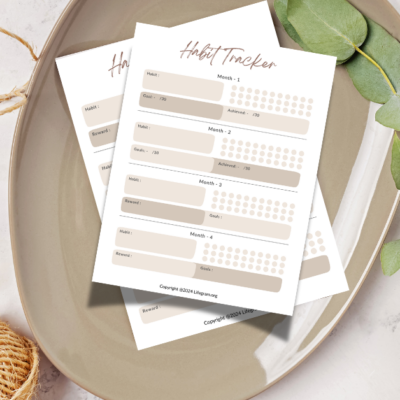 Create Any Habit with the Free Printable Habit Tracker
Original price was: $5.00.$0.00Current price is: $0.00.
-
 Daily Journal 2027: Your Year of Goals, Growth & Mindful Living
Original price was: $20.00.$1.99Current price is: $1.99.
-
 Organize Your Week: Download Weekly Planner Now!
Original price was: $5.00.$0.00Current price is: $0.00.